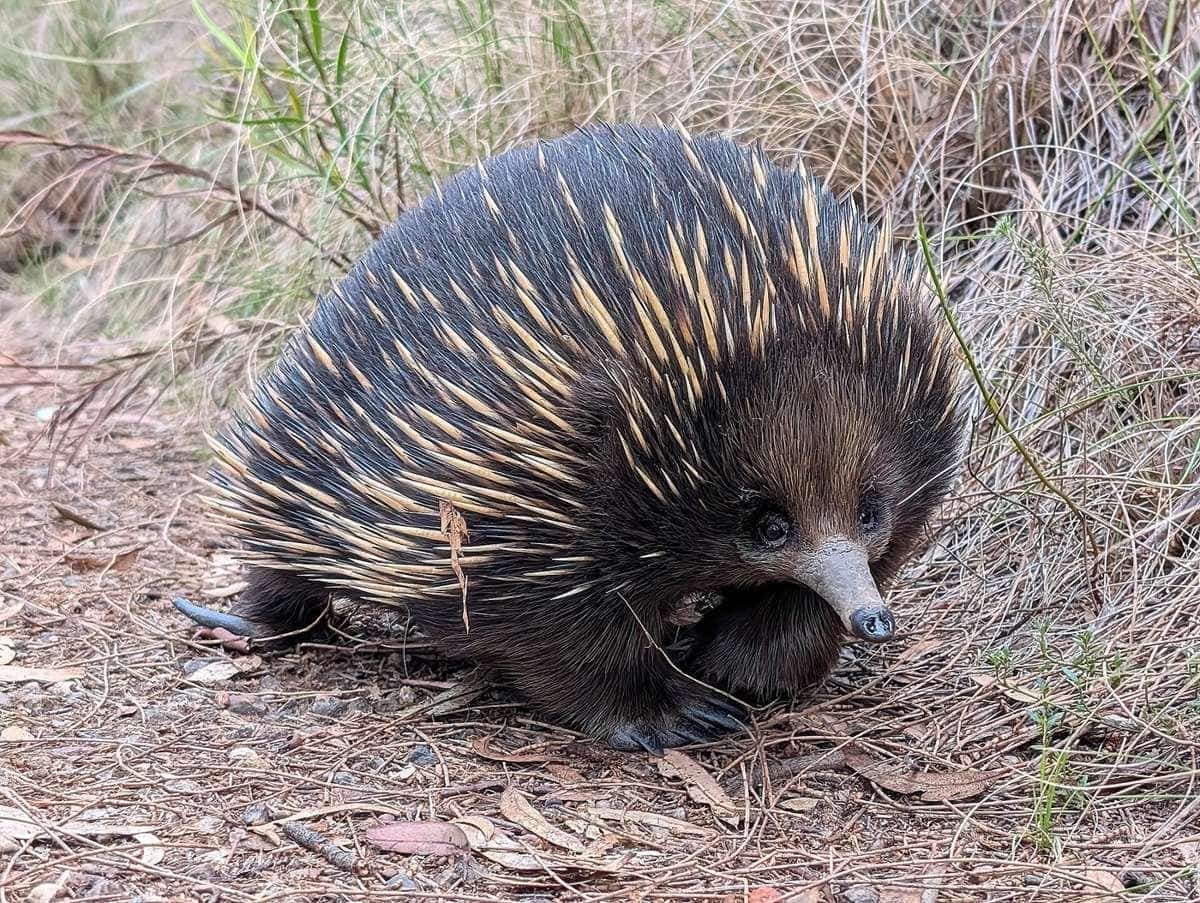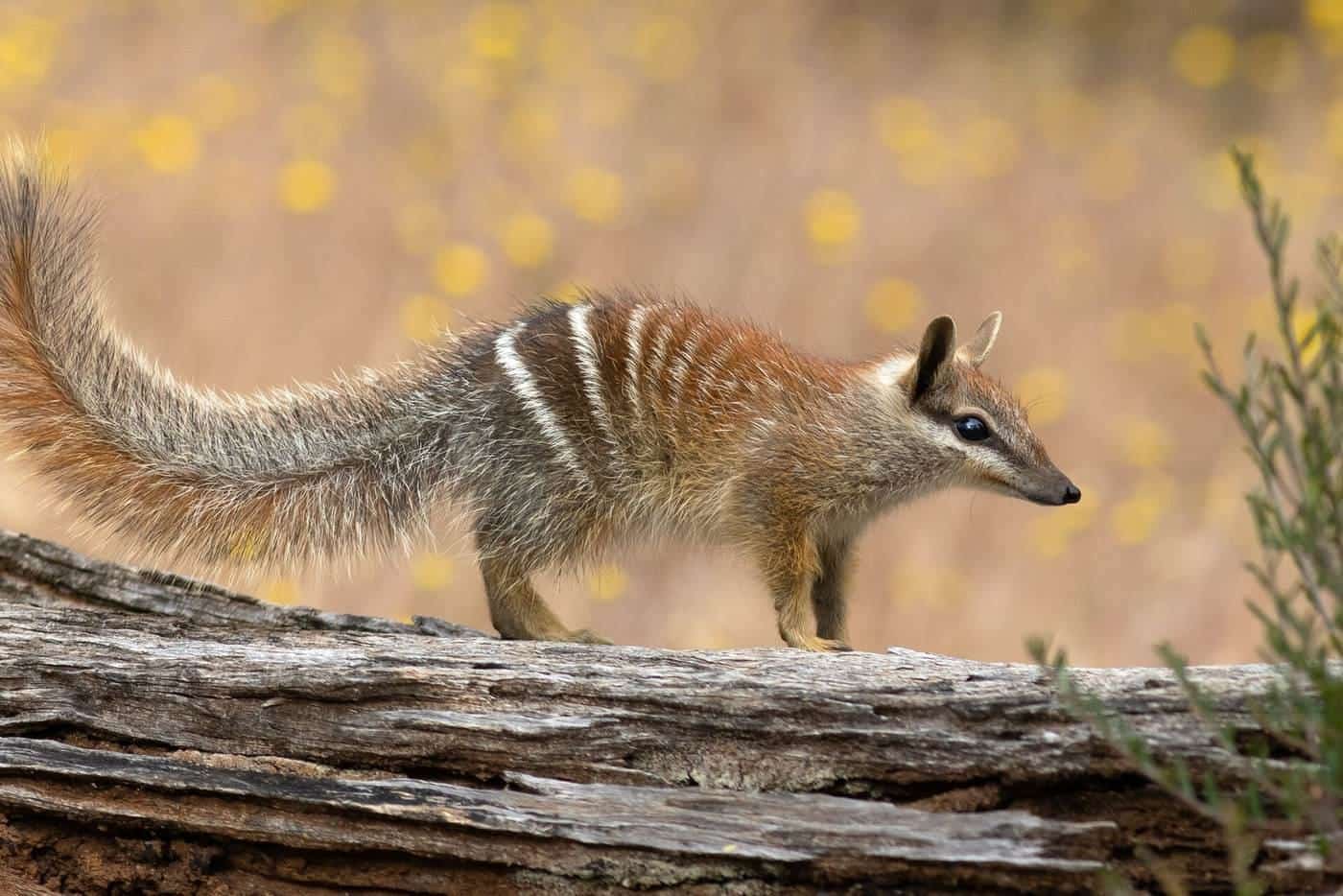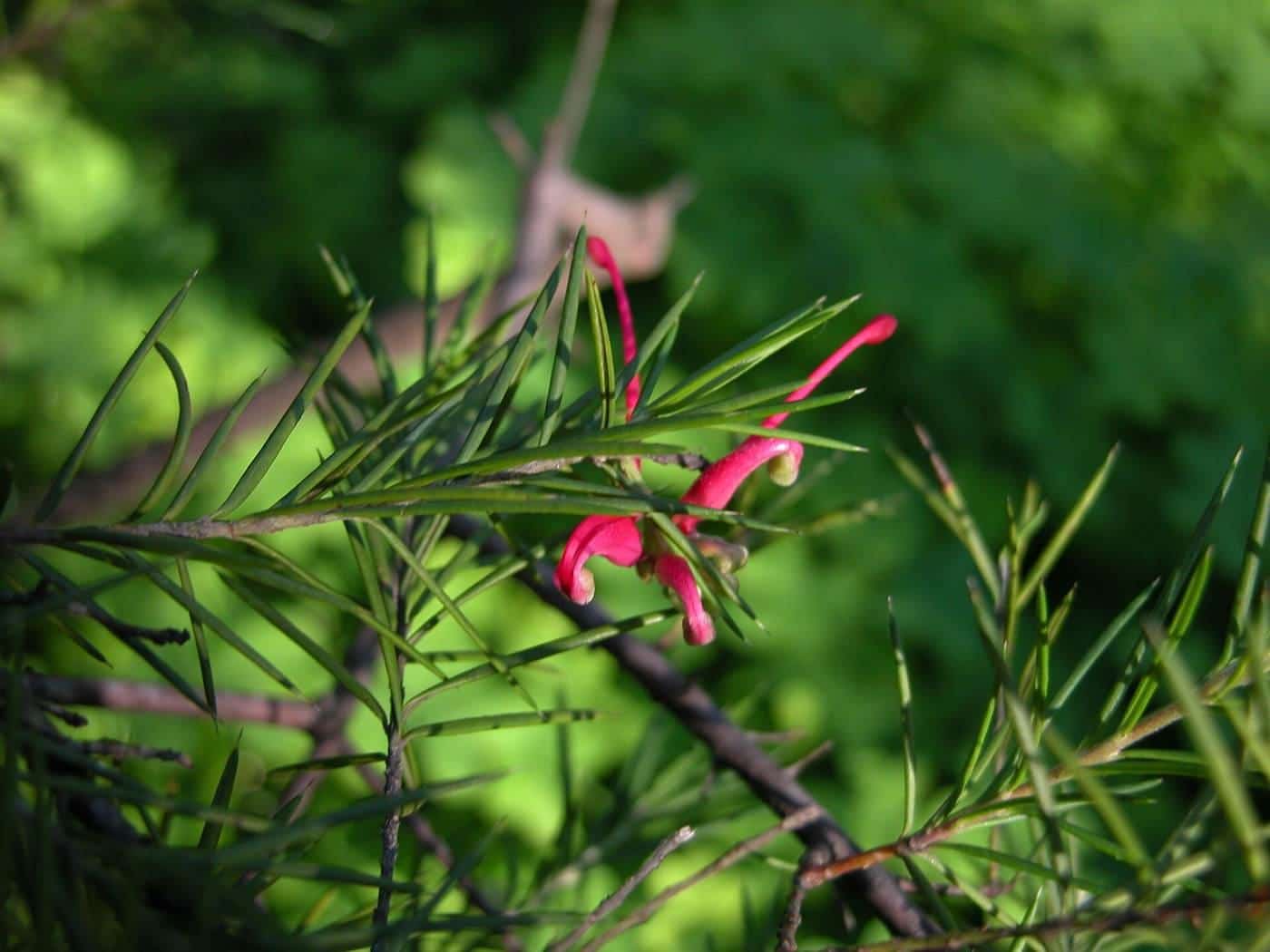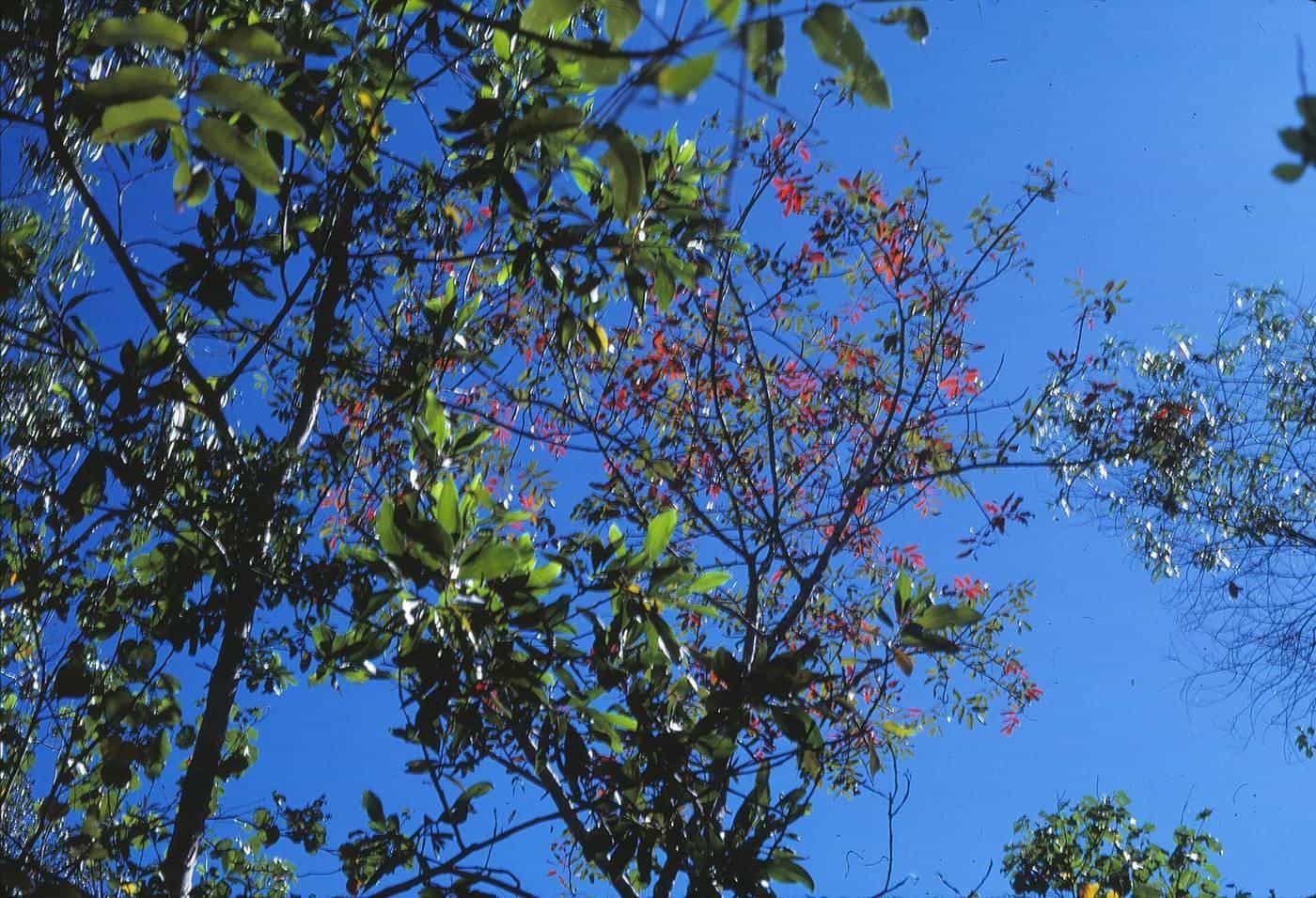
"Biodiversity" is short for biological diversity: the variety of life on Earth. It includes every plant, animal, fungus and microorganism, the genetic differences within each species, and the ecosystems they form together. Australia is one of the most biologically distinctive places on the planet, and much of its wildlife exists nowhere else. This guide explains what biodiversity means, why it matters and what makes Australia's so unusual.
This guide is general information written in our own words, based on the sources listed at the end. Rules about wildlife, pets and plants vary between states, territories and councils, so check locally. We don't recommend particular businesses or products.
Three levels of biodiversity
Scientists usually describe biodiversity at three levels:
- Genetic diversity: the variation in genes within a species. It's why no two koalas are identical, and it helps species adapt to disease and changing conditions.
- Species diversity: the number and variety of different species in a place, from eucalypts and orchids to beetles, frogs and whales.
- Ecosystem diversity: the variety of habitats and ecological communities, such as rainforests, deserts, mangroves, coral reefs, alpine herbfields and wetlands.
All three are connected. Healthy ecosystems support many species, and species with plenty of genetic variety are better able to survive change.
Australia's extraordinary variety
The Australia State of the Environment 2021 report says the continent and surrounding seas support an estimated 600,000 to 700,000 native species, and a very high proportion are found nowhere else. It gives examples: about 85% of Australia's plant species are endemic, and Australia is home to half of the world's marsupial species. It also notes that around 10% of the world's known reptile species live in Australia, about 90% of them endemic, and that around 93% of Australia's frog species are endemic.
Most species are still unknown
One of the most surprising facts in the 2021 report is how much is still undiscovered. Its best estimate is that around 70% of Australian species, roughly 400,000 plants, animals, fungi and other organisms, have yet to be discovered, documented and named. Many are insects, other invertebrates, fungi and microorganisms. That means everyday observations, such as photos uploaded to citizen science platforms, can genuinely add to knowledge. See our citizen science guide.
Why biodiversity matters
Biodiversity isn't only about rare or charismatic animals. Ecosystems provide services people depend on, including:
- pollination of crops and wild plants by bees, birds, bats and other animals;
- clean water filtered by wetlands, soils and vegetation;
- fertile soils built by fungi, worms and microorganisms;
- protection from erosion and storms by vegetation, dunes, mangroves and reefs;
- food, medicines, fibres and materials;
- cultural, spiritual and recreational value, including deep connections for Aboriginal and Torres Strait Islander peoples to Country.
Ecosystems with more species are often more resilient, because if one species declines, others may fill a similar role.
Biodiversity and Country
Aboriginal and Torres Strait Islander peoples have cared for Country for tens of thousands of years, and their knowledge of plants, animals, fire and seasons is deeply connected to Australia's biodiversity. Many conservation programs now work in partnership with Traditional Owners and Indigenous rangers. Learning about the Country you live on, and whose Traditional Owners care for it, is a good way to connect with local biodiversity.
Pressures on biodiversity
The 2021 report identifies major pressures on Australia's biodiversity, including habitat loss and fragmentation, invasive species, climate change, altered fire regimes, disease and pollution. Our guides to threatened species and invasive species explain these in more detail.
Biodiversity close to home
Biodiversity isn't only in national parks. Suburbs, farms, school grounds, roadsides, creeks and backyards all support wildlife. A native shrub on a balcony can feed bees; a garden with dense shrubs and water can shelter small birds; a pond can become home to frogs. Our at home guides explain how households can help.
Measuring biodiversity
Scientists track biodiversity through surveys, museum collections, satellite imagery, DNA sampling and records from the public. The Atlas of Living Australia brings together tens of millions of records of where species have been observed, drawing on museums, herbaria, government agencies and citizen scientists. You can search it to see which species have been recorded near you.
Why it's worth caring about
Australia's biodiversity is the product of millions of years of isolation and adaptation. Once a species is lost, it can't be brought back. Understanding what's around you is the first step to helping it. Our free habitat checker is a simple place to start.
A backyard example
Picture an ordinary suburban garden. A eucalypt hosts insects that feed small birds. Its flowers feed honeyeaters, bees and, at night, possums. Leaf litter beneath shelters skinks, beetles and fungi that break down the leaves and return nutrients to the soil. A shallow pond might host frogs, dragonfly larvae and water beetles. Each of those species depends on others, and the whole system depends on the soil, water and climate. That web of connections, repeated across every landscape, is biodiversity in action.
Common misunderstandings
Biodiversity isn't just a count of species. Two places with the same number of species can be very different if one has mostly weeds and introduced animals and the other has a full set of local natives. Nor is biodiversity only about rare species: common species often do most of the ecological work, such as pollinating, dispersing seeds and recycling nutrients. And biodiversity isn't fixed. Species move, populations rise and fall and ecosystems change over time, which is why ongoing monitoring matters.
Words you might see
Ecosystem: a community of living things interacting with each other and their environment. Habitat: the place where a species lives and finds food, shelter and breeding sites. Native species: one that occurs naturally in an area. Introduced species: one brought from elsewhere by people. Ecological community: a characteristic group of species occurring together, such as a particular woodland type.
Try the habitat checker
Our free habitat checker asks about eight simple features of your garden or balcony, such as local plants, water, dense shrubs, leaf litter and night lighting. It gives you a quick count and three practical next steps. It runs entirely in your browser, and nothing you tick is sent anywhere. It's a simple way to turn the ideas in this guide into action at home.
Where our information comes from
Factual statements in our guides are based on expert and official sources, including the Australia State of the Environment 2021 report and the Department of Climate Change, Energy, the Environment and Water; the Australian Museum, Western Australian Museum and Museums Victoria; wildlife rescue organisations such as WIRES; BirdLife Australia; and the Atlas of Living Australia. We link to each source at the end of the page and rewrite everything in our own words.
Local rules vary
Australia's states, territories and councils each have their own rules about native wildlife, pets, weeds, pest control and development. A practice that's fine in one area may need a permit, or be banned, in another. When a guide mentions rules, treat it as a prompt to check your own state environment agency and council website. If in doubt, ask them directly before acting.
Acknowledging Country
Australia's biodiversity has been cared for by Aboriginal and Torres Strait Islander peoples for tens of thousands of years. We acknowledge the Traditional Custodians of the lands and waters across Australia and pay our respects to Elders past and present. Many local councils and land councils share information about the Traditional Owners of your area, and some run programs connecting people with Country.
Learn with others
You don't have to learn alone. Field naturalist clubs, birding groups, Landcare and bushcare groups, frog societies and native plant societies run walks, talks and working bees across Australia. Libraries and museums often host free events. Joining a group is one of the fastest ways to learn identification skills and meet people who care about local wildlife.
Key points
- Biodiversity covers genes, species and ecosystems.
- Australia supports an estimated 600,000 to 700,000 native species, many found nowhere else.
- Around 70% of Australian species may still be undiscovered.
- Biodiversity underpins pollination, clean water, soils and much more.
Frequently asked questions
What does biodiversity mean?
The variety of all living things: the differences within species, between species and between ecosystems.
How many species live in Australia?
The State of the Environment 2021 report says Australia supports 600,000 to 700,000 native species, many not yet named.
Why does biodiversity matter?
Ecosystems provide clean water, pollination, fertile soils and much more, and biodiversity keeps them working.
Is biodiversity declining in Australia?
The 2021 report describes many species and ecosystems as under pressure from habitat loss, invasive species and climate change.
Sources and further reading
Facts on this page were checked against these primary and official sources. Conditions change — confirm before you travel or buy.
- Biodiversity: overview — Australia State of the Environment 2021
- Biodiversity: flora and fauna — Australia State of the Environment 2021
- Atlas of Living Australia — Atlas of Living Australia