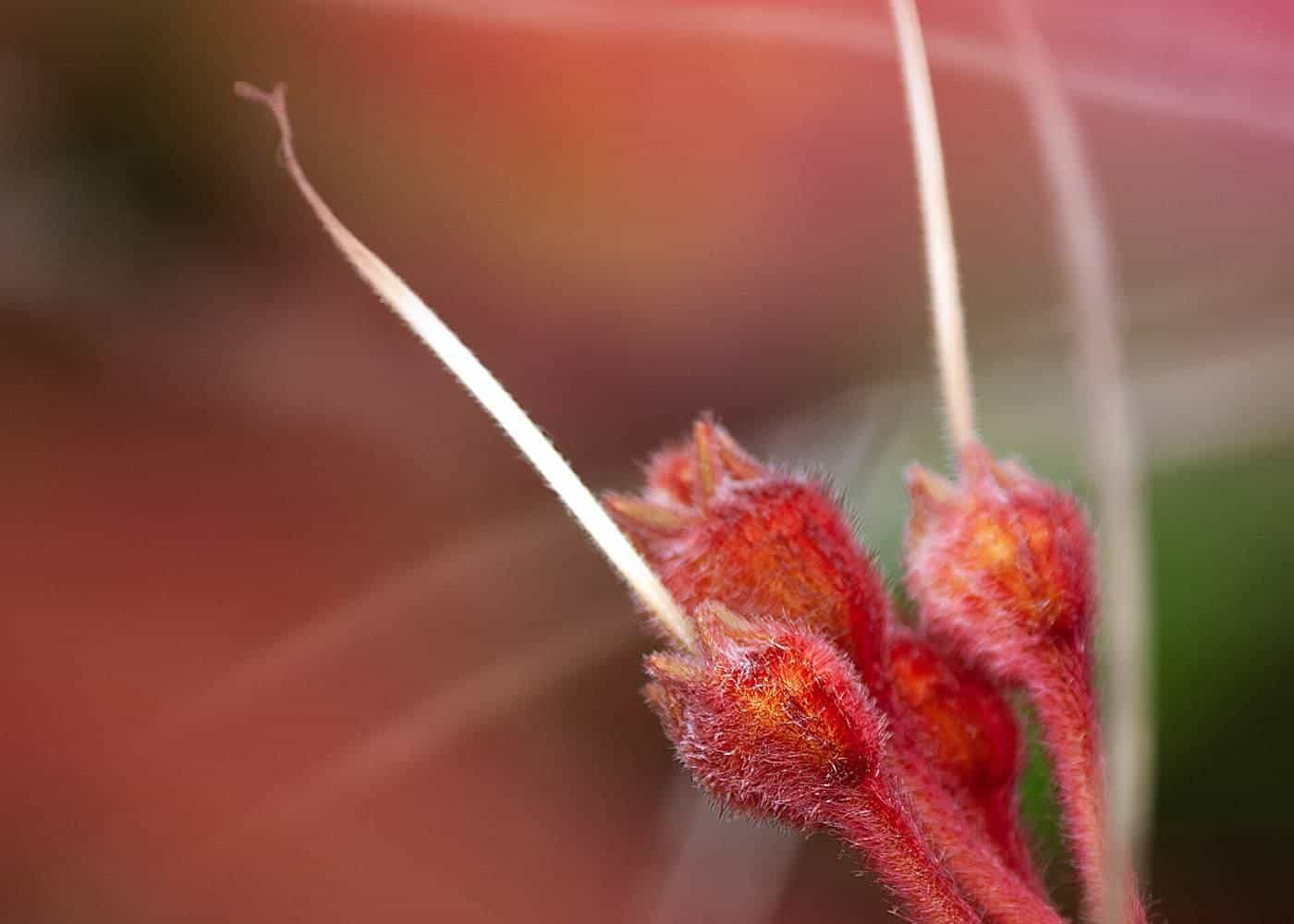
Gardens, courtyards, balconies and school grounds make up a big share of Australian towns and cities. Together, they can provide food, water and shelter for birds, bees, butterflies, lizards and frogs, and link parks and bushland into a network of habitat. These guides cover the practical steps households can take.
Guides in this section
- Wildlife-friendly gardens Layered planting, water, shelter and fewer chemicals.
- Native bees How to recognise native bees and give them flowers and nesting sites.
- Frogs and ponds Building and caring for a frog-friendly pond.
- Pets and wildlife Keeping cats and dogs wildlife-safe with containment, catios and good routines.
Why homes matter
Urban areas can be surprisingly rich in wildlife. Many suburbs host fairywrens, honeyeaters, skinks, possums, microbats and frogs, and some are home to threatened species. As bushland is cleared, gardens can offer stepping stones that help animals move and find resources. Every garden is a small piece of a larger landscape.
Start with local plants
Local native plants are adapted to your soils and climate and support the insects and animals that evolved with them. Your council, Landcare group or an indigenous plant nursery can suggest suitable species. Plant in layers, from trees to groundcovers, and choose plants that flower in different seasons.
Native bees need more than flowers
The Australian Museum says Australia has more than 1,500 native bee species, and other museums put the figure at around 2,000. Most are solitary and nest in soil, stems or wood. Leaving patches of bare soil, keeping some hollow stems and avoiding pesticides on flowering plants can help them.
Water and frogs
A shallow bird bath or a small pond can attract wildlife, especially in hot weather. Frog ponds need shallow edges, plants and no fish. Never move frogs or tadpoles from elsewhere; let them find your pond. The Australian Museum's FrogID app helps you identify calls.
Pets
The federal environment department says feral cats kill over 1.5 billion native vertebrates each year, and the 2024 national threat abatement plan for feral cats says pet cats kill over 320 million native vertebrates each year. Keeping cats contained, with enrichment indoors or a catio, protects wildlife and cats alike. Keep dogs on leads in bushland where required.
Light and chemicals
Bright outdoor lights can disrupt nocturnal wildlife; choose warm, shielded lights on sensors or timers. Minimise pesticides, herbicides and snail baits, which can harm insects, frogs, lizards and the birds that eat them.
Renters and apartments
You don't need to own a home to help. Pots of flowering natives, a water dish on a balcony, warmer globes and a contained cat all count. Community gardens and local parks offer more opportunities.
Measuring progress
Recording the birds, bees and frogs that visit, perhaps with a citizen science app, is a satisfying way to see your efforts pay off over time.
A simple plan for your first season
Start by noticing what already visits your garden for a few weeks. Next, add one or two local native shrubs that flower at different times, plus a shallow water dish placed near cover. Leave a corner with leaf litter and a log. Swap a bright outdoor light for a warm, shielded globe on a sensor. If you have a cat, begin with night-time containment. Then keep watching and recording visitors. Most gardens change noticeably within a year or two.
Common mistakes to avoid
Feeding wild birds bread or mince, planting environmental weeds, using snail baits, putting bird baths where cats can ambush, moving frogs or tadpoles and leaving fruit tree netting loose are common, well-meant mistakes. Our guides explain safer alternatives for each.
Questions we hear often
People often ask whether one household can really make a difference, whether native plants are always better than exotic ones, and whether it's safe to help wildlife themselves. In short: yes, small actions add up across a suburb; local natives generally support local wildlife best, though not every exotic plant is harmful; and with wildlife, your own safety and a call to a trained rescuer come first. Each guide in this section goes into more detail, with links to the official and expert sources behind it, so you can read further and check the facts for yourself.
Five things anyone can do
- Plant local natives in layers, with flowers across the year.
- Add clean, shallow water and leave some leaf litter and logs.
- Keep cats contained and dogs supervised, especially at night.
- Use warm, shielded outdoor lights only where and when you need them.
- Record what you see with citizen science apps such as iNaturalist and FrogID.
About these guides
Biodiversity is an independent information site about Australian wildlife, plants and habitats, and what households can do to help them. We aren't a government agency, museum, charity or rescue organisation, and we don't recommend particular businesses or products. Our guides are general information written in our own words, with expert and official sources listed on every page. Rules about wildlife, pets and plants vary between states, territories and councils, so always check locally.
How we keep these guides current
We review each guide against its sources and show the date it was last checked. Official figures, such as threatened species lists, are updated over time. If you notice something out of date, please tell us through our contact page, and we'll check and correct it.
Try the habitat checker
Our free habitat checker asks about eight simple features of your garden or balcony and suggests three next steps. It runs entirely in your browser, and nothing you tick is sent anywhere.
Guides in this section
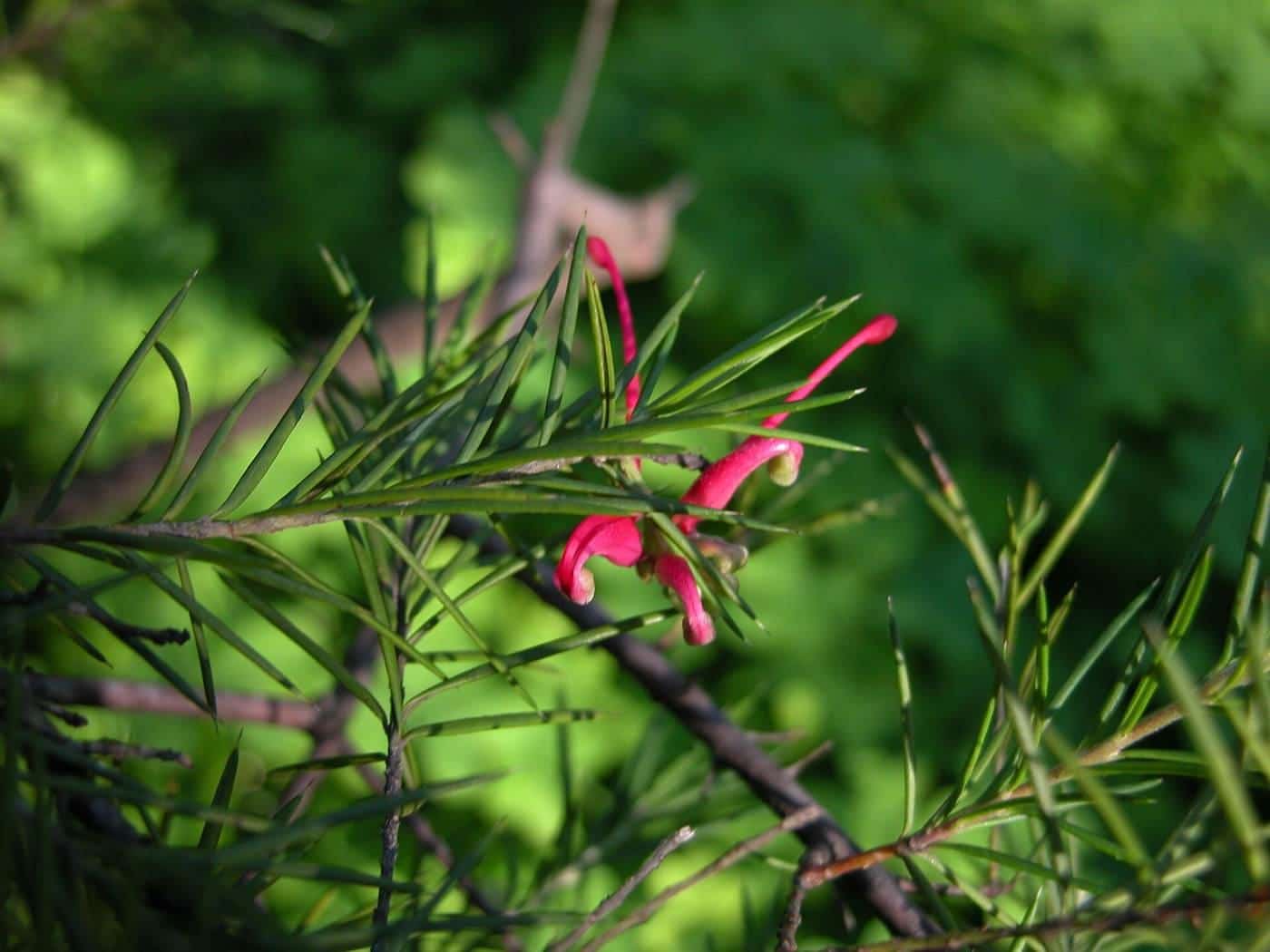
At home
Wildlife-friendly gardens
How to make a garden, courtyard or balcony more welcoming to native birds, bees, frogs and lizards with layered planting, water and shelter.
Read · 6 min
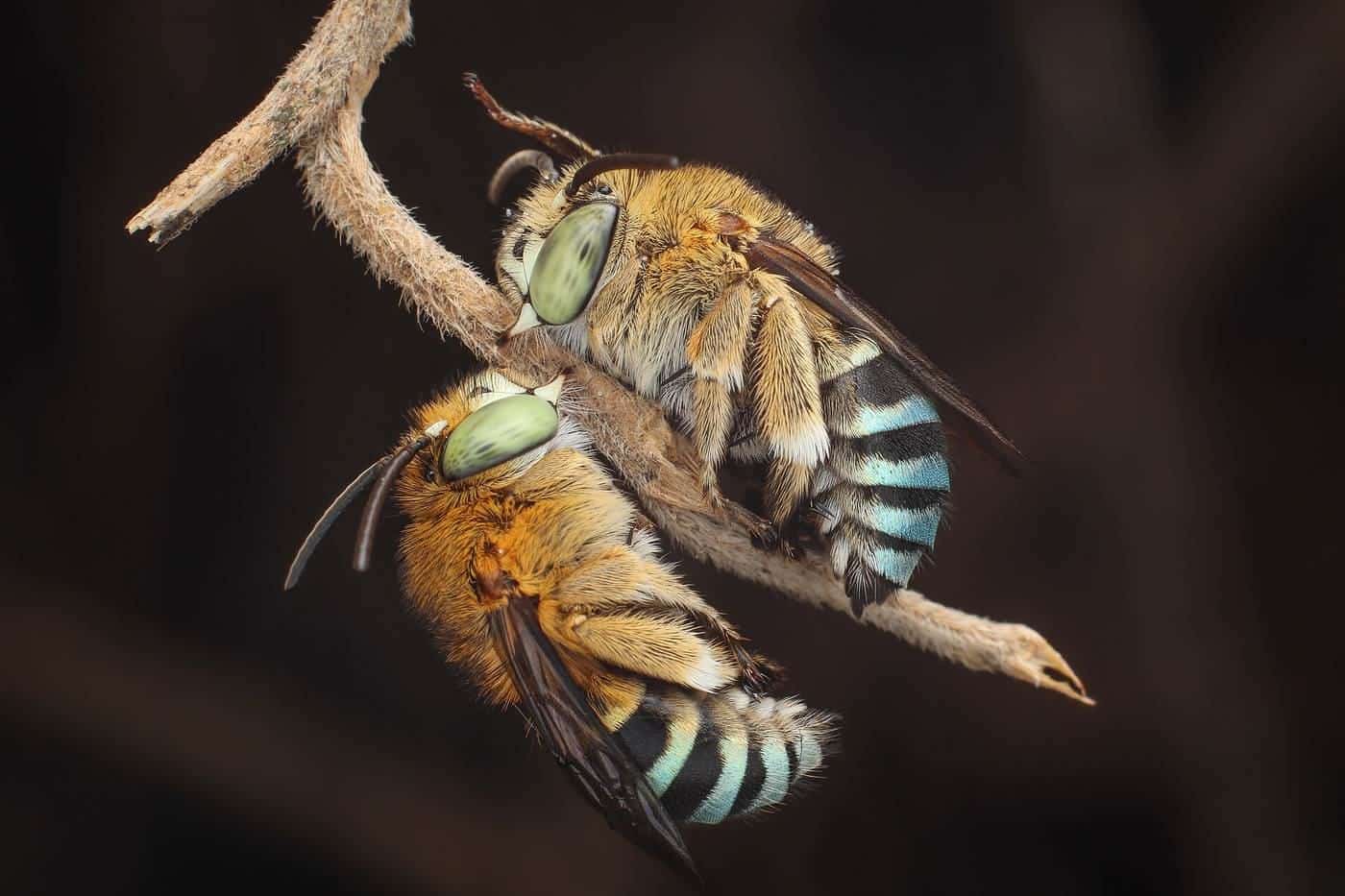
At home
Native bees
A guide to Australian native bees: how many species there are, stingless and solitary bees, bee hotels and the plants that help them.
Read · 6 min
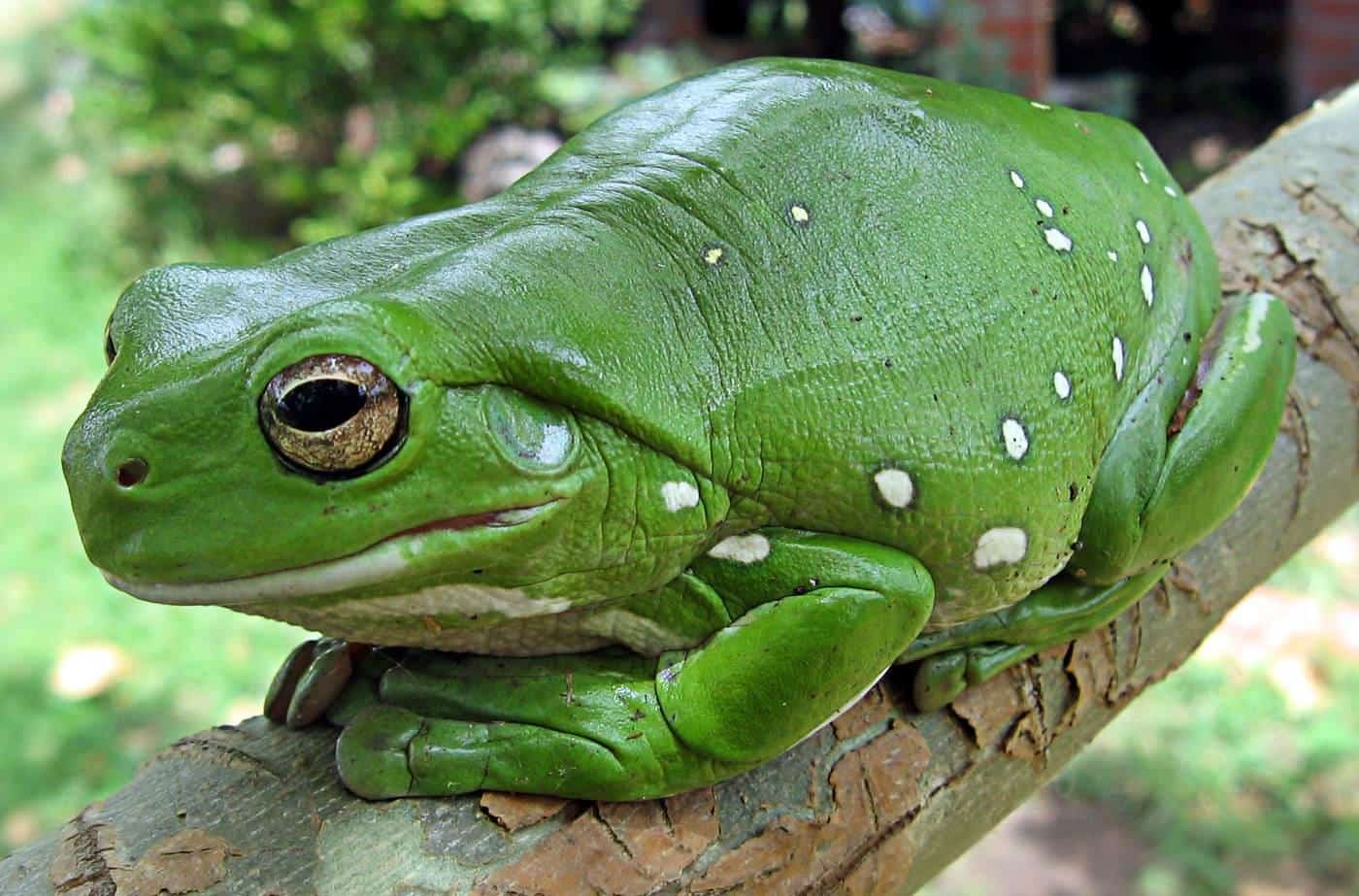
At home
Frogs and ponds
How to build a frog-friendly pond and garden in Australia: shallow edges, plants, no fish, chemical-free care and recording frog calls with FrogID.
Read · 6 min
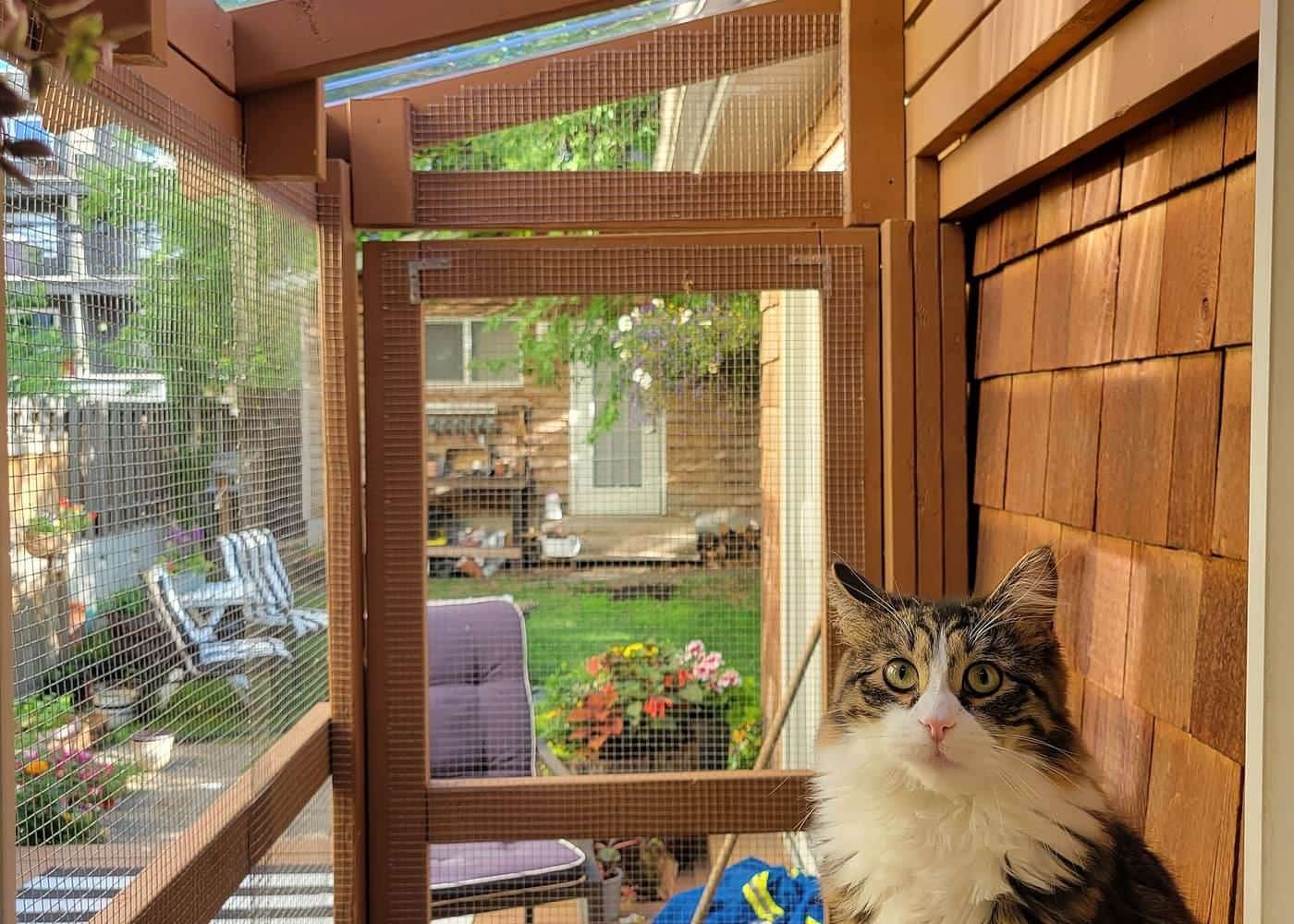
At home
Pets and wildlife
How pet cats and dogs affect native wildlife, and practical steps to keep both safe: containment, catios, night routines and leads in bushland.
Read · 6 min
Frequently asked questions
Do I need a big garden to help wildlife?
No. Balconies and courtyards can support bees and birds with pots of flowering natives and water.
What's the single most helpful step?
Many experts point to keeping cats contained, along with planting local natives.
How do I attract native bees?
Grow varied flowering plants across the year and leave bare soil and hollow stems for nesting.
Can I move frogs into my pond?
No. Let frogs find your pond; moving frogs or tadpoles can spread disease.
Sources and further reading
Facts on this page were checked against these primary and official sources. Conditions change — confirm before you travel or buy.
- Atlas of Living Australia — Atlas of Living Australia
- Bees: suborder Apocrita — Australian Museum
- How to use FrogID — FrogID, Australian Museum
- Feral cats — Department of Climate Change, Energy, the Environment and Water