Since European settlement, thousands of plants, animals and microorganisms have been brought to Australia, deliberately or by accident. Most are harmless or useful, but some have become invasive, spreading through the landscape and harming native species and ecosystems. The Australia State of the Environment 2021 report identifies invasive species as one of the major pressures on Australian biodiversity. This guide explains the main types and what households can do.
This guide is general information written in our own words, based on the sources listed at the end. Rules about wildlife, pets and plants vary between states, territories and councils, so check locally. We don't recommend particular businesses or products.
What makes a species invasive
An invasive species is one that's been introduced outside its natural range, establishes itself and spreads, causing harm. Not every introduced species becomes invasive; those that do often breed quickly, tolerate many conditions and face few natural predators or diseases in their new home.
Introduced predators
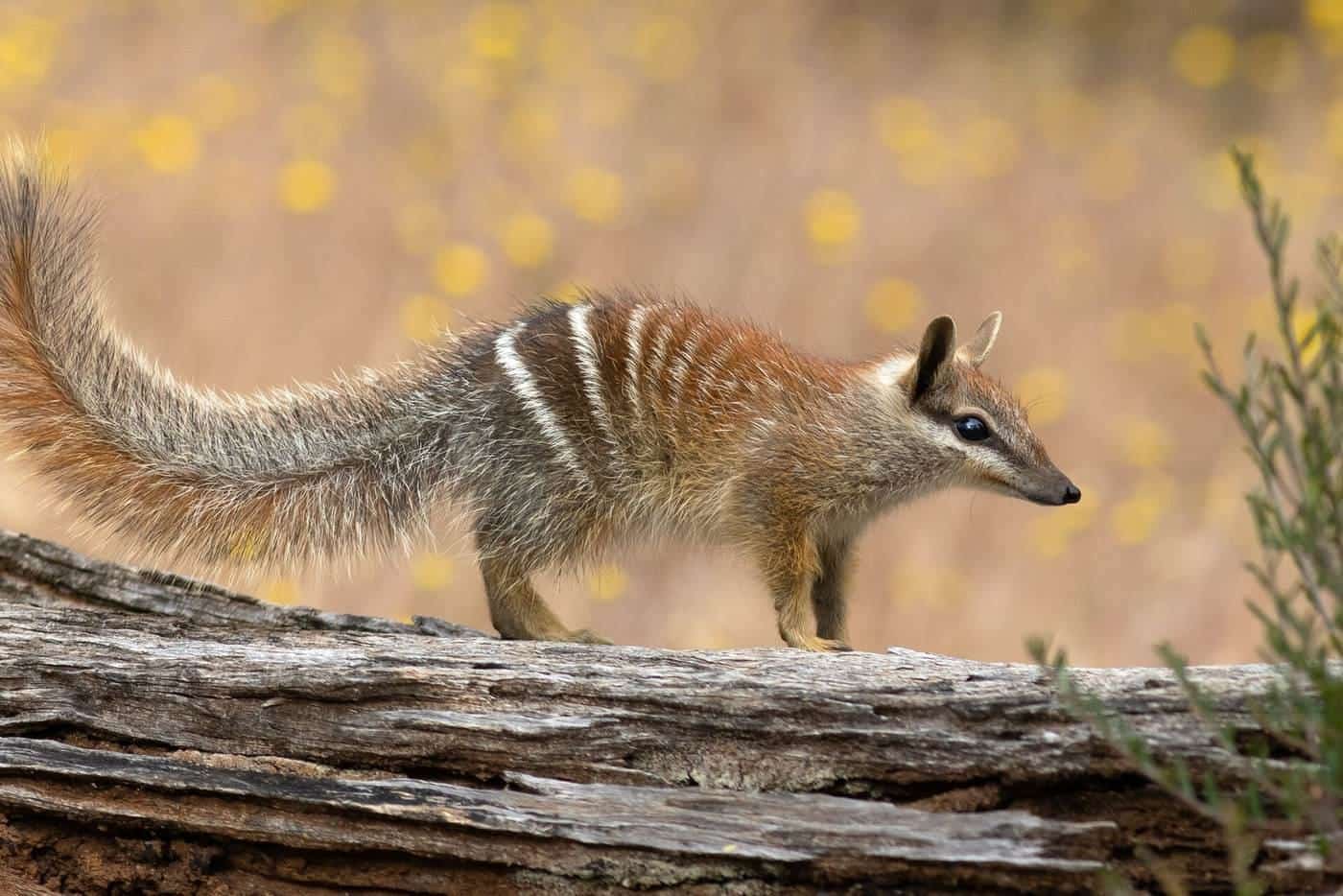
Introduced predators have had a devastating impact on Australian wildlife, particularly small and medium-sized mammals and ground-nesting birds. The State of the Environment 2021 report says most Australian mammal extinctions have been driven by introduced species, especially feral cats and the European red fox.
The Department of Climate Change, Energy, the Environment and Water explains that feral cats kill over 1.5 billion native mammals, birds, reptiles and frogs, and 1.1 billion invertebrates, each year. It says cat predation is a recognised threat to over 200 nationally threatened species and has contributed to the extinction of more than 20 mammal species.
Introduced herbivores
Rabbits, goats, deer, pigs, horses, camels and other introduced herbivores can strip vegetation, damage soils and waterways, and compete with native animals for food and shelter. Rabbits, for example, can prevent regeneration by eating seedlings.
Cane toads
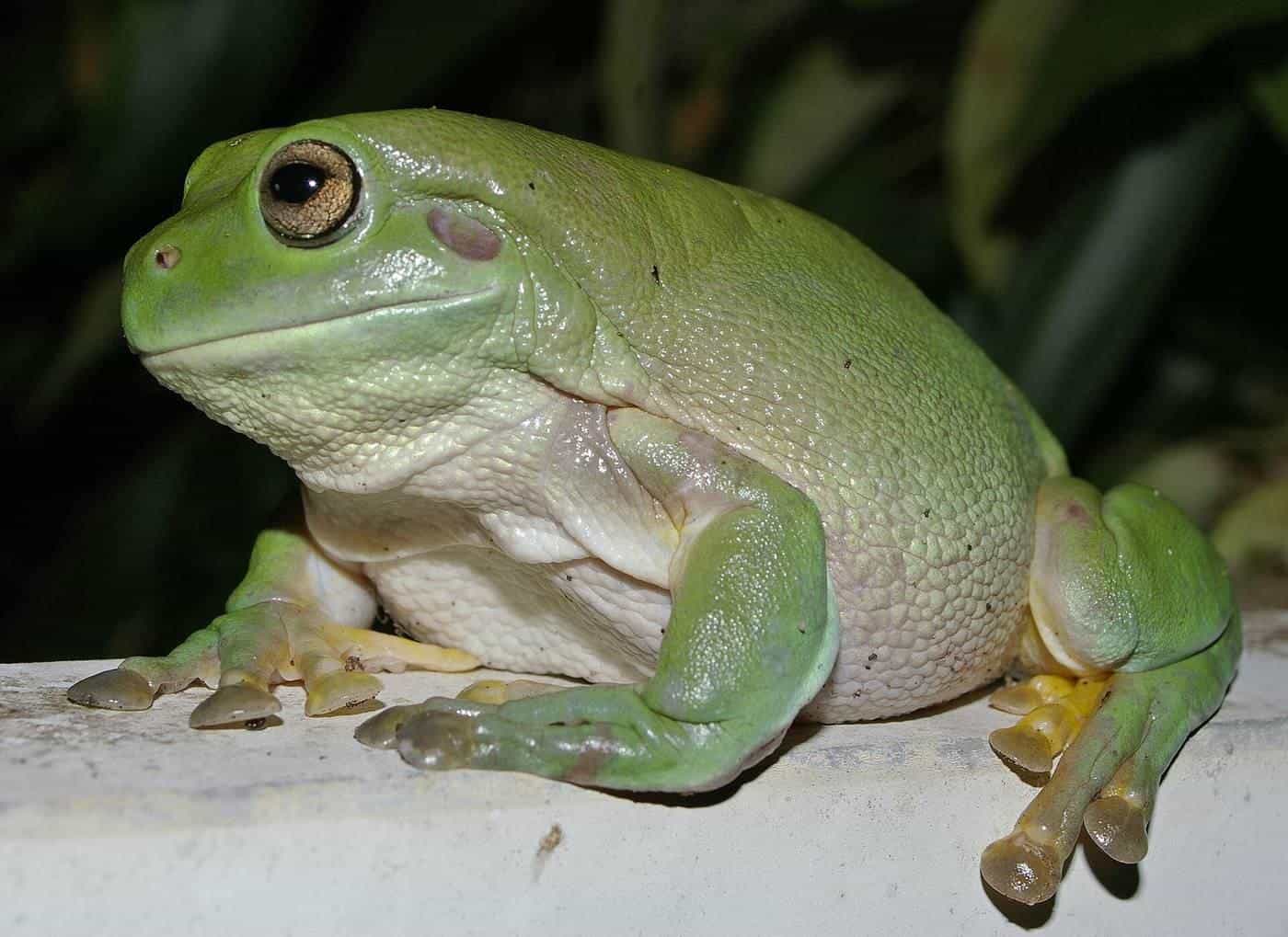
Cane toads were introduced to Queensland in the 1930s and have spread across northern Australia. They're toxic at all life stages, and native predators that eat them can die. If you think you've found a cane toad, identify it carefully before acting: several native frogs are mistaken for cane toads. Check your state's guidance on humane management.
Environmental weeds
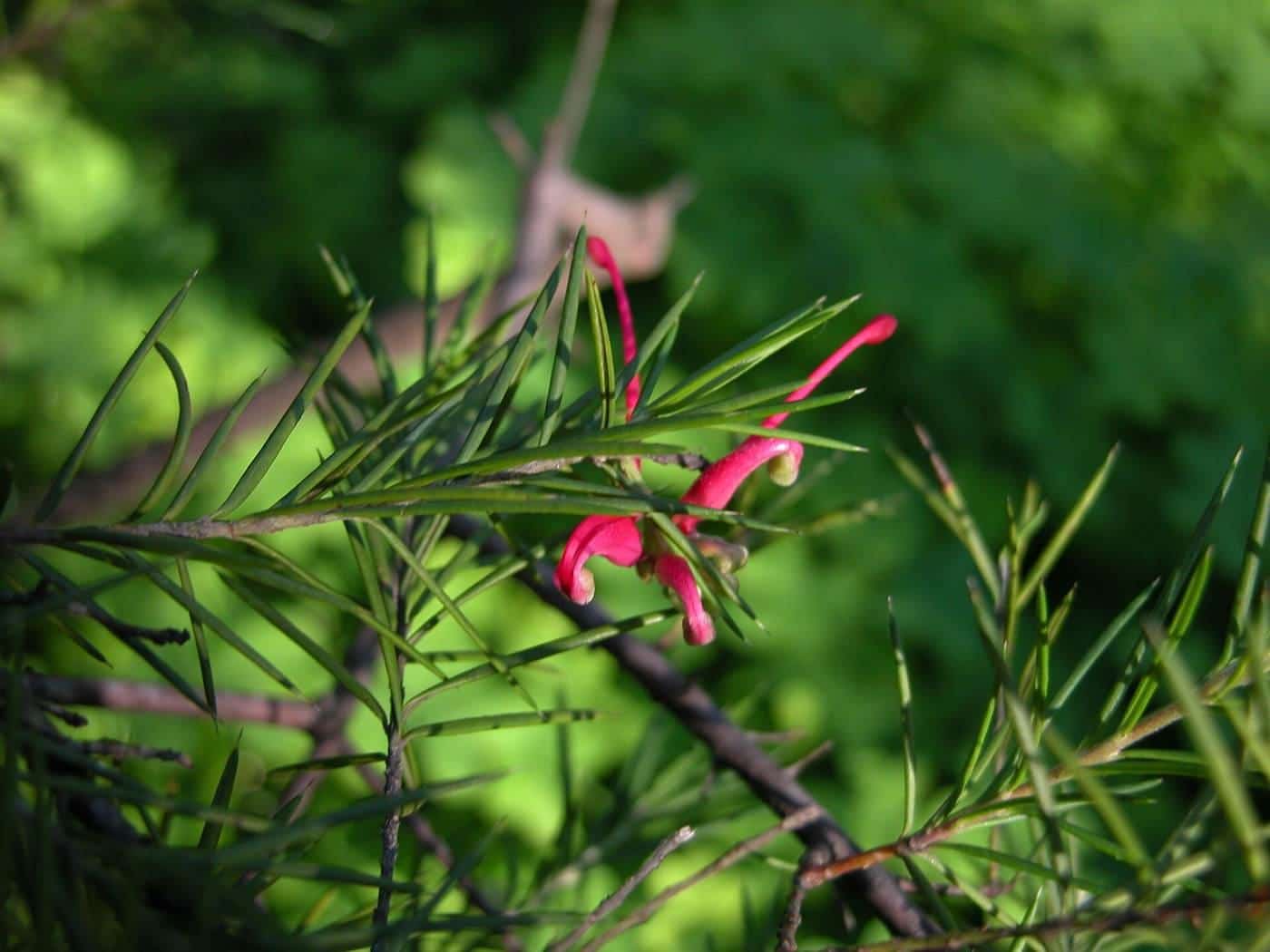
Weeds are plants growing where they cause harm. Many environmental weeds, such as lantana, asparagus fern, privet and some ornamental vines, started as garden plants. They can smother bushland, change fire behaviour and replace the native plants that wildlife depends on. Seeds spread on wind, in water, on animals and in dumped garden waste.
Diseases and pathogens
Diseases can also be invasive. Chytrid fungus, for example, has been linked to serious frog declines in parts of eastern Australia. Plant pathogens such as Phytophthora (root rot) and myrtle rust affect many native plants. Cleaning shoes and equipment between sites helps reduce spread.
Invasive insects and marine pests
Introduced insects, such as some ants and wasps, can disrupt ecosystems and harm native wildlife. Marine pests can arrive on ships' hulls or in ballast water and compete with native species.
What households can do
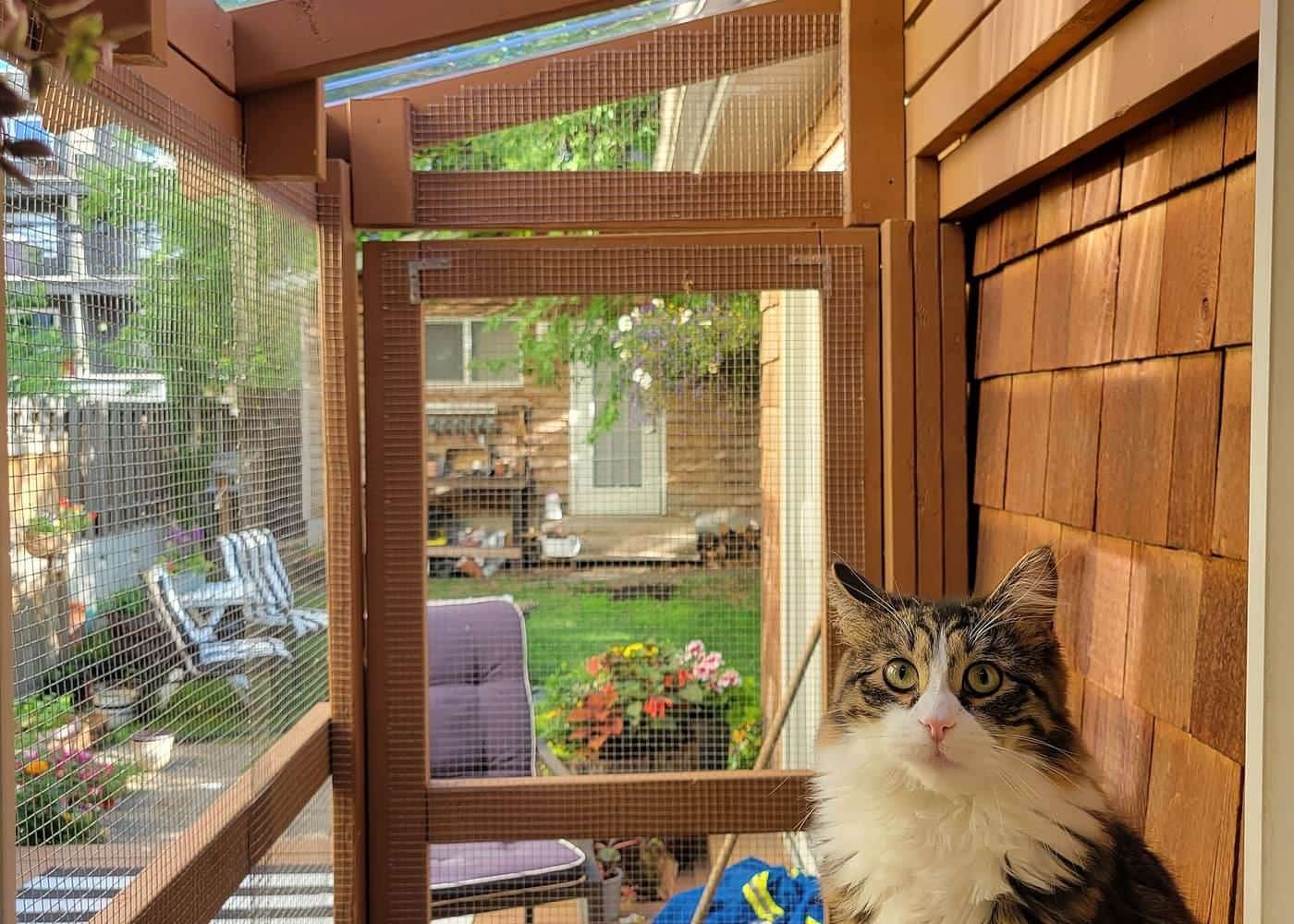
- Keep cats contained. Indoors or in an enclosure, especially at night. See our pets and wildlife guide.
- Choose plants wisely. Avoid plants listed as weeds in your area and choose local natives where possible. See our wildlife-friendly gardens guide.
- Dispose of garden waste properly. Never dump cuttings in bushland or waterways.
- Never release pets. Unwanted fish, turtles, birds and reptiles shouldn't be released into the wild. Rehome them responsibly.
- Clean your gear. Clean boots, bikes and camping gear between sites to avoid spreading seeds and pathogens.
- Report new pests. If you see an unusual animal or plant, report it to your state biosecurity agency.
- Join local efforts. Bushcare and Landcare groups often remove weeds and restore habitat.
Humane and legal control
Pest control is regulated, and methods must be humane and legal. Rules vary between states and councils. Don't attempt to trap, poison or kill animals without checking local rules and guidance; native animals are protected, and some lookalike species are native.
The big picture
Controlling invasive species across Australia is a huge task involving governments, scientists, Traditional Owners, farmers and communities. Predator-proof fenced areas and islands have helped some threatened mammals, and long-term control programs continue. Household actions are small but add up, especially around towns, where pet cats and garden escapes have the most local impact.
Prevention is cheapest
Once an invasive species is widespread, controlling it is expensive and often impossible to complete. That's why preventing new arrivals, and detecting them early, is so important. Biosecurity rules at borders and between states aim to stop new pests and diseases arriving. Reporting unusual plants and animals early gives authorities the best chance of eradication.
Native species out of place
Sometimes native Australian species become problems outside their natural range. Some plants native to one part of Australia have become weeds in another, and some animals have spread into new areas with help from people. When choosing plants, "local native" is a safer choice than simply "Australian native".
Weeds in your garden
Your council website likely has a list of priority or declared weeds for your area, often with photos and suggested replacement plants. Some councils run free weed identification services or garden programs. Swapping a weedy plant for a local native helps both your garden wildlife and nearby bushland.
Try the habitat checker
Our free habitat checker asks about eight simple features of your garden or balcony, such as local plants, water, dense shrubs, leaf litter and night lighting. It gives you a quick count and three practical next steps. It runs entirely in your browser, and nothing you tick is sent anywhere. It's a simple way to turn the ideas in this guide into action at home.
Where our information comes from
Factual statements in our guides are based on expert and official sources, including the Australia State of the Environment 2021 report and the Department of Climate Change, Energy, the Environment and Water; the Australian Museum, Western Australian Museum and Museums Victoria; wildlife rescue organisations such as WIRES; BirdLife Australia; and the Atlas of Living Australia. We link to each source at the end of the page and rewrite everything in our own words.
Local rules vary
Australia's states, territories and councils each have their own rules about native wildlife, pets, weeds, pest control and development. A practice that's fine in one area may need a permit, or be banned, in another. When a guide mentions rules, treat it as a prompt to check your own state environment agency and council website. If in doubt, ask them directly before acting.
Acknowledging Country
Australia's biodiversity has been cared for by Aboriginal and Torres Strait Islander peoples for tens of thousands of years. We acknowledge the Traditional Custodians of the lands and waters across Australia and pay our respects to Elders past and present. Many local councils and land councils share information about the Traditional Owners of your area, and some run programs connecting people with Country.
Learn with others
You don't have to learn alone. Field naturalist clubs, birding groups, Landcare and bushcare groups, frog societies and native plant societies run walks, talks and working bees across Australia. Libraries and museums often host free events. Joining a group is one of the fastest ways to learn identification skills and meet people who care about local wildlife.
Small spaces still count
Not everyone has a garden. Renters and apartment dwellers can still help with pots of flowering natives, a shallow water dish on a balcony, warmer outdoor lights and a contained cat. Community gardens, school grounds and local parks offer further chances to plant habitat and record wildlife. Every patch of habitat, however small, adds to the network.
Key points
- Invasive species are introduced species that spread and cause harm.
- DCCEEW says feral cats kill over 1.5 billion native vertebrates a year.
- Many environmental weeds started as garden plants.
- Keep cats contained, choose plants wisely and never release pets.
Frequently asked questions
What is an invasive species?
A species introduced to an area where it isn't native, which spreads and causes harm to the environment, economy or health.
How many animals do feral cats kill?
DCCEEW says feral cats kill over 1.5 billion native mammals, birds, reptiles and frogs, and 1.1 billion invertebrates, each year.
Can garden plants become weeds?
Yes. Many environmental weeds started as garden plants. Check your council's weed list.
What should I do if I see a pest animal?
Report it to your state biosecurity or environment agency, especially if it's new to your area.
Sources and further reading
Facts on this page were checked against these primary and official sources. Conditions change — confirm before you travel or buy.
- Feral cats — Department of Climate Change, Energy, the Environment and Water
- Biodiversity: overview — Australia State of the Environment 2021
- Biodiversity: flora and fauna — Australia State of the Environment 2021