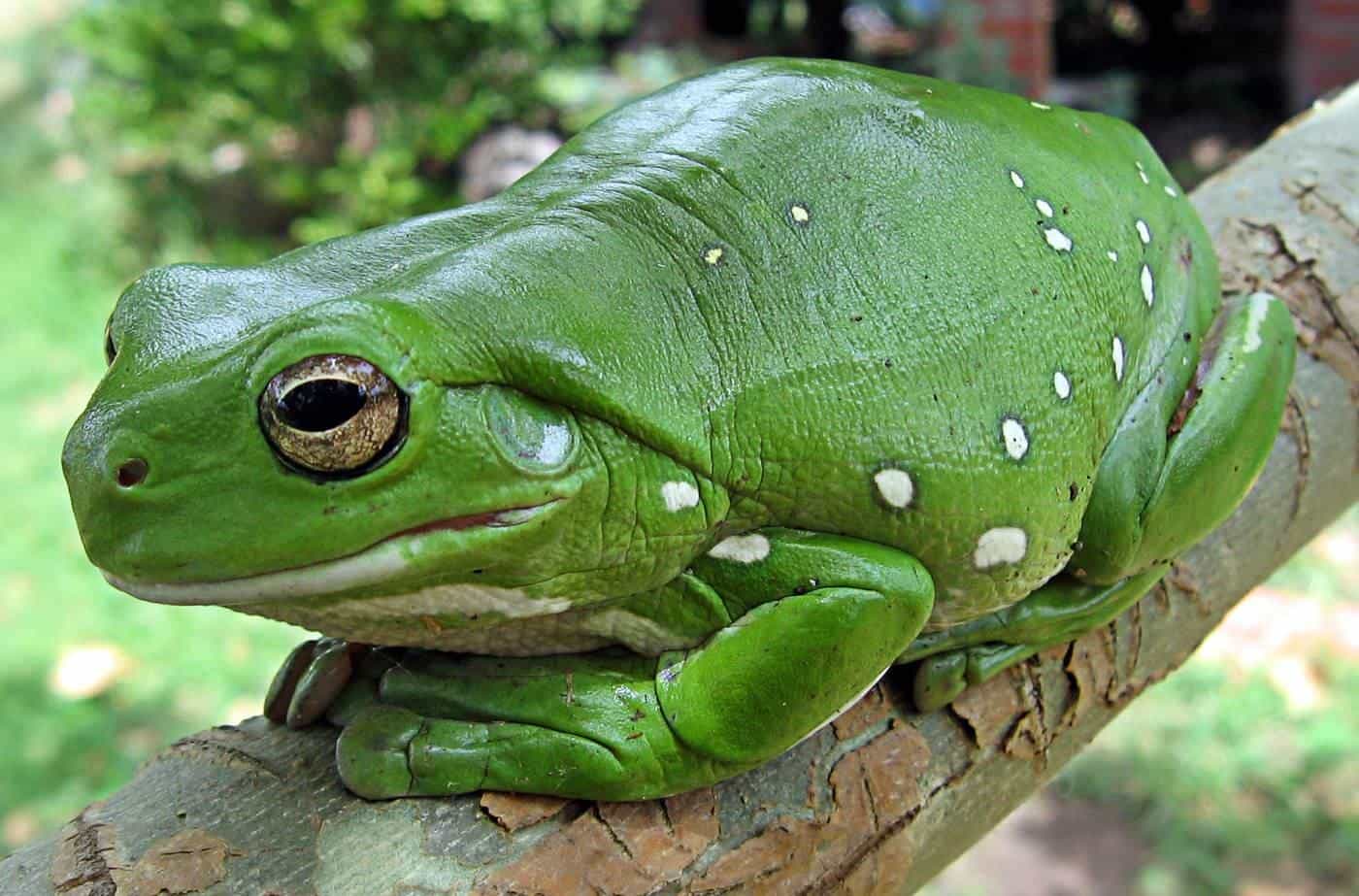
Few garden sounds are as satisfying as frogs calling after rain. Australia's frogs are remarkable: the State of the Environment 2021 report notes around 243 native species, about 93% found nowhere else. It also notes that 18.5% of frog species are extinct or threatened. A garden pond can give local frogs somewhere to breed and shelter. This guide covers how to build one.
This guide is general information written in our own words, based on the sources listed at the end. Rules about wildlife, pets and plants vary between states, territories and councils, so check locally. We don't recommend particular businesses or products.
Let frogs come to you
The most important rule: don't collect frogs or tadpoles from elsewhere. Moving frogs can spread disease, including chytrid fungus, and may introduce species that don't belong in your area. In many places, collecting or keeping native frogs requires a licence. If frogs live nearby, they'll often find a new pond within a season or two.
Choose the right spot
- Partly shaded, so the water doesn't overheat and algae doesn't take over.
- Away from overhanging deciduous trees, which drop leaves that foul the water.
- Close to dense plants and damp shelter, so frogs can move safely.
- Somewhere you can see and hear it, so you can enjoy it.
Build with shallow edges
Frogs need to get in and out easily. Slope the sides gently, or add rocks and logs as ramps. Include a shallow area for tadpoles and deeper areas that stay cool. A pre-formed pond, a flexible liner or even a large repurposed container can work. If using a container, add a ramp so animals can climb out.
Plants
Plant the pond with a mix of:
- Submerged plants, which add oxygen and shelter for tadpoles;
- Emergent plants such as rushes and sedges, which frogs can climb and hide in;
- Floating plants, which provide shade (avoid invasive species);
- Dense groundcovers and shrubs around the edges.
Choose local native plants, and never plant species listed as aquatic weeds.
No fish
Fish usually eat tadpoles and frog eggs. If you want frogs, keep fish out of your frog pond. Never release fish into waterways.
Water quality
- Use rainwater where possible; if using tap water, let it stand before adding.
- Don't use chemicals, fertilisers or pesticides near the pond.
- Remove excess algae and leaves gently by hand.
- Top up in dry periods.
Shelter around the pond
Frogs spend much of their time out of water. Leaf litter, logs, rocks and dense plants keep them cool, damp and hidden. Some frogs shelter in pots, pipes or crevices.
Pets and safety
Cats and dogs can disturb or harm frogs. Keep cats contained, especially at night. For child safety, follow local pool and pond fencing rules; a pond can be a drowning hazard for young children. Check your council's requirements before building.
Cane toads
In areas where cane toads occur, they may use ponds. Identify carefully before acting: native frogs, including some burrowing frogs, are often mistaken for toads. Follow your state's guidance on humane management.
Record your frogs
The Australian Museum's FrogID app lets you record frog calls with your phone. Record for at least 20 seconds, and experts identify the species. Every recording adds to a national picture of where frogs live and how they're faring. See our citizen science guide.
Sick frogs
If you find sick or dead frogs, avoid handling them with bare hands and check guidance from your state environment agency or local museum. Unusual frog deaths may be reported for disease monitoring.
Be patient
It may take time for frogs to arrive and for the pond to settle. Once it does, you may hear different species calling at different times of year, and see tadpoles develop into froglets.
Frog-friendly garden beyond the pond
Frogs need more than water. Damp, shady areas with dense groundcovers, leaf litter, logs and rocks provide shelter, and insects in your garden provide food. Avoid using slug and snail pellets and other chemicals that frogs might encounter. Outdoor lights attract insects, which can draw frogs, but bright lights also disrupt nocturnal animals, so keep lighting warm and minimal.
Tadpole development
Tadpoles take different amounts of time to develop, depending on the species and water temperature. They feed on algae and organic matter, and later develop legs and absorb their tails before leaving the water as small froglets. Make sure there are plants and ramps so froglets can climb out. Don't feed tadpoles unless you know what's appropriate; a well-planted pond usually provides enough food.
Frog calls through the year
Different frogs call at different times of year and in different weather. Many call after rain, and some call in cooler months. Listening regularly, and recording calls with FrogID, can reveal which species share your neighbourhood.
Try the habitat checker
Our free habitat checker asks about eight simple features of your garden or balcony, such as local plants, water, dense shrubs, leaf litter and night lighting. It gives you a quick count and three practical next steps. It runs entirely in your browser, and nothing you tick is sent anywhere. It's a simple way to turn the ideas in this guide into action at home.
Where our information comes from
Factual statements in our guides are based on expert and official sources, including the Australia State of the Environment 2021 report and the Department of Climate Change, Energy, the Environment and Water; the Australian Museum, Western Australian Museum and Museums Victoria; wildlife rescue organisations such as WIRES; BirdLife Australia; and the Atlas of Living Australia. We link to each source at the end of the page and rewrite everything in our own words.
Local rules vary
Australia's states, territories and councils each have their own rules about native wildlife, pets, weeds, pest control and development. A practice that's fine in one area may need a permit, or be banned, in another. When a guide mentions rules, treat it as a prompt to check your own state environment agency and council website. If in doubt, ask them directly before acting.
Acknowledging Country
Australia's biodiversity has been cared for by Aboriginal and Torres Strait Islander peoples for tens of thousands of years. We acknowledge the Traditional Custodians of the lands and waters across Australia and pay our respects to Elders past and present. Many local councils and land councils share information about the Traditional Owners of your area, and some run programs connecting people with Country.
Learn with others
You don't have to learn alone. Field naturalist clubs, birding groups, Landcare and bushcare groups, frog societies and native plant societies run walks, talks and working bees across Australia. Libraries and museums often host free events. Joining a group is one of the fastest ways to learn identification skills and meet people who care about local wildlife.
Small spaces still count
Not everyone has a garden. Renters and apartment dwellers can still help with pots of flowering natives, a shallow water dish on a balcony, warmer outdoor lights and a contained cat. Community gardens, school grounds and local parks offer further chances to plant habitat and record wildlife. Every patch of habitat, however small, adds to the network.
Tell us what you think
We review our guides regularly against their sources. If you notice something out of date, have a question we haven't answered or spot an error, please let us know through our contact page. We read every message and correct mistakes promptly.
A quick checklist
If you only remember a few things from our guides, make them these: plant local natives in layers; provide clean, shallow water; leave some leaf litter and logs; keep cats contained and dogs supervised; use warm, shielded outdoor lights only when needed; avoid garden chemicals; never move or release animals; and record what you see. Small, consistent actions add up across a neighbourhood.
Key points
- Let frogs find your pond; never move frogs or tadpoles.
- Build with shallow edges, plants and shade, and keep fish out.
- Avoid chemicals and follow pond safety rules.
- Record frog calls with FrogID.
Frequently asked questions
How do I attract frogs to my garden?
Build a pond with shallow edges and plants, avoid fish and chemicals, and provide damp shelter nearby.
Should I move tadpoles or frogs from elsewhere?
No. Moving frogs or tadpoles can spread disease and may be illegal. Let frogs find your pond.
Will a pond breed mosquitoes?
Tadpoles and other pond life eat mosquito larvae; a balanced pond is usually not a big problem.
How can I identify frog calls?
Record the call with the FrogID app for at least 20 seconds; Australian Museum experts identify the species.
Sources and further reading
Facts on this page were checked against these primary and official sources. Conditions change — confirm before you travel or buy.
- How to use FrogID — FrogID, Australian Museum
- Biodiversity: flora and fauna — Australia State of the Environment 2021
- Biodiversity: overview — Australia State of the Environment 2021