Visitors to Australia are often amazed by its wildlife: kangaroos and koalas, platypus and echidnas, gum trees and banksias, frogs and lizards in astonishing variety. Many of these species are endemic, meaning they occur naturally only in Australia. This guide explains why so much of Australia's life is unique, which groups stand out and why it matters.
This guide is general information written in our own words, based on the sources listed at the end. Rules about wildlife, pets and plants vary between states, territories and councils, so check locally. We don't recommend particular businesses or products.
What endemic means
A species is endemic to a place if it occurs there naturally and nowhere else. A species can be endemic to a continent, a state, a mountain range or even a single island or cave. Endemism is different from rarity: an endemic species can be common within its range, like many eucalypts, or extremely rare.
How endemic is Australia?
The Australia State of the Environment 2021 report gives striking figures. About 85% of Australia's plant species are endemic, and Australia is home to half of the world's marsupial species. Around 10% of the world's known reptile species live in Australia, and about 90% of these are endemic. Of the 243 native frog species known when the report was written, around 93% are endemic, and 21 new frog species were described in the previous decade alone.
Why so much is unique
Several factors are commonly used to explain Australia's high endemism:
- Long isolation. Australia separated from other parts of the ancient supercontinent Gondwana tens of millions of years ago and drifted north. Its plants and animals evolved largely in isolation.
- Ancient, nutrient-poor soils. Many Australian soils are old and low in nutrients. Plants such as banksias, grevilleas and eucalypts have evolved remarkable ways to cope.
- A drying, variable climate. Over millions of years, much of Australia became drier and less predictable, favouring species adapted to drought, heat and fire.
Marsupials
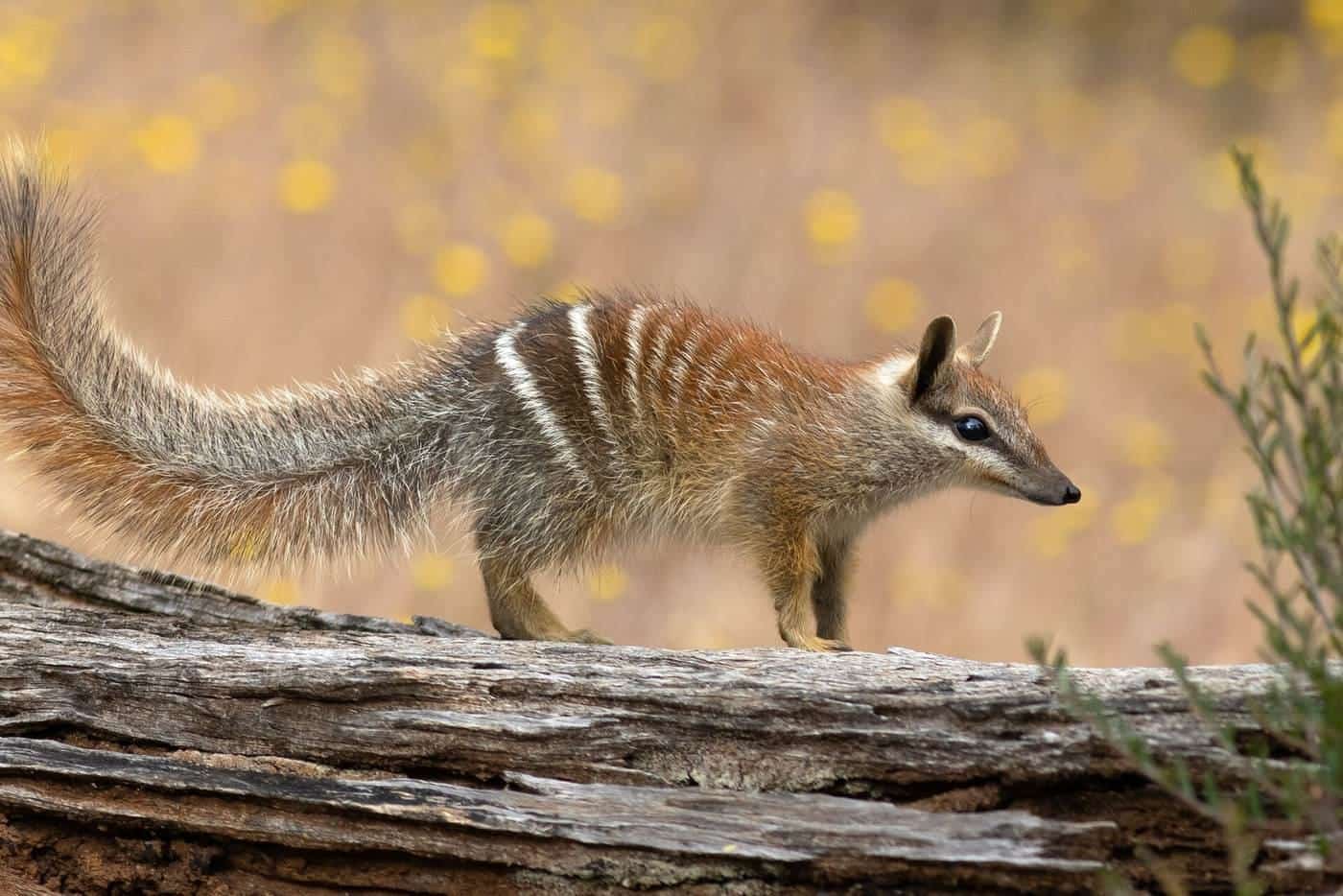
Marsupials give birth to tiny young that usually develop in a pouch. Australia's marsupials include kangaroos and wallabies, koalas, wombats, possums and gliders, bandicoots and bilbies, quolls, the numbat and the Tasmanian devil. They range from tiny planigales to large kangaroos and fill roles taken by other mammals elsewhere.
Monotremes
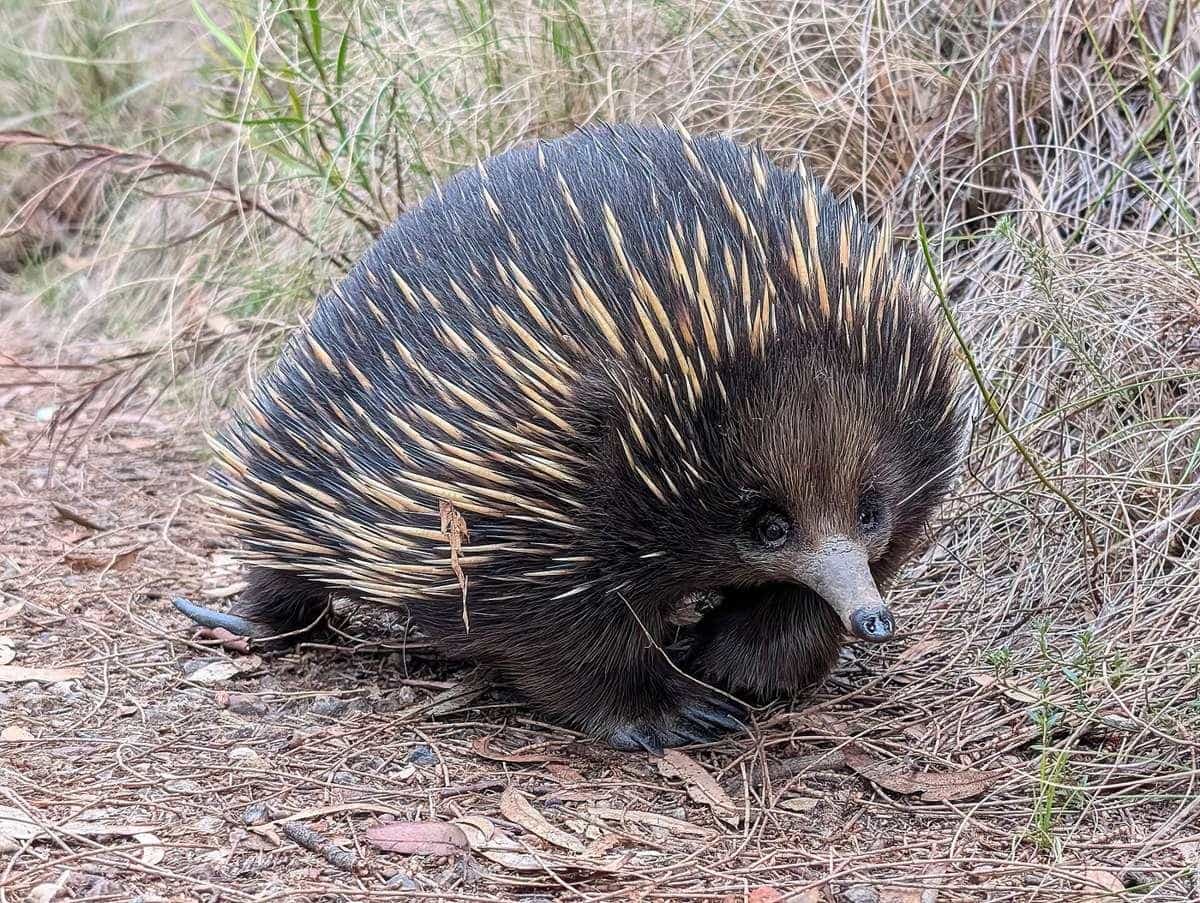
Monotremes are mammals that lay eggs. There are only a handful of living species: the platypus and the short-beaked echidna in Australia, and long-beaked echidnas in New Guinea. They're among the most unusual mammals on Earth.
Birds
Australia is home to many endemic birds, including lyrebirds, fairywrens, many honeyeaters, pardalotes and a large variety of parrots and cockatoos. Some groups of songbirds are thought to have originated in the Australian region before spreading around the world.
Reptiles and frogs
Australia's reptiles include an extraordinary range of skinks, geckos, dragons, goannas, legless lizards, snakes and turtles. Its frogs range from tiny froglets to large tree frogs, and many burrowing frogs survive dry periods underground.
Plants
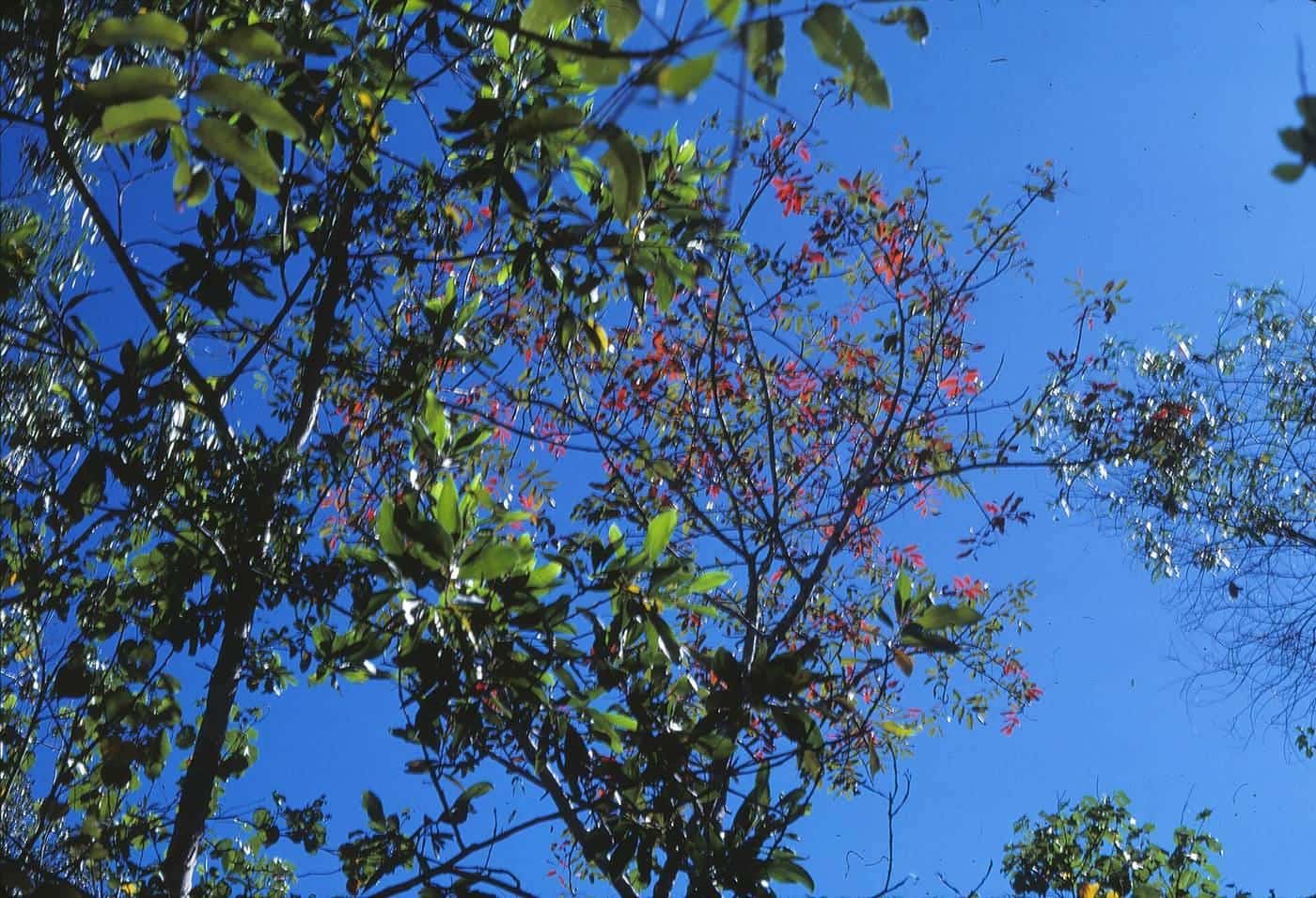
Eucalypts, wattles, banksias, grevilleas, kangaroo paws and many orchids are strongly associated with Australia. The south-west of Western Australia is especially rich in plant species found nowhere else.
Invertebrates and fungi
Most of Australia's species are insects, spiders and other invertebrates, along with fungi and microorganisms. The State of the Environment 2021 report estimates that around 70% of Australian species haven't yet been formally described, and many of these are invertebrates and fungi. Many are likely to be endemic.
Marine life
Australia's waters are also rich in endemic species, particularly along the southern coastline, where many fish, seaweeds and invertebrates are found nowhere else. Northern waters, including the Great Barrier Reef, are part of the wider Indo-Pacific region and share many species with neighbouring countries.
Why endemism matters for conservation
When a widespread species declines in one country, it may survive elsewhere. When an endemic species declines in Australia, there's no backup population. The State of the Environment 2021 report notes that around 100 Australian endemic species are listed as extinct or extinct in the wild since European settlement. Protecting Australia's endemic species is a global responsibility. See our threatened species guide.
Seeing endemic wildlife responsibly
You don't need to travel far to see endemic species. Many suburbs host fairywrens, honeyeaters, skinks and possums. Watch from a distance, don't feed wildlife, keep dogs on leads in bushland and follow park rules. Recording what you see on citizen science platforms helps scientists track species; see our citizen science guide.
Endemism within Australia
Endemism also happens at smaller scales. Some species occur only in one state, one mountain range or one island. Tasmania, the wet tropics of north Queensland, the south-west of Western Australia and many offshore islands all have species found nowhere else in Australia. Some invertebrates and plants are known from just a few locations. Species with very small ranges are especially vulnerable, because a single fire, flood or new predator can affect their whole population.
Gondwanan links
Some Australian plant and animal groups have relatives in South America, New Zealand, Africa and Antarctica's fossil record, a legacy of the ancient supercontinent Gondwana. Southern beeches, some conifers and certain freshwater crayfish and insects are examples often cited. Studying these links helps scientists understand how continents and climates have shaped life over tens of millions of years.
Learning more
Museums, botanic gardens and herbaria are great places to learn about endemic species. Many have free online resources, identification guides and exhibitions. Local field naturalist clubs often welcome beginners and run guided walks where you can see endemic species in the wild.
Try the habitat checker
Our free habitat checker asks about eight simple features of your garden or balcony, such as local plants, water, dense shrubs, leaf litter and night lighting. It gives you a quick count and three practical next steps. It runs entirely in your browser, and nothing you tick is sent anywhere. It's a simple way to turn the ideas in this guide into action at home.
Where our information comes from
Factual statements in our guides are based on expert and official sources, including the Australia State of the Environment 2021 report and the Department of Climate Change, Energy, the Environment and Water; the Australian Museum, Western Australian Museum and Museums Victoria; wildlife rescue organisations such as WIRES; BirdLife Australia; and the Atlas of Living Australia. We link to each source at the end of the page and rewrite everything in our own words.
Local rules vary
Australia's states, territories and councils each have their own rules about native wildlife, pets, weeds, pest control and development. A practice that's fine in one area may need a permit, or be banned, in another. When a guide mentions rules, treat it as a prompt to check your own state environment agency and council website. If in doubt, ask them directly before acting.
Acknowledging Country
Australia's biodiversity has been cared for by Aboriginal and Torres Strait Islander peoples for tens of thousands of years. We acknowledge the Traditional Custodians of the lands and waters across Australia and pay our respects to Elders past and present. Many local councils and land councils share information about the Traditional Owners of your area, and some run programs connecting people with Country.
Learn with others
You don't have to learn alone. Field naturalist clubs, birding groups, Landcare and bushcare groups, frog societies and native plant societies run walks, talks and working bees across Australia. Libraries and museums often host free events. Joining a group is one of the fastest ways to learn identification skills and meet people who care about local wildlife.
Small spaces still count
Not everyone has a garden. Renters and apartment dwellers can still help with pots of flowering natives, a shallow water dish on a balcony, warmer outdoor lights and a contained cat. Community gardens, school grounds and local parks offer further chances to plant habitat and record wildlife. Every patch of habitat, however small, adds to the network.
Key points
- Endemic species occur naturally in only one place.
- About 85% of Australia's plants and around 93% of its frogs are endemic.
- Isolation, ancient soils and a drying climate shaped Australia's unique life.
- If an endemic species is lost here, it's lost from the world.
Frequently asked questions
What does endemic mean?
An endemic species is found naturally in only one place, such as a single country or region.
What share of Australia's plants are endemic?
The State of the Environment 2021 report says about 85% of Australia's plant species are endemic.
What are monotremes?
Egg-laying mammals: the platypus and echidnas. They're found only in Australia and New Guinea.
Why does endemism matter for conservation?
If an endemic species disappears from Australia, it's lost from the world.
Sources and further reading
Facts on this page were checked against these primary and official sources. Conditions change — confirm before you travel or buy.
- Biodiversity: overview — Australia State of the Environment 2021
- Biodiversity: flora and fauna — Australia State of the Environment 2021