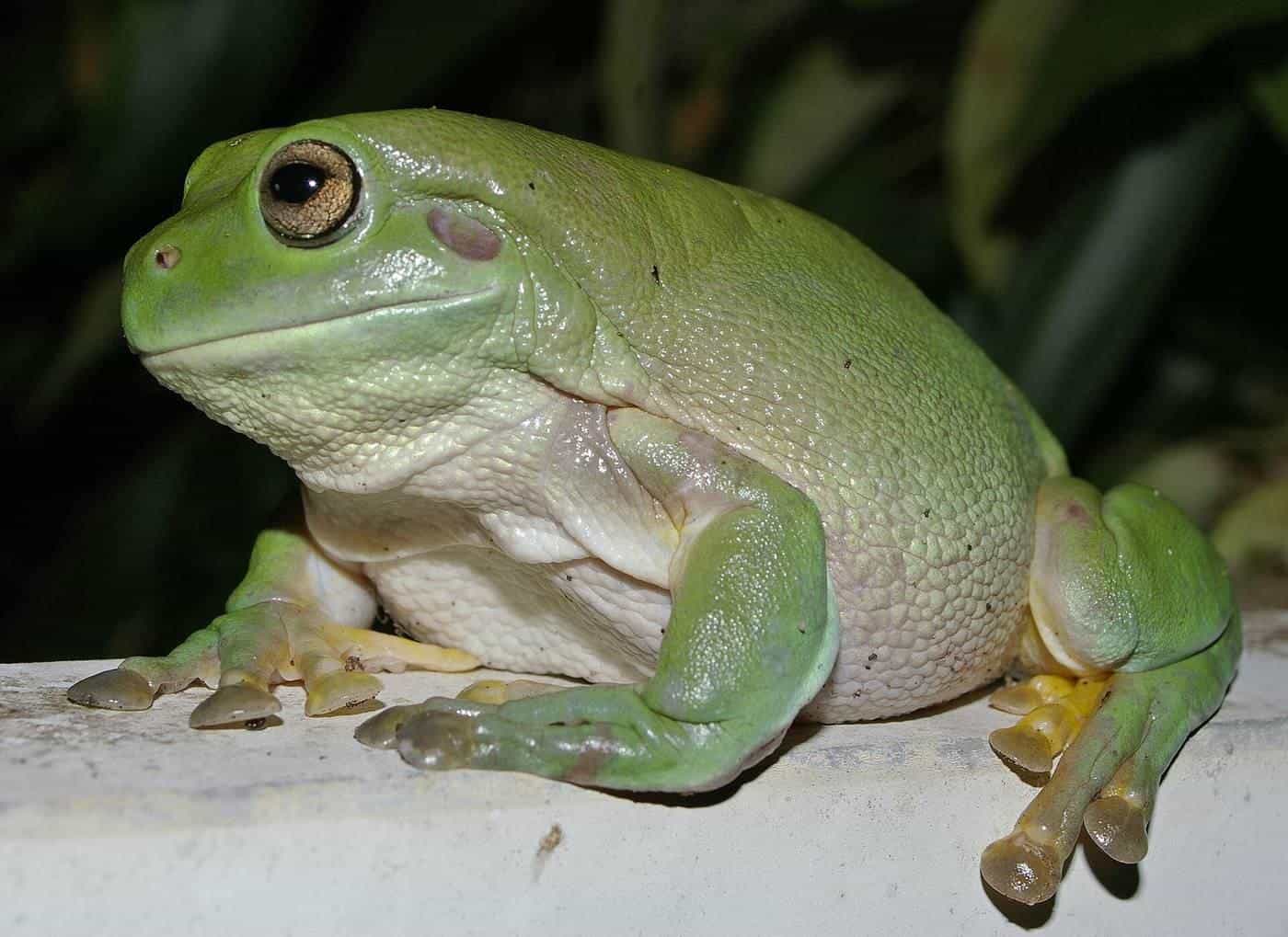
Australia is one of the most biologically distinctive places on Earth. Its plants and animals evolved over millions of years of isolation, and a remarkable share of them live nowhere else. These guides explain the basics: what biodiversity is, why Australia's is so unusual, how species come to be listed as threatened and how invasive species affect native wildlife.
Guides in this section
- What is biodiversity? Genes, species and ecosystems, and why they matter to people.
- Australia's endemic species Why so many plants and animals live only here.
- Threatened species explained Listing categories, causes of decline and how recovery works.
- Invasive species Introduced predators, herbivores, weeds and diseases, and what households can do.
Australia in numbers
The Australia State of the Environment 2021 report estimates that Australia supports 600,000 to 700,000 native species. It says about 85% of Australia's plants are endemic, that Australia is home to half the world's marsupial species, and that around 70% of Australian species, roughly 400,000, are yet to be discovered and named. It also lists 1,918 species in national threatened categories, and notes that around 100 endemic species have been listed as extinct or extinct in the wild since 1788.
Reptiles and frogs
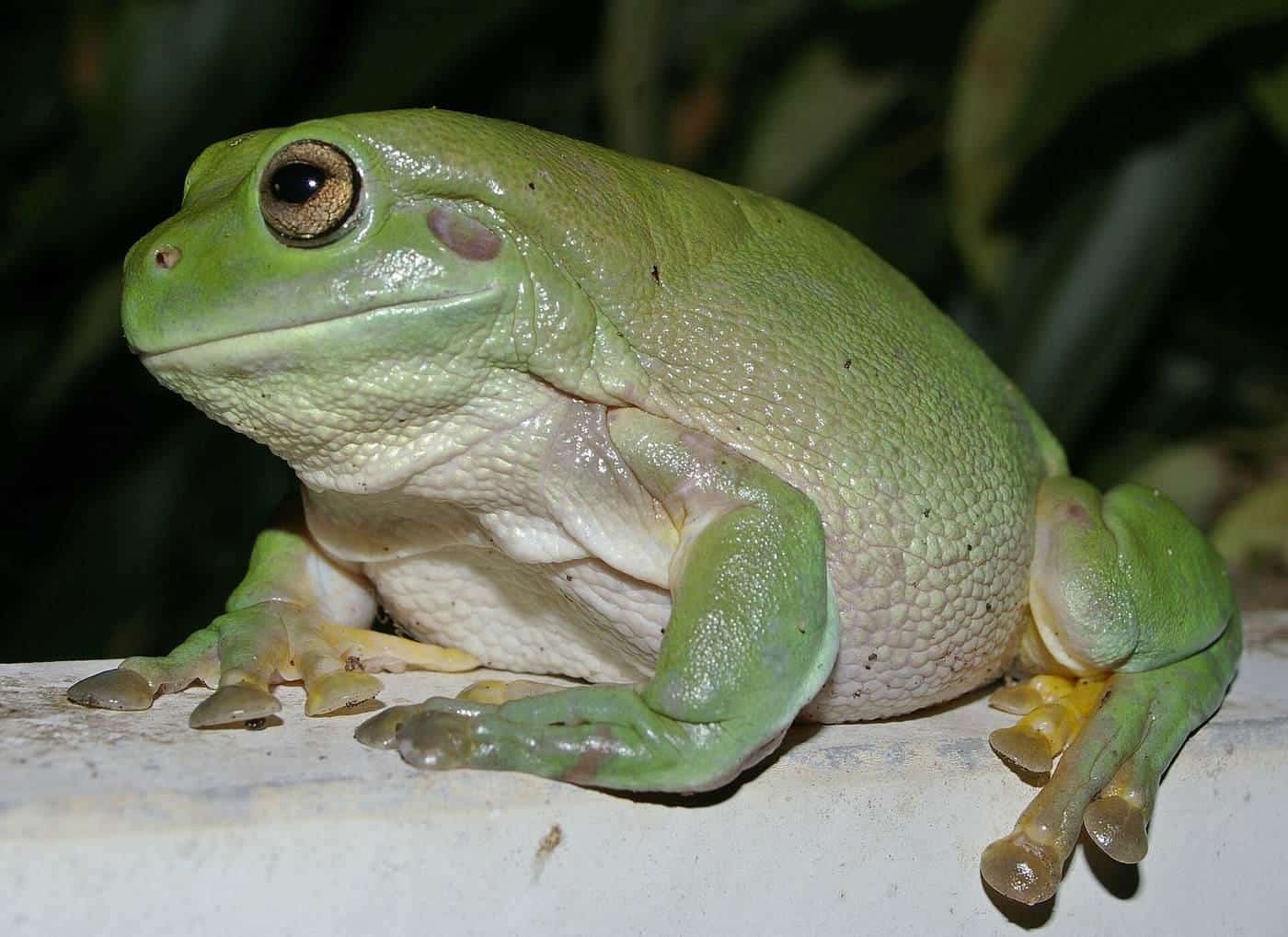
According to the same report, around 10% of the world's reptile species live in Australia, about 90% of them endemic. Of the 243 native frog species it records, around 93% are endemic, 21 new frog species were described in the previous decade, and 18.5% of frog species are extinct or threatened.
The pressures
The 2021 report identifies habitat loss and fragmentation, invasive species, climate change, altered fire regimes, disease and pollution as major pressures on Australian biodiversity. These pressures interact: a species weakened by habitat loss is more vulnerable to fire, drought or a new predator. The federal environment department explains that feral cats alone kill over 1.5 billion native mammals, birds, reptiles and frogs each year.
Why understanding matters
Knowing what lives around you, and what threatens it, is the first step to helping. Many people are surprised to learn that threatened species live in their suburb, or that a common garden plant is a weed in local bushland. Understanding the basics makes everyday choices, from what to plant to how to keep pets, more meaningful.
Knowledge is still growing
Because so many Australian species are undescribed, scientists are still discovering new plants, insects, frogs and fungi. Museums, herbaria, universities, Indigenous ranger programs and citizen scientists all contribute. Your observations can help: see our citizen science guide.
Biodiversity and Country
Aboriginal and Torres Strait Islander peoples have cared for Country for tens of thousands of years, with deep knowledge of plants, animals, seasons and fire. Many conservation programs now work in partnership with Traditional Owners and Indigenous rangers, combining traditional knowledge with Western science.
Reading official sources
When you want more detail, go to the source. The State of the Environment report, federal and state environment department species profiles, museum websites and the Atlas of Living Australia are all free to read online. We link to the sources behind each guide at the end of every page, so you can check facts for yourself.
From understanding to action
Once you understand the basics, our at home guides explain how to make gardens and homes wildlife-friendly, and our get involved guides cover citizen science, wildlife rescue and everyday actions.
Key terms at a glance
Endemic: found naturally in only one place. Threatened: listed as vulnerable, endangered or critically endangered. Invasive: introduced and spreading, causing harm. Ecological community: a characteristic group of species that occur together. Habitat: where a species finds food, shelter and breeding sites. Knowing these words makes official reports and species profiles much easier to read.
Questions we hear often
People often ask whether one household can really make a difference, whether native plants are always better than exotic ones, and whether it's safe to help wildlife themselves. In short: yes, small actions add up across a suburb; local natives generally support local wildlife best, though not every exotic plant is harmful; and with wildlife, your own safety and a call to a trained rescuer come first. Each guide in this section goes into more detail, with links to the official and expert sources behind it, so you can read further and check the facts for yourself.
Five things anyone can do
- Plant local natives in layers, with flowers across the year.
- Add clean, shallow water and leave some leaf litter and logs.
- Keep cats contained and dogs supervised, especially at night.
- Use warm, shielded outdoor lights only where and when you need them.
- Record what you see with citizen science apps such as iNaturalist and FrogID.
About these guides
Biodiversity is an independent information site about Australian wildlife, plants and habitats, and what households can do to help them. We aren't a government agency, museum, charity or rescue organisation, and we don't recommend particular businesses or products. Our guides are general information written in our own words, with expert and official sources listed on every page. Rules about wildlife, pets and plants vary between states, territories and councils, so always check locally.
How we keep these guides current
We review each guide against its sources and show the date it was last checked. Official figures, such as threatened species lists, are updated over time. If you notice something out of date, please tell us through our contact page, and we'll check and correct it.
Try the habitat checker
Our free habitat checker asks about eight simple features of your garden or balcony and suggests three next steps. It runs entirely in your browser, and nothing you tick is sent anywhere.
Guides in this section
Understanding
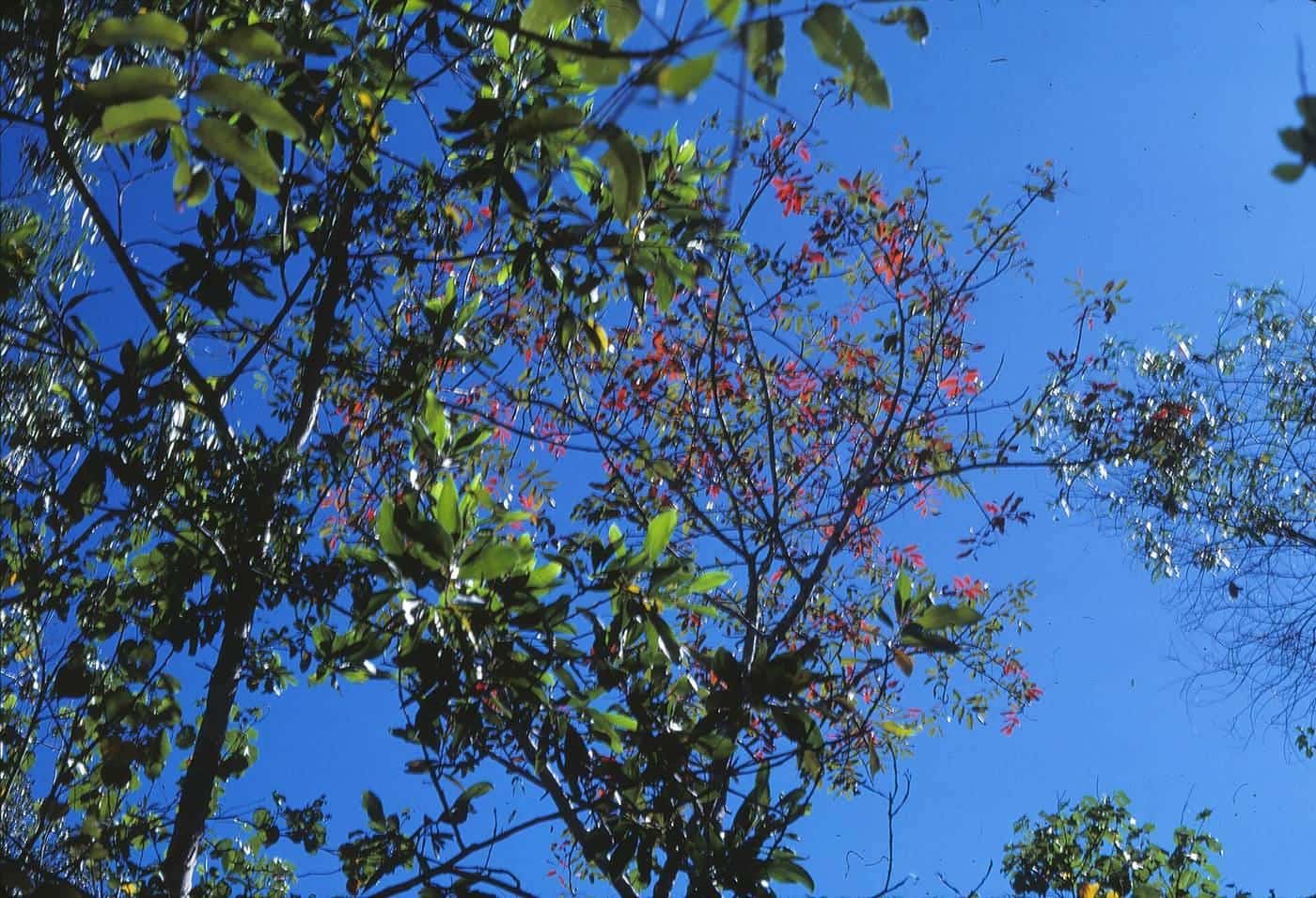
What is biodiversity?
What biodiversity means: genes, species and ecosystems, why it matters to people, and what makes Australia's biodiversity so unusual.
Read · 6 min
Understanding
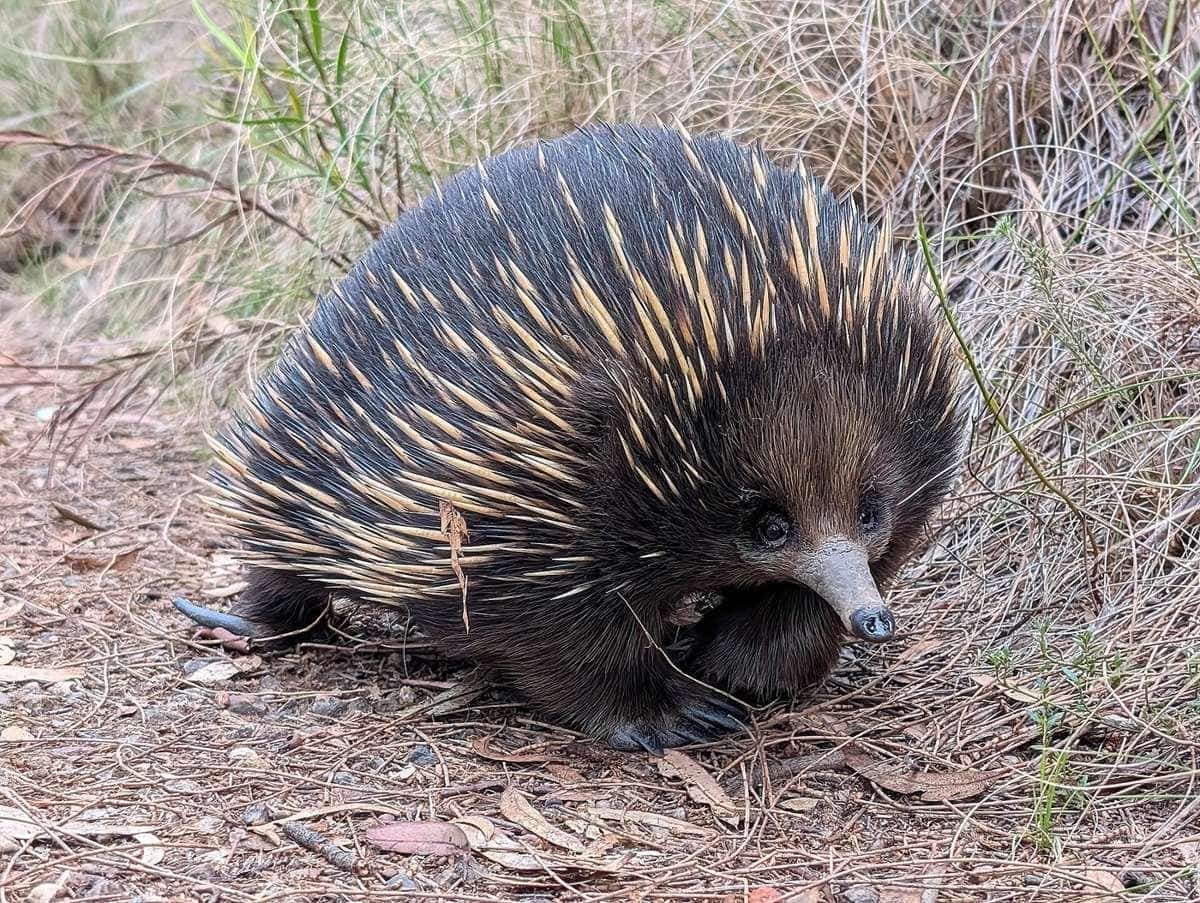
Australia's endemic species
Why so many Australian plants and animals are found nowhere else: isolation, soils and climate, with marsupials, monotremes, reptiles and frogs.
Read · 6 min
Understanding
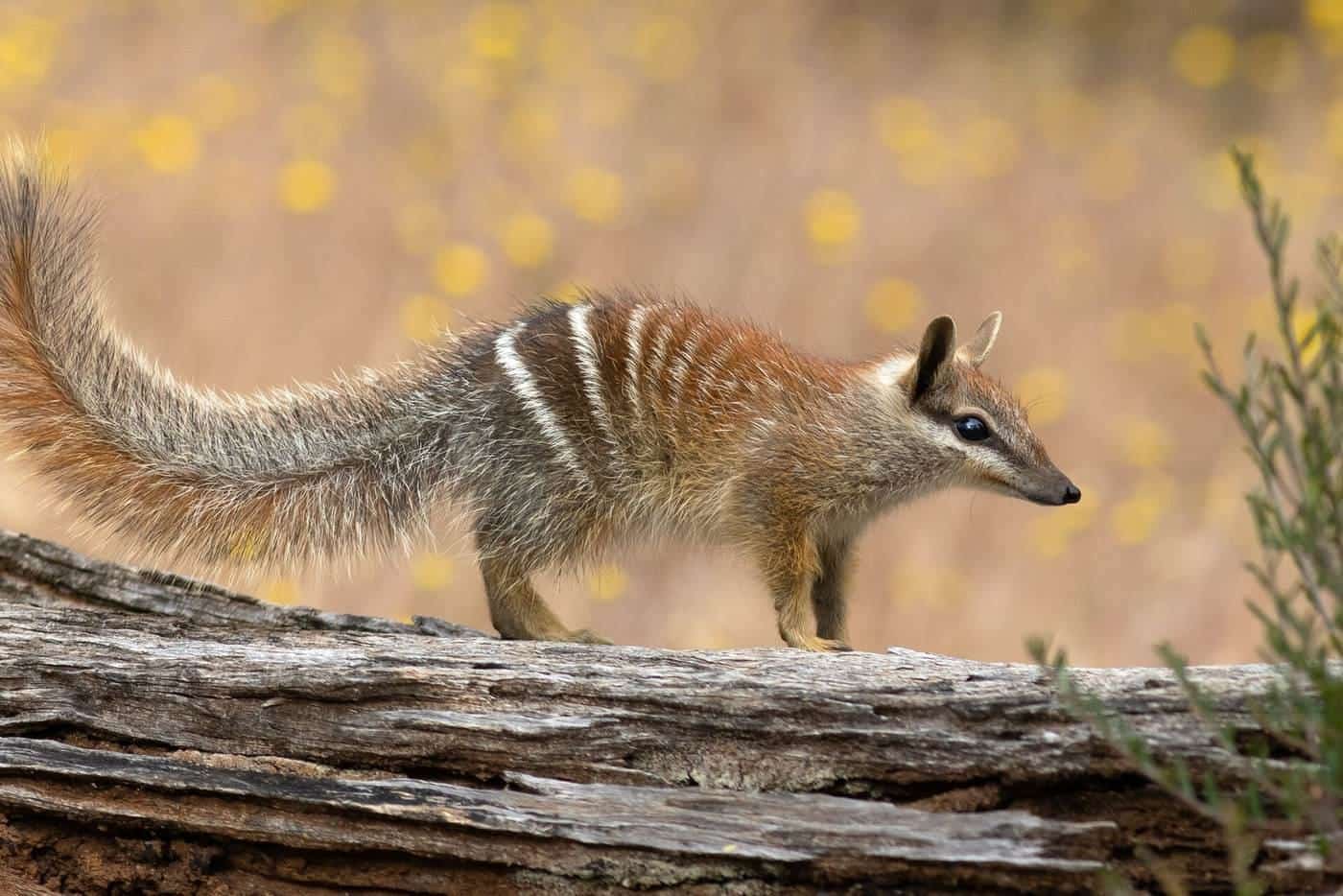
Threatened species explained
How threatened species are listed in Australia: EPBC Act categories, how many species are listed, the main threats and how recovery works.
Read · 6 min
Understanding
Invasive species
How invasive animals, weeds and diseases affect Australian biodiversity, including feral cats, foxes and garden escapes, and how households can help.
Read · 6 min
Frequently asked questions
What is biodiversity?
The variety of life: genetic diversity within species, the variety of species and the variety of ecosystems.
How many native species does Australia have?
The State of the Environment 2021 report estimates 600,000 to 700,000, with around 70% not yet discovered.
What are the biggest threats?
Habitat loss, invasive species, climate change, altered fire regimes, disease and pollution.
Where do your figures come from?
Official and expert sources such as the State of the Environment 2021 report and the federal environment department.
Sources and further reading
Facts on this page were checked against these primary and official sources. Conditions change — confirm before you travel or buy.
- Biodiversity: overview — Australia State of the Environment 2021
- Biodiversity: flora and fauna — Australia State of the Environment 2021
- Feral cats — Department of Climate Change, Energy, the Environment and Water