You may have heard that a species is "endangered" or "vulnerable", but what do those labels mean, who decides and what happens next? This guide explains how species are listed as threatened in Australia, how many are listed, what's driving their decline and how recovery works.
This guide is general information written in our own words, based on the sources listed at the end. Rules about wildlife, pets and plants vary between states, territories and councils, so check locally. We don't recommend particular businesses or products.
Who lists threatened species?
In Australia, species can be listed under national law, the Environment Protection and Biodiversity Conservation Act 1999 (EPBC Act), and under state and territory laws. Lists don't always match: a species might be threatened in one state but secure nationally, or vice versa. International assessments, such as the IUCN Red List, use similar categories.
The categories
Nationally listed species fall into categories including:
- Extinct: no reasonable doubt that the last individual has died.
- Extinct in the wild: survives only in captivity or cultivation.
- Critically endangered: an extremely high risk of extinction in the wild in the immediate future.
- Endangered: a very high risk of extinction in the wild in the near future.
- Vulnerable: a high risk of extinction in the wild in the medium term.
- Conservation dependent: the focus of a conservation program without which it would become threatened.
Assessments consider factors such as population size, how fast it's declining and how small or fragmented its range is.
How many species are listed?
The Australia State of the Environment 2021 report includes a table of nationally listed species as of June 2021. It shows 1,918 listed species in total, spanning plants and animals from frogs and fish to birds and mammals. The report notes that the number of listed species has increased over time.
Extinctions
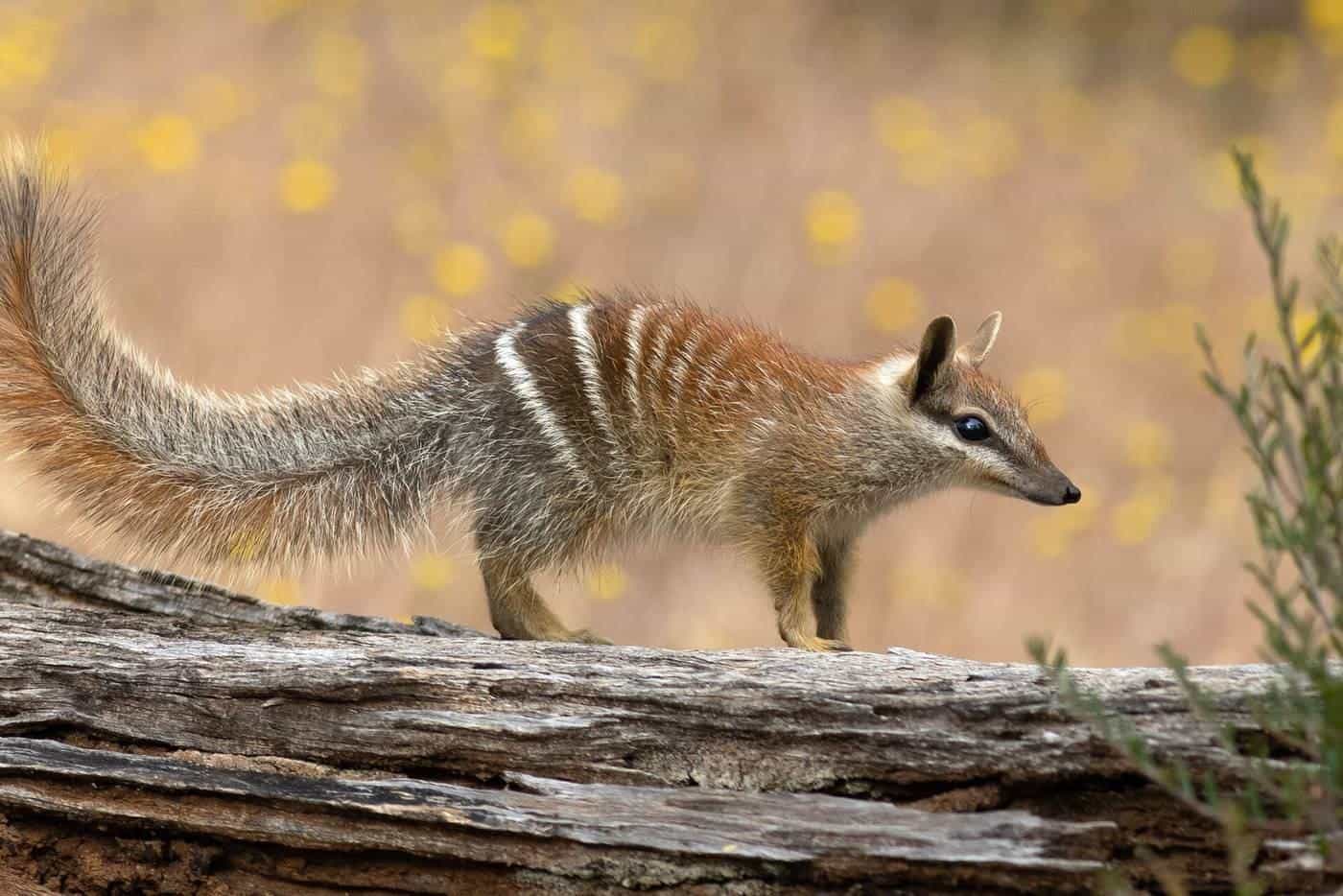
The 2021 report notes that around 100 endemic Australian species have been validly listed as extinct or extinct in the wild since European settlement in 1788. Mammals have been particularly hard hit: the report says most mammal extinctions in Australia have been driven by introduced predators, especially feral cats and the European red fox.
The main threats
The State of the Environment 2021 report identifies major pressures on biodiversity:
- Habitat loss and fragmentation from land clearing, urban development and agriculture.
- Invasive species, including predators such as feral cats and foxes, herbivores such as rabbits and goats, weeds, and diseases.
- Climate change, including heatwaves, drought, marine heatwaves and changes to rainfall.
- Altered fire regimes, including more frequent or intense fires.
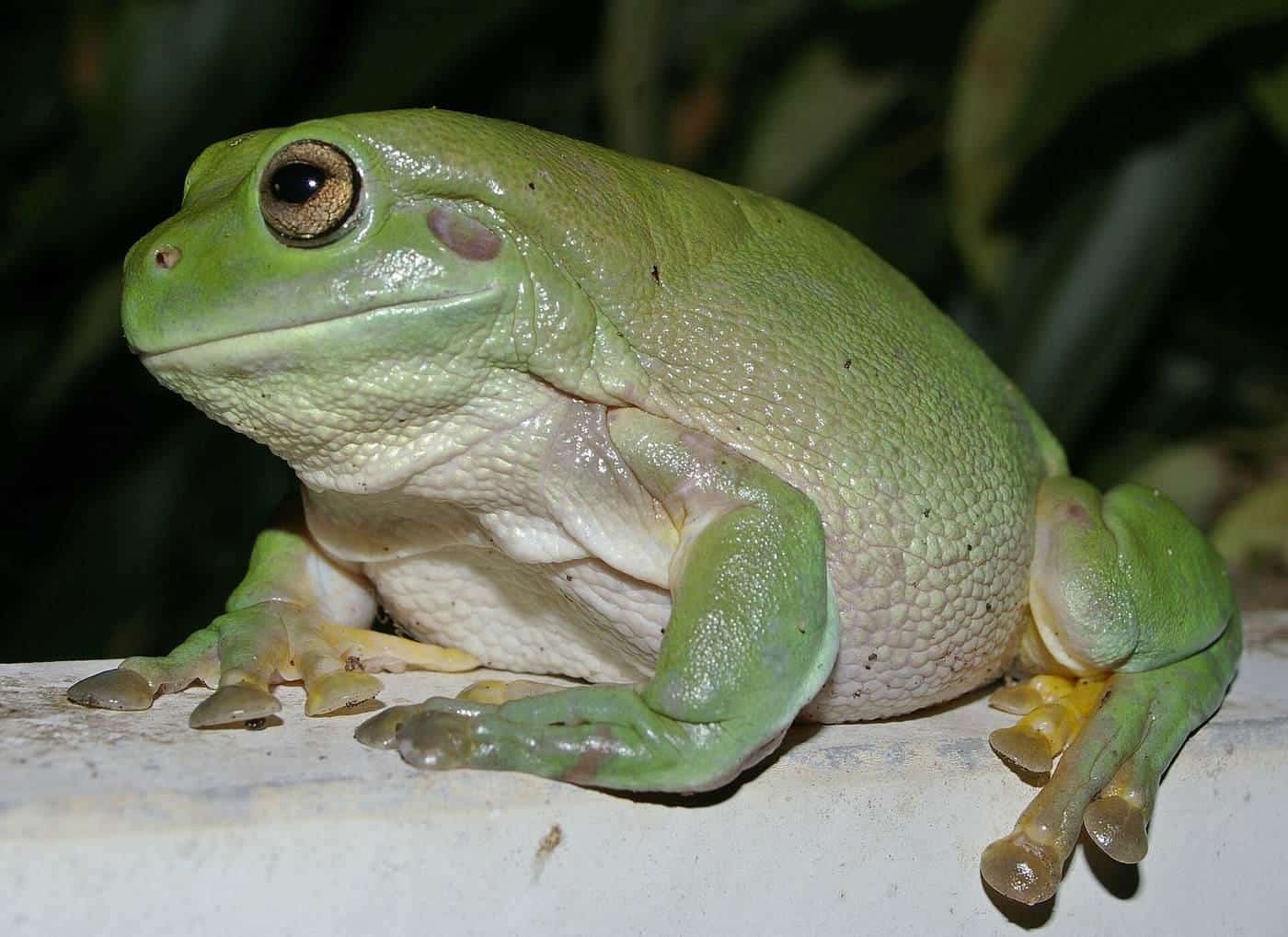
- Disease, such as chytrid fungus in frogs.
- Pollution, including light pollution and plastics.
These threats often combine. A species weakened by habitat loss may be pushed over the edge by a bushfire or a new predator.
Feral cats: one example
The Department of Climate Change, Energy, the Environment and Water explains that feral cats kill over 1.5 billion native mammals, birds, reptiles and frogs, and 1.1 billion invertebrates, each year. It says predation by cats is a recognised threat to over 200 nationally threatened species and has contributed to the extinction of more than 20 Australian mammal species. See our invasive species guide.
Threatened ecological communities
It's not only species that can be listed. Whole ecological communities, such as particular types of woodland, grassland, wetland or forest, can be listed as threatened under the EPBC Act. Protecting communities can protect many species at once, including ones not yet named.
How recovery works
Recovery plans and conservation advice set out actions needed to help threatened species. Common approaches include:
- protecting and restoring habitat;
- controlling predators and competitors, sometimes with predator-proof fenced areas or islands;
- managing fire;
- captive breeding and translocation to establish new populations;
- research and monitoring;
- working with Traditional Owners, landholders and communities.
Some species have improved through sustained action, particularly where introduced predators are controlled. Recovery usually takes many years.
Why it matters to you
Threatened species may seem far away, but many live in or near cities and farms. Local actions, such as keeping cats contained, planting local natives, reducing light at night and reporting sightings, can help. Some threatened species live in suburbs, and councils and community groups often run local recovery projects.
How to help
- Learn which threatened species live in your area; your state environment agency and council can help.
- Join a local bushcare, Landcare or Coastcare group.
- Record sightings through citizen science; see our citizen science guide.
- Keep pets contained; see pets and wildlife.
- Report sick or injured wildlife to a local rescue group; see helping injured wildlife.
Who can nominate a species?
Members of the public, scientists and organisations can nominate species or ecological communities for listing under national law. Nominations are assessed by an independent scientific committee, which advises the federal environment minister. States and territories have their own processes. Listing triggers legal protections and can guide funding and recovery work.
Data gaps
For many species, especially invertebrates, fungi and marine life, scientists simply don't have enough information to assess them. This means official lists likely underestimate how many species are at risk. Survey work, museum collections and citizen science all help fill these gaps. See our citizen science guide.
Reading a species profile
Government species profiles typically describe a species' appearance, distribution, habitat, threats and recovery actions, and list its conservation status under national and state laws. They are a good place to start if you want to know whether a species near you is threatened and how you can help.
Try the habitat checker
Our free habitat checker asks about eight simple features of your garden or balcony, such as local plants, water, dense shrubs, leaf litter and night lighting. It gives you a quick count and three practical next steps. It runs entirely in your browser, and nothing you tick is sent anywhere. It's a simple way to turn the ideas in this guide into action at home.
Where our information comes from
Factual statements in our guides are based on expert and official sources, including the Australia State of the Environment 2021 report and the Department of Climate Change, Energy, the Environment and Water; the Australian Museum, Western Australian Museum and Museums Victoria; wildlife rescue organisations such as WIRES; BirdLife Australia; and the Atlas of Living Australia. We link to each source at the end of the page and rewrite everything in our own words.
Local rules vary
Australia's states, territories and councils each have their own rules about native wildlife, pets, weeds, pest control and development. A practice that's fine in one area may need a permit, or be banned, in another. When a guide mentions rules, treat it as a prompt to check your own state environment agency and council website. If in doubt, ask them directly before acting.
Acknowledging Country
Australia's biodiversity has been cared for by Aboriginal and Torres Strait Islander peoples for tens of thousands of years. We acknowledge the Traditional Custodians of the lands and waters across Australia and pay our respects to Elders past and present. Many local councils and land councils share information about the Traditional Owners of your area, and some run programs connecting people with Country.
Learn with others
You don't have to learn alone. Field naturalist clubs, birding groups, Landcare and bushcare groups, frog societies and native plant societies run walks, talks and working bees across Australia. Libraries and museums often host free events. Joining a group is one of the fastest ways to learn identification skills and meet people who care about local wildlife.
Small spaces still count
Not everyone has a garden. Renters and apartment dwellers can still help with pots of flowering natives, a shallow water dish on a balcony, warmer outdoor lights and a contained cat. Community gardens, school grounds and local parks offer further chances to plant habitat and record wildlife. Every patch of habitat, however small, adds to the network.
Key points
- Species can be listed under national and state laws, which may differ.
- The 2021 report lists 1,918 nationally threatened species.
- Habitat loss, invasive species, climate change, fire and disease are the main threats.
- Recovery takes sustained action and local help matters.
Frequently asked questions
What are the threatened species categories?
Under national law, categories include extinct, extinct in the wild, critically endangered, endangered, vulnerable and conservation dependent.
How many species are threatened in Australia?
The State of the Environment 2021 report lists 1,918 species in national threatened categories as of mid-2021.
What causes species to become threatened?
Habitat loss, invasive species, climate change, altered fire regimes and disease are major causes.
Can threatened species recover?
Yes, with action. Some species have improved through predator control, habitat protection and breeding programs.
Sources and further reading
Facts on this page were checked against these primary and official sources. Conditions change — confirm before you travel or buy.
- Biodiversity: overview — Australia State of the Environment 2021
- Biodiversity: flora and fauna — Australia State of the Environment 2021
- Feral cats — Department of Climate Change, Energy, the Environment and Water