Australia is huge, and scientists can't be everywhere. That's where citizen science comes in: members of the public recording what they see and hear, adding millions of observations that help researchers understand where species live and how they're changing. The State of the Environment 2021 report estimates that around 70% of Australian species haven't yet been formally described, so careful observation still matters. This guide covers some popular ways to get involved.
This guide is general information written in our own words, based on the sources listed at the end. Rules about wildlife, pets and plants vary between states, territories and councils, so check locally. We don't recommend particular businesses or products.
What citizen science is
Citizen science means members of the public taking part in research. In biodiversity, that usually means recording observations: a photo of a lizard, a recording of a frog call, a count of birds in a park. When many people contribute, the records can reveal patterns that no single researcher could see.
iNaturalist
iNaturalist is a global platform where you upload photos of plants, animals and fungi. Other users and the platform's image recognition help identify them. Observations that reach "research grade", agreed by the community, are shared with biodiversity databases. Tips:
- Take several clear photos from different angles.
- Include the date and location (the app usually adds these).
- Photograph wild organisms only, not garden plants or pets, unless the project asks for them.
- Obscure exact locations of sensitive species; the platform has settings for this.
FrogID
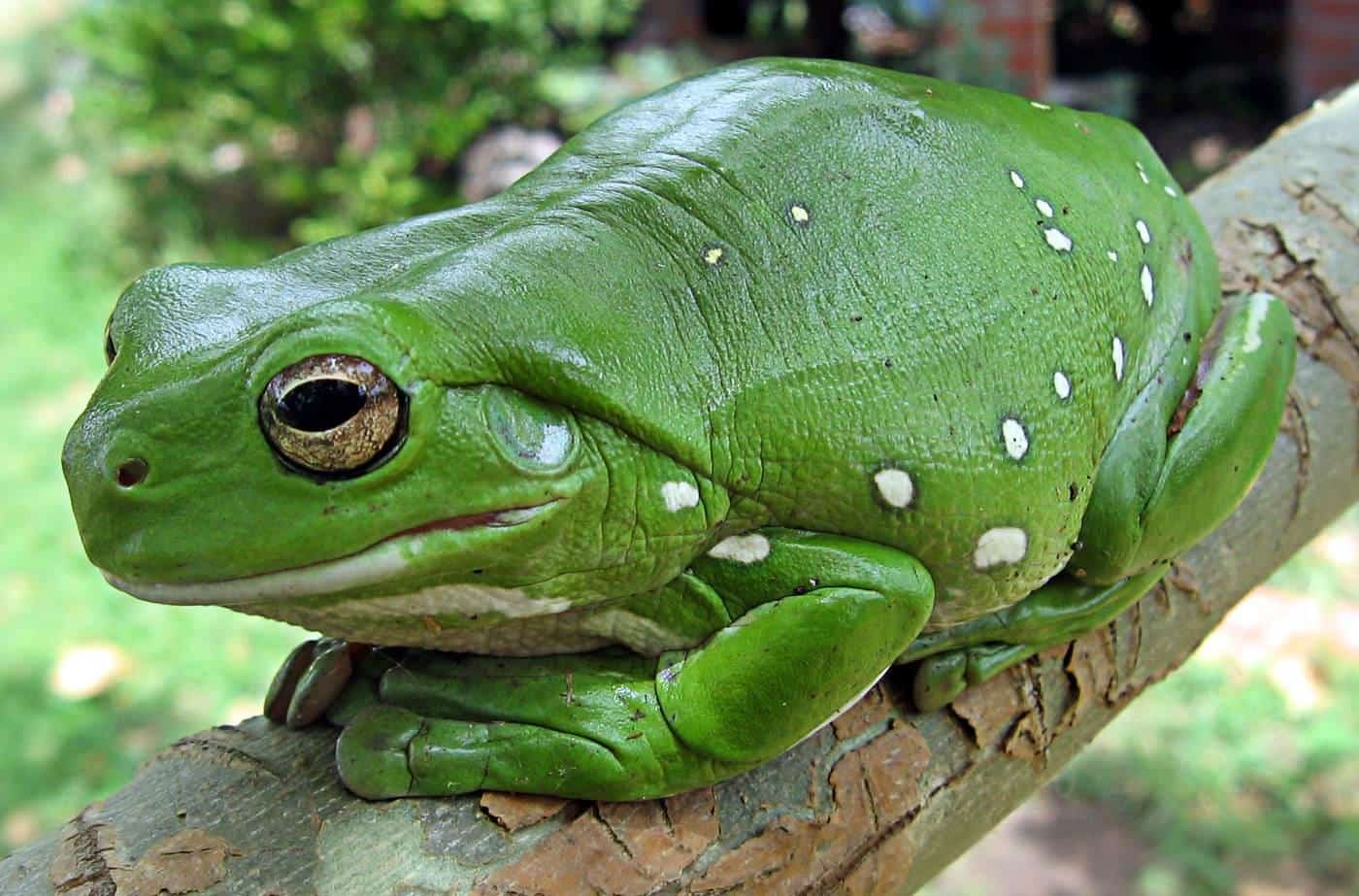
FrogID, run by the Australian Museum, focuses on frogs. Because many frogs are easier to hear than see, you record calls with your phone. The FrogID guidance asks you to record for at least 20 seconds, and experts identify the species from the call. Recordings help track frog distributions and the effects of threats such as disease and habitat loss. See our frogs and ponds guide.
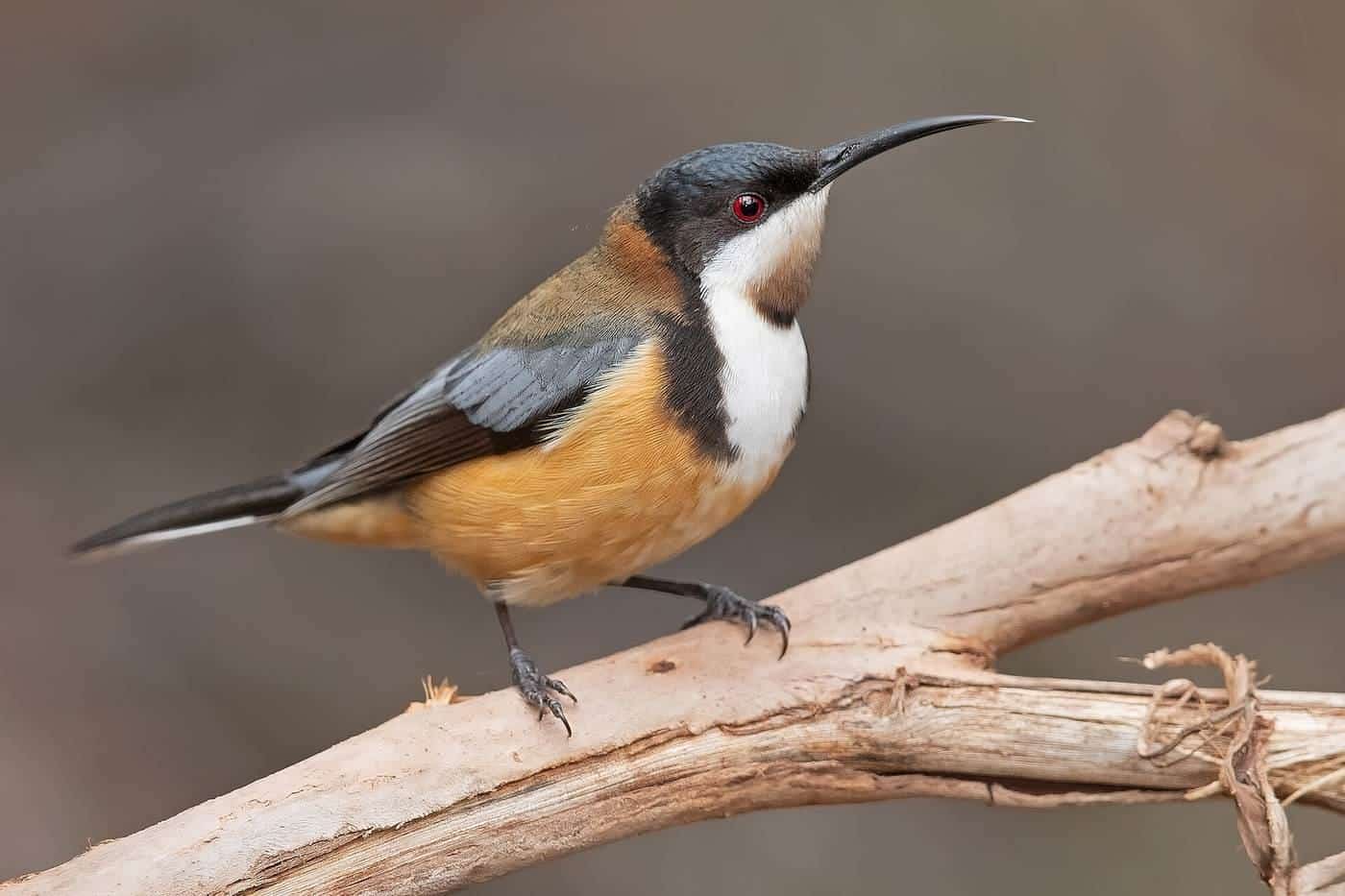
Aussie Bird Count
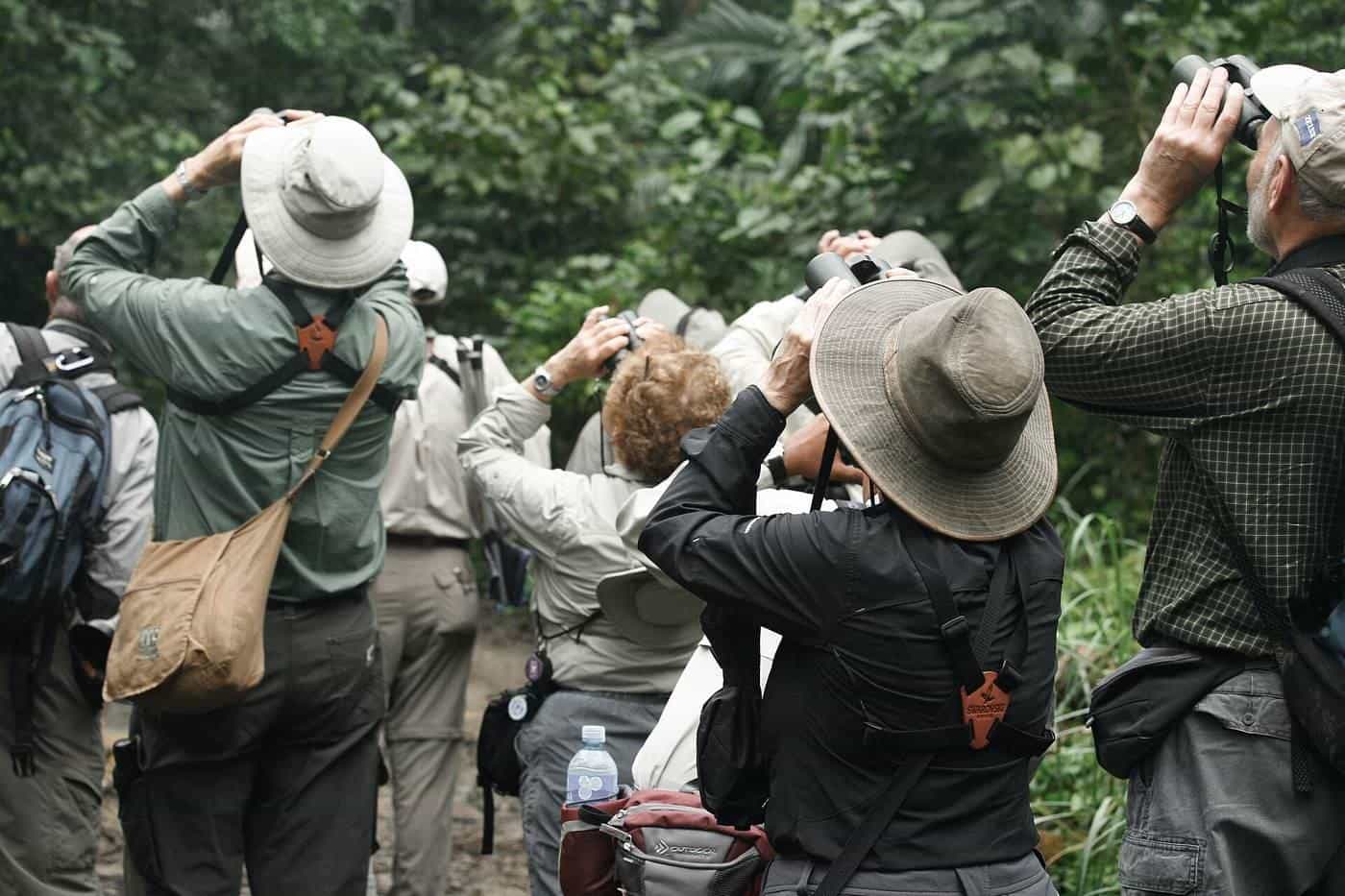
BirdLife Australia's Aussie Bird Count is an annual event during Bird Week. In 2026 it runs from 19 to 25 October. You spend 20 minutes in one spot, such as a backyard, park or beach, and record the birds you see using the app or website. It's free, family-friendly and a good introduction to birdwatching.
Atlas of Living Australia
The Atlas of Living Australia (ALA) brings together biodiversity records from museums, herbaria, government agencies, researchers and citizen science platforms. You can search it to explore species recorded near you. Many citizen science records flow into the ALA, where they're available for research and planning.
Other ways to contribute
- Local surveys: councils, Landcare and bushcare groups often run surveys of birds, frogs, platypus, plants or water quality.
- Museum and herbarium projects: some institutions run online projects to transcribe specimen labels.
- Waterwatch and similar programs: monitoring water quality in local creeks.
- Beach and marine programs: recording marine life, shorebirds or marine debris.
Getting good data
Good records are accurate, honest and well documented:
- Record what you actually saw or heard; don't guess.
- Note uncertainty, and let experts help identify.
- Record common species too; knowing where common species are matters.
- Record repeat observations over time if a project asks for them.
Ethics and safety
- Don't disturb wildlife to get a photo or recording; see our wildlife photography ethics guide.
- Don't handle wildlife unless trained and authorised.
- Stay on tracks, follow park rules and respect private property.
- Respect cultural sites and the wishes of Traditional Owners.
Why your observations matter
Long-term records help detect when species decline or move, for example in response to climate change, fire or invasive species. They can help identify places to protect and measure whether conservation actions work. Even observations of familiar species help build that picture.
Getting started
Download an app, step into your backyard or local park, and start noticing. Many people find that citizen science changes how they see their neighbourhood. Our habitat checker can help you notice what your garden already offers.
Projects for families and schools
Citizen science suits all ages. Children can help count birds, record frog calls, photograph insects or monitor a schoolyard garden. Many schools join national events such as the Aussie Bird Count. Simple projects build observation skills and a sense of connection with local nature.
Learning identification
Identification improves with practice. Start with common species in your area, use field guides and apps, and compare your observations with experts' identifications. Local naturalist clubs and online communities are usually happy to help beginners. Over time, you'll recognise more species by sight and sound.
Data and privacy
Before joining a platform, read how it uses and shares your data. Most citizen science platforms share species observations publicly, sometimes with location details. Check privacy settings, especially for observations taken at your home.
Try the habitat checker
Our free habitat checker asks about eight simple features of your garden or balcony, such as local plants, water, dense shrubs, leaf litter and night lighting. It gives you a quick count and three practical next steps. It runs entirely in your browser, and nothing you tick is sent anywhere. It's a simple way to turn the ideas in this guide into action at home.
Where our information comes from
Factual statements in our guides are based on expert and official sources, including the Australia State of the Environment 2021 report and the Department of Climate Change, Energy, the Environment and Water; the Australian Museum, Western Australian Museum and Museums Victoria; wildlife rescue organisations such as WIRES; BirdLife Australia; and the Atlas of Living Australia. We link to each source at the end of the page and rewrite everything in our own words.
Local rules vary
Australia's states, territories and councils each have their own rules about native wildlife, pets, weeds, pest control and development. A practice that's fine in one area may need a permit, or be banned, in another. When a guide mentions rules, treat it as a prompt to check your own state environment agency and council website. If in doubt, ask them directly before acting.
Acknowledging Country
Australia's biodiversity has been cared for by Aboriginal and Torres Strait Islander peoples for tens of thousands of years. We acknowledge the Traditional Custodians of the lands and waters across Australia and pay our respects to Elders past and present. Many local councils and land councils share information about the Traditional Owners of your area, and some run programs connecting people with Country.
Learn with others
You don't have to learn alone. Field naturalist clubs, birding groups, Landcare and bushcare groups, frog societies and native plant societies run walks, talks and working bees across Australia. Libraries and museums often host free events. Joining a group is one of the fastest ways to learn identification skills and meet people who care about local wildlife.
Small spaces still count
Not everyone has a garden. Renters and apartment dwellers can still help with pots of flowering natives, a shallow water dish on a balcony, warmer outdoor lights and a contained cat. Community gardens, school grounds and local parks offer further chances to plant habitat and record wildlife. Every patch of habitat, however small, adds to the network.
Tell us what you think
We review our guides regularly against their sources. If you notice something out of date, have a question we haven't answered or spot an error, please let us know through our contact page. We read every message and correct mistakes promptly.
A quick checklist
If you only remember a few things from our guides, make them these: plant local natives in layers; provide clean, shallow water; leave some leaf litter and logs; keep cats contained and dogs supervised; use warm, shielded outdoor lights only when needed; avoid garden chemicals; never move or release animals; and record what you see. Small, consistent actions add up across a neighbourhood.
Key points
- Citizen science lets anyone add records that help scientists.
- iNaturalist, FrogID and the Aussie Bird Count are easy starting points.
- The 2026 Aussie Bird Count runs 19 to 25 October.
- Record accurately and never disturb wildlife for data.
Frequently asked questions
What is citizen science?
Members of the public helping with scientific research, often by recording observations of plants and animals.
When is the Aussie Bird Count?
BirdLife Australia's Aussie Bird Count runs 19 to 25 October 2026. You count birds for 20 minutes in one spot.
How does FrogID work?
Record a frog call for at least 20 seconds with the app; Australian Museum experts identify the species.
Where does my data go?
Many records flow to the Atlas of Living Australia, where scientists and planners can use them.
Sources and further reading
Facts on this page were checked against these primary and official sources. Conditions change — confirm before you travel or buy.
- iNaturalist — iNaturalist
- How to use FrogID — FrogID, Australian Museum
- Aussie Bird Count — BirdLife Australia
- Atlas of Living Australia — Atlas of Living Australia