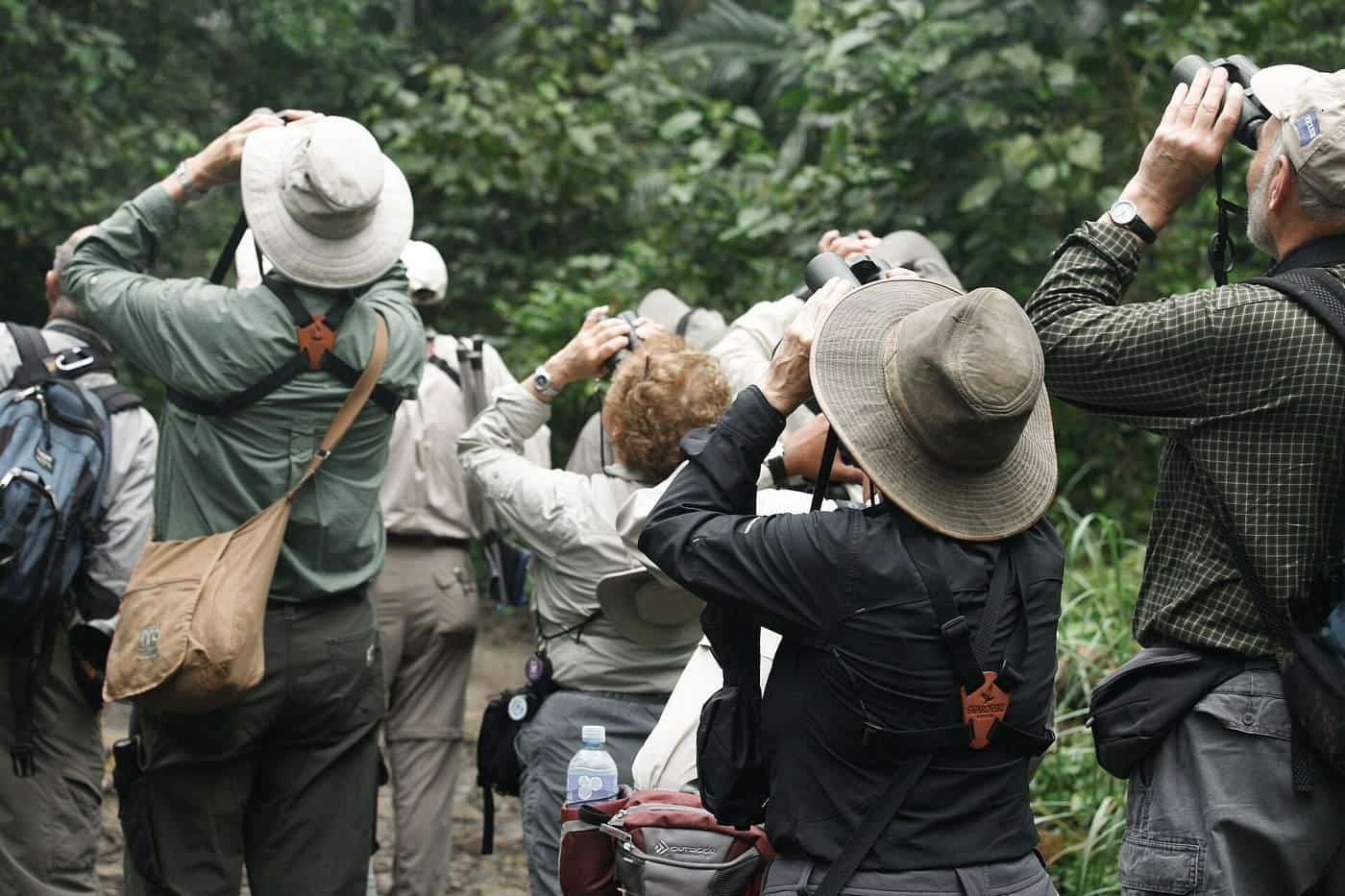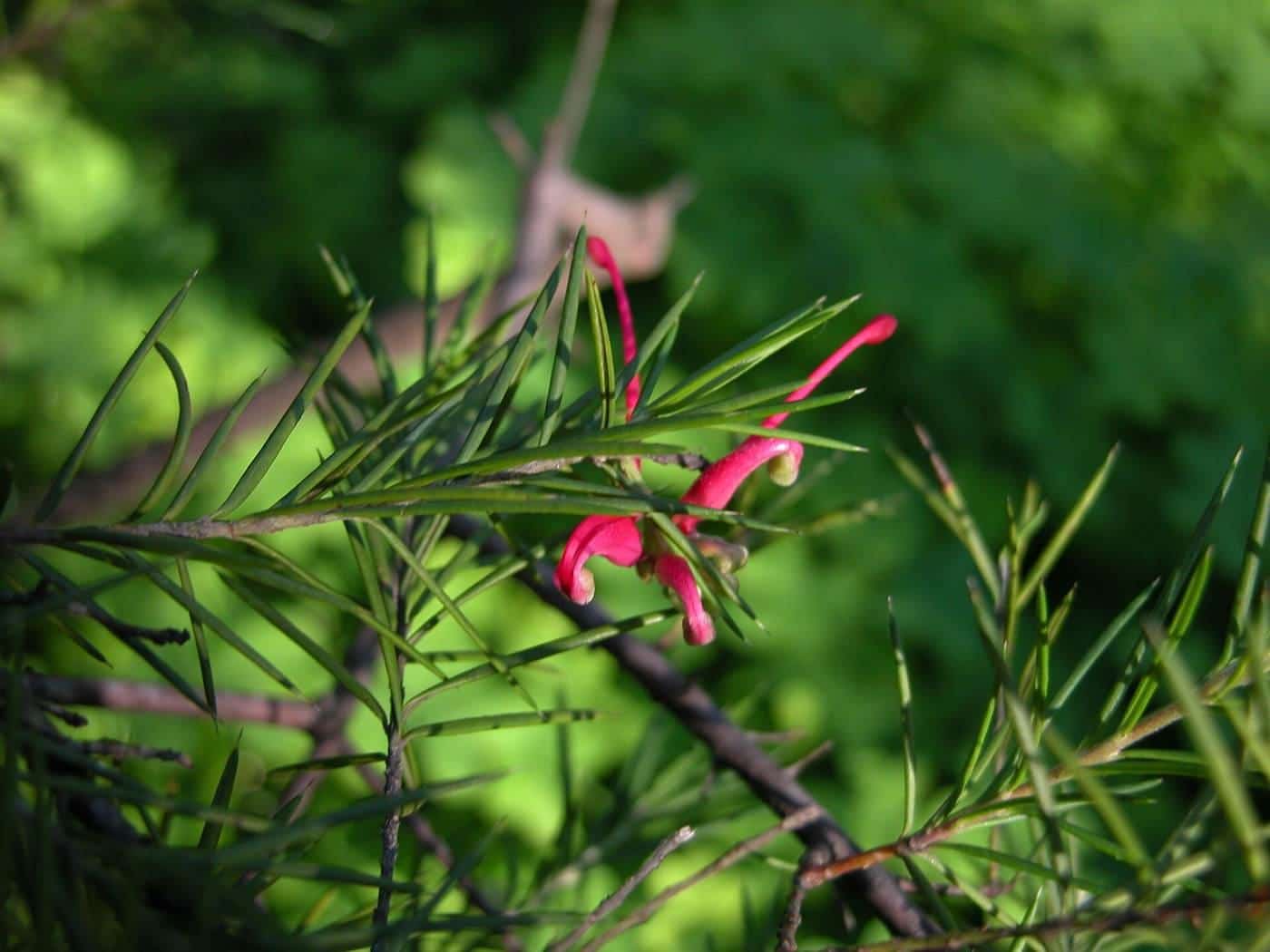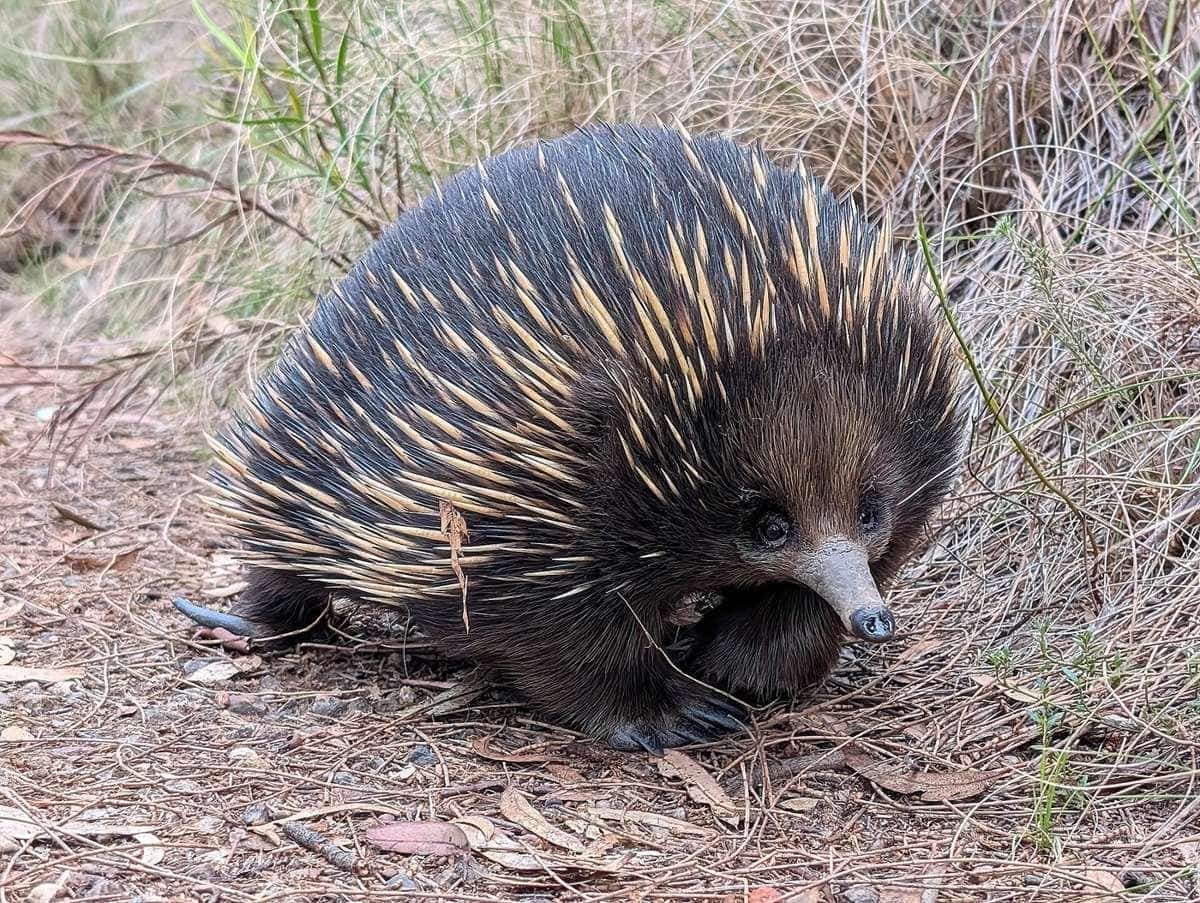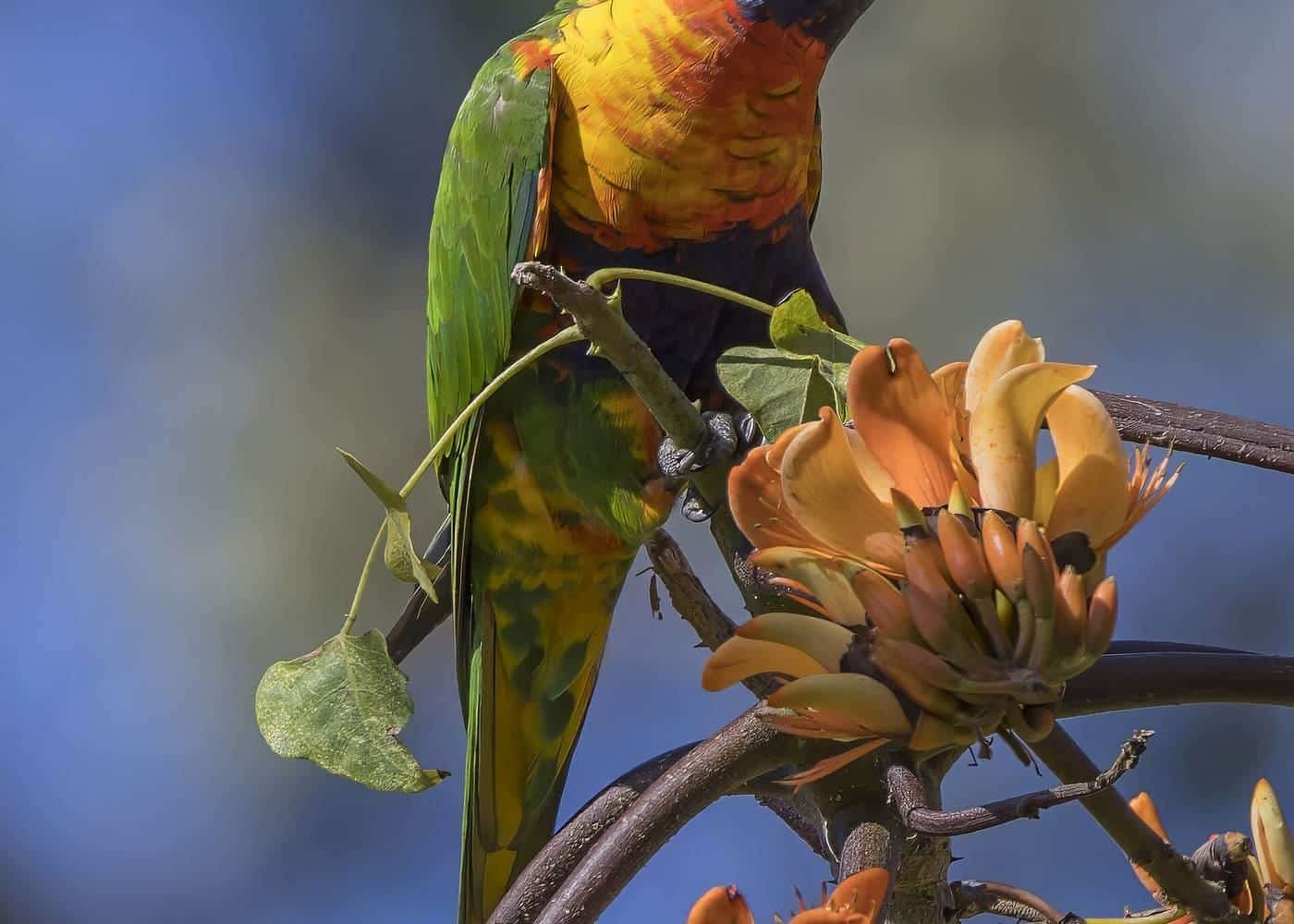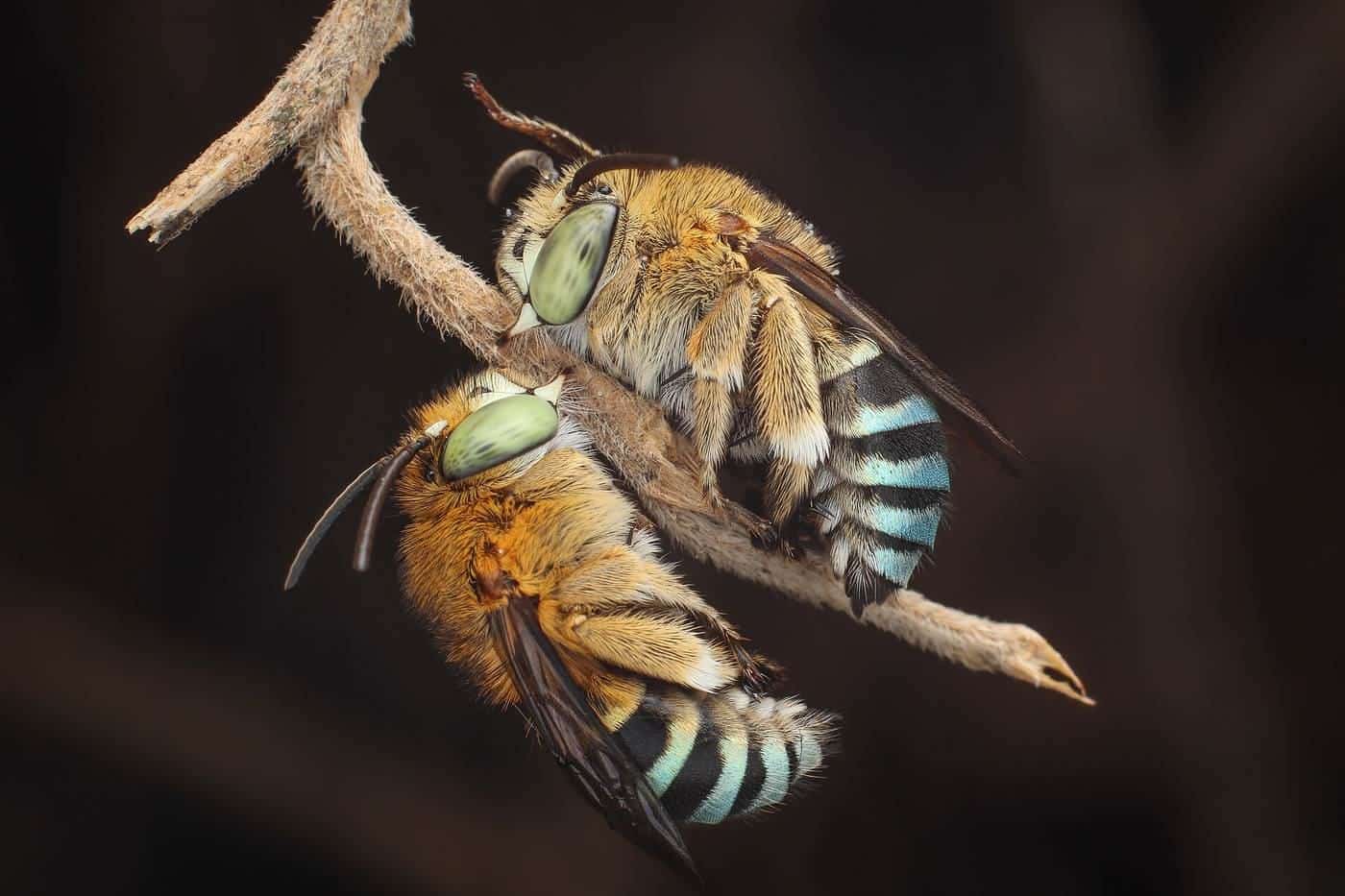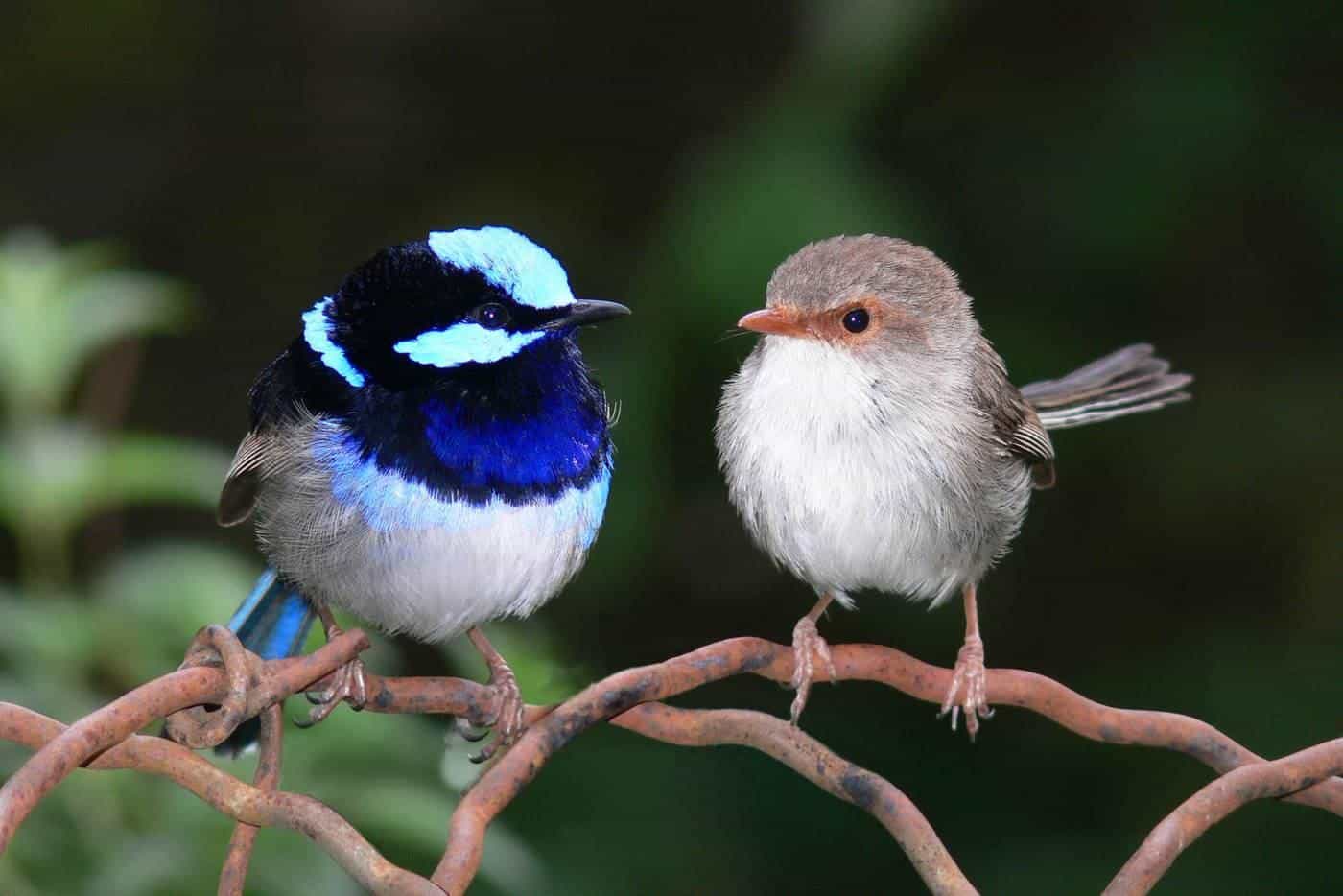
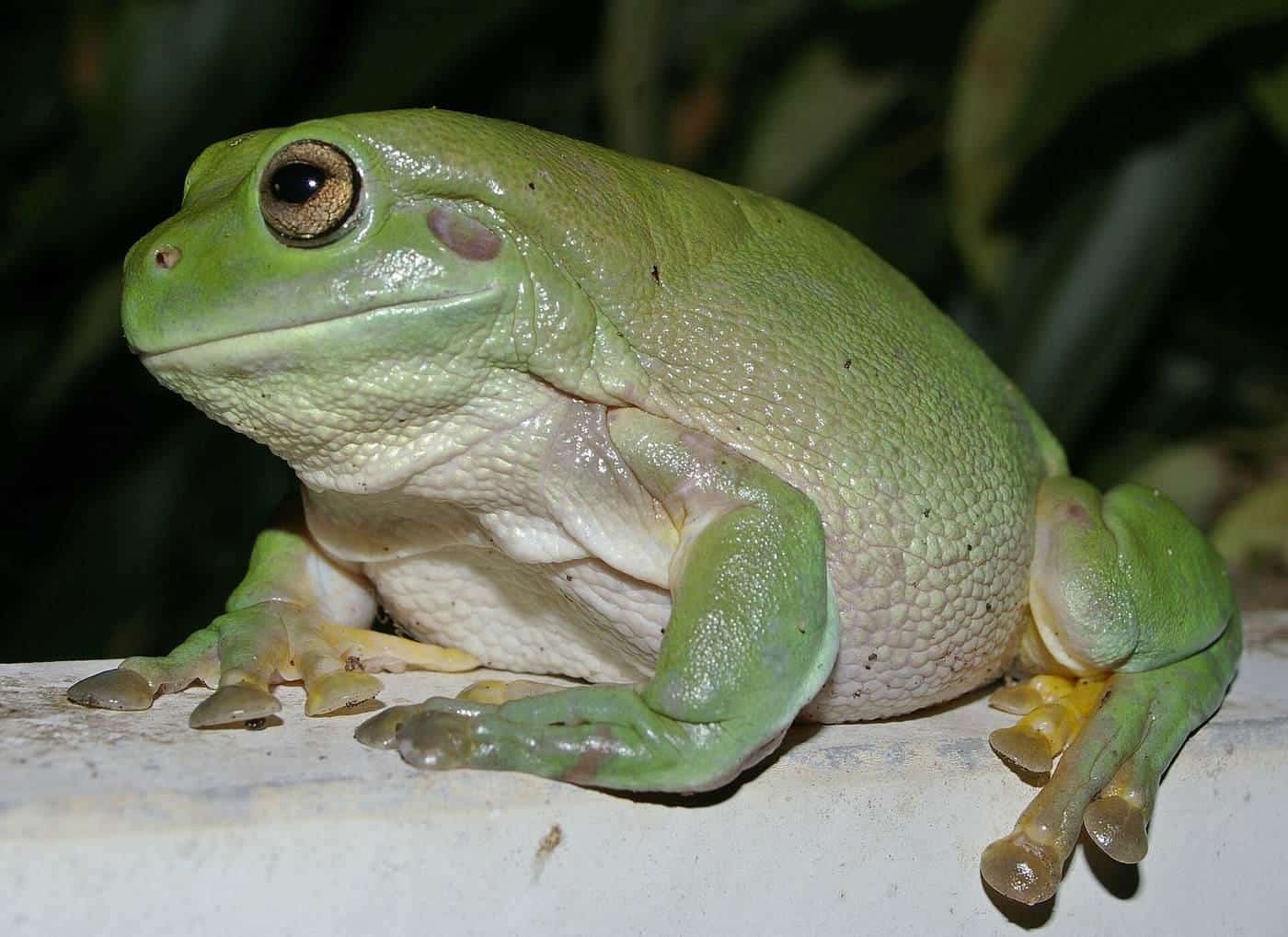
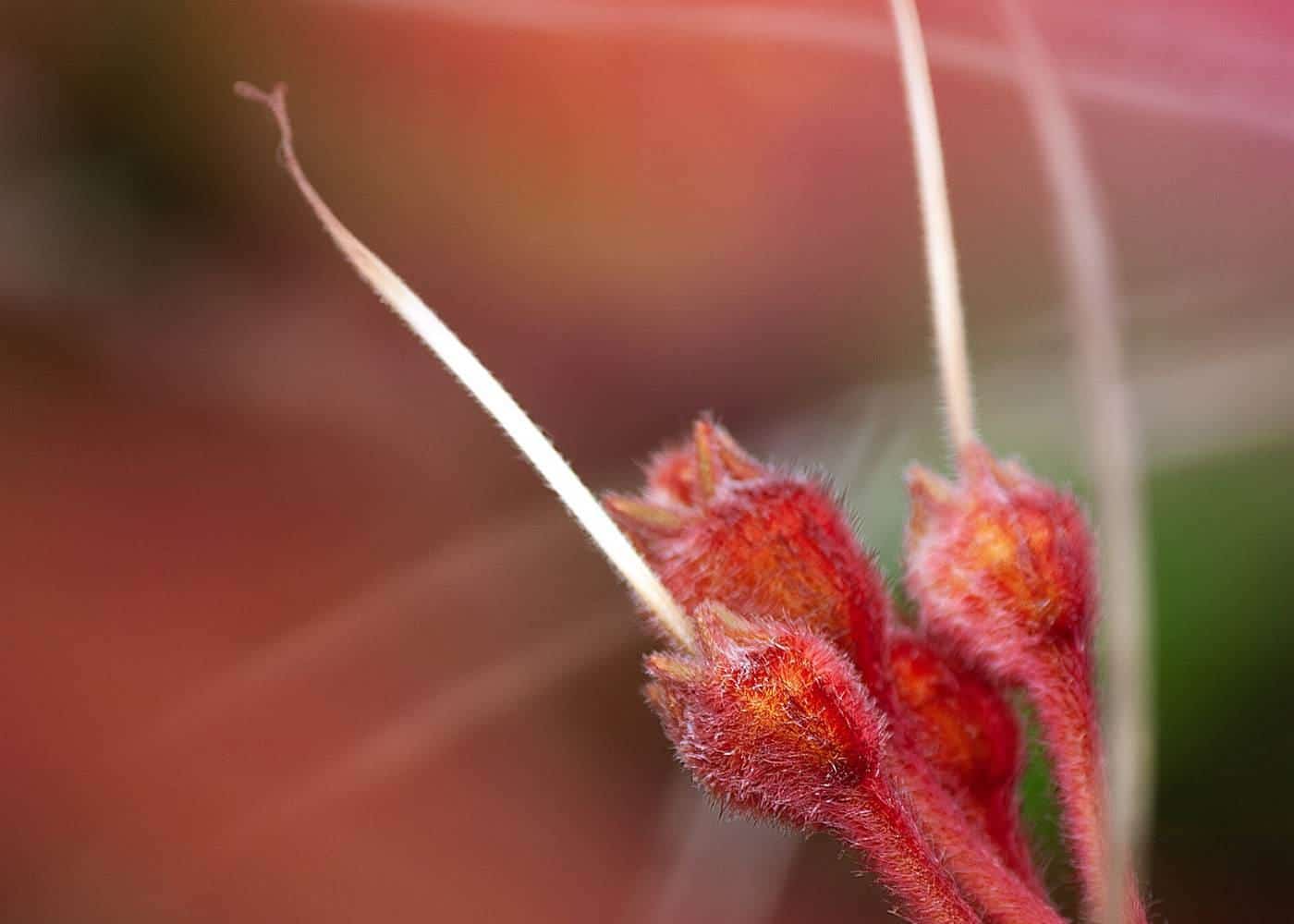
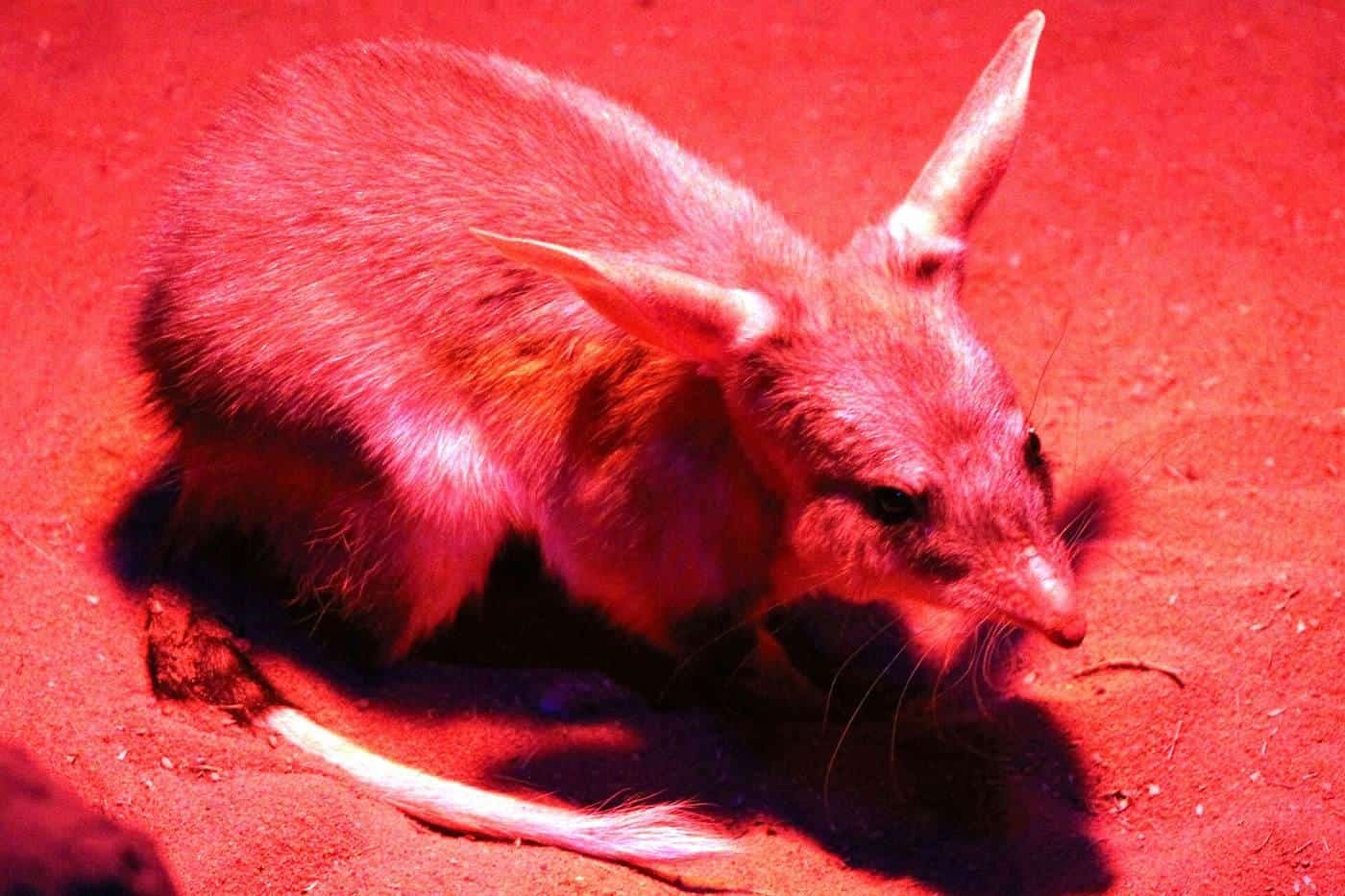
Australia's wildlife is unlike anywhere else on Earth. Fairywrens and honeyeaters, echidnas and platypus, tree frogs and skinks, banksias and kangaroo paws: a remarkable share of the species here live nowhere else. This site brings together independent, plain-language guides to understanding Australian biodiversity and helping it, at home and in your community, with expert sources on every page.
Explore the guides
- Understanding What biodiversity is, endemic species, threatened species and invasive species.
- At home Wildlife-friendly gardens, native bees, frog ponds, and pets and wildlife.
- Get involved Citizen science, helping injured wildlife, wildlife photography ethics and everyday actions.
Popular guides
- What is biodiversity?
- Wildlife-friendly gardens
- Australian native bees
- Helping injured wildlife
- Citizen science
A continent of unique life
The Australia State of the Environment 2021 report estimates that Australia supports 600,000 to 700,000 native species. It says about 85% of plant species are endemic, Australia is home to half of the world's marsupials, and around 93% of native frogs are found nowhere else. It also estimates that around 70% of Australian species have yet to be discovered and named, so there's still plenty to learn.
Under pressure
The same report identifies habitat loss, invasive species, climate change, altered fire regimes, disease and pollution as major pressures. It lists 1,918 species in national threatened categories and notes that around 100 endemic species have been listed as extinct or extinct in the wild since 1788. The federal environment department says feral cats kill over 1.5 billion native mammals, birds, reptiles and frogs each year.
What you can do at home
Gardens and balconies can provide food, water and shelter. Plant local natives in layers, add shallow water, leave some leaf litter and logs, and go easy on chemicals. The Australian Museum says Australia has more than 1,500 native bee species, most of them solitary, and a few flowering plants and some bare soil can help them. A pond with shallow edges and no fish can attract frogs.
Pets and wildlife
The 2024 national threat abatement plan for feral cats says pet cats kill over 320 million native vertebrates each year. Keeping cats contained, with enrichment indoors or a catio, protects wildlife and cats alike.
Get involved
Citizen science lets anyone help. BirdLife Australia's Aussie Bird Count runs from 19 to 25 October 2026: spend 20 minutes in one spot counting birds. The Australian Museum's FrogID app identifies frogs from calls recorded for at least 20 seconds. If you find injured wildlife, keep yourself safe and call a rescue group or vet; in NSW, WIRES runs a 24/7 line on 1300 094 737.
Lights out for wildlife
Artificial light at night can disrupt turtles, birds and nocturnal animals. The federal environment department's light pollution guidelines suggest using lights only where needed, pointing them down and choosing warm, low-intensity globes.
Try the habitat checker
Our free habitat checker asks about eight simple features of your garden or balcony, gives you a count and suggests three practical next steps. It runs entirely in your browser, and nothing you tick is sent anywhere.
About this site
This web address was once home to a personal wildlife film and photography blog, which later closed. Biodiversity is a new, independent site with original content and no connection to that blog or any previous operator. We aren't a government agency, museum, charity or rescue organisation, we don't sell products or recommend particular businesses, and we never invent statistics, prices, quotes or reviews. Our guides are general information, not veterinary or legal advice.
How we work
Every guide is written in our own words from expert and official sources, including the State of the Environment report, the federal environment department, the Australian Museum and other museums, wildlife rescue organisations and BirdLife Australia. We link to those sources at the end of each page and review guides regularly. Read our editorial policy for details, or contact us with corrections.
Acknowledging Country
We acknowledge the Traditional Custodians of the lands and waters across Australia, who have cared for Country and its plants and animals for tens of thousands of years, and pay our respects to Elders past and present.