Gardens, courtyards and balconies cover a large share of Australian towns and cities. Together they can form a patchwork of habitat that connects parks and bushland. You don't need a large block or a big budget: a few well-chosen plants, some water and places to shelter can make a real difference for birds, bees, butterflies, lizards and frogs. This guide covers the basics.
This guide is general information written in our own words, based on the sources listed at the end. Rules about wildlife, pets and plants vary between states, territories and councils, so check locally. We don't recommend particular businesses or products.
Start with what's around you
Before planting, look at what lives nearby. Which birds visit? Are there skinks on warm paths, frogs calling after rain or bees on flowers? Your local council, Landcare group or an indigenous plant nursery can tell you which plants are local to your area. Local species are adapted to your soils and climate and support local wildlife.
You can also search the Atlas of Living Australia for species recorded near your suburb, which gives a sense of what might visit.
Plant in layers
Bushland has layers: tall trees, mid-storey shrubs, groundcovers and leaf litter. Different animals use different layers. Small birds such as fairywrens and thornbills need dense, prickly shrubs to hide from larger birds and cats. Honeyeaters visit flowering shrubs. Lizards bask on rocks and shelter in groundcovers and logs.
Even a small garden can include several layers:
- a small tree or large shrub;
- dense mid-sized shrubs;
- tussock grasses and groundcovers;
- leaf litter, logs and rocks.
Flowers through the year
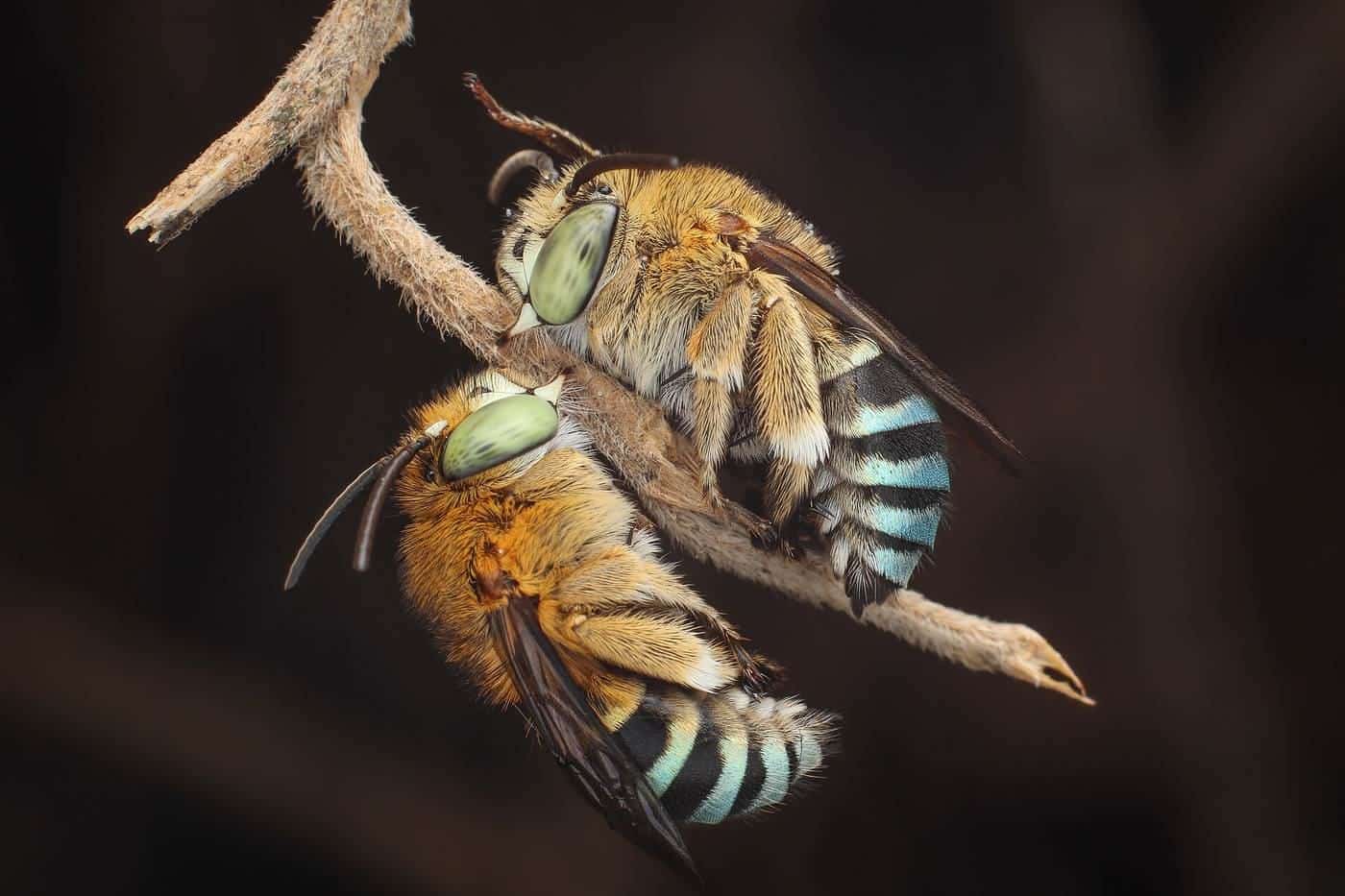
Aim for plants that flower in different seasons, so nectar and pollen are available most of the year. Mix flower shapes and colours: tubular flowers suit honeyeaters, open flowers suit many native bees, and daisies attract butterflies and hoverflies. See our native bees guide.
Be careful with big nectar-rich hybrids
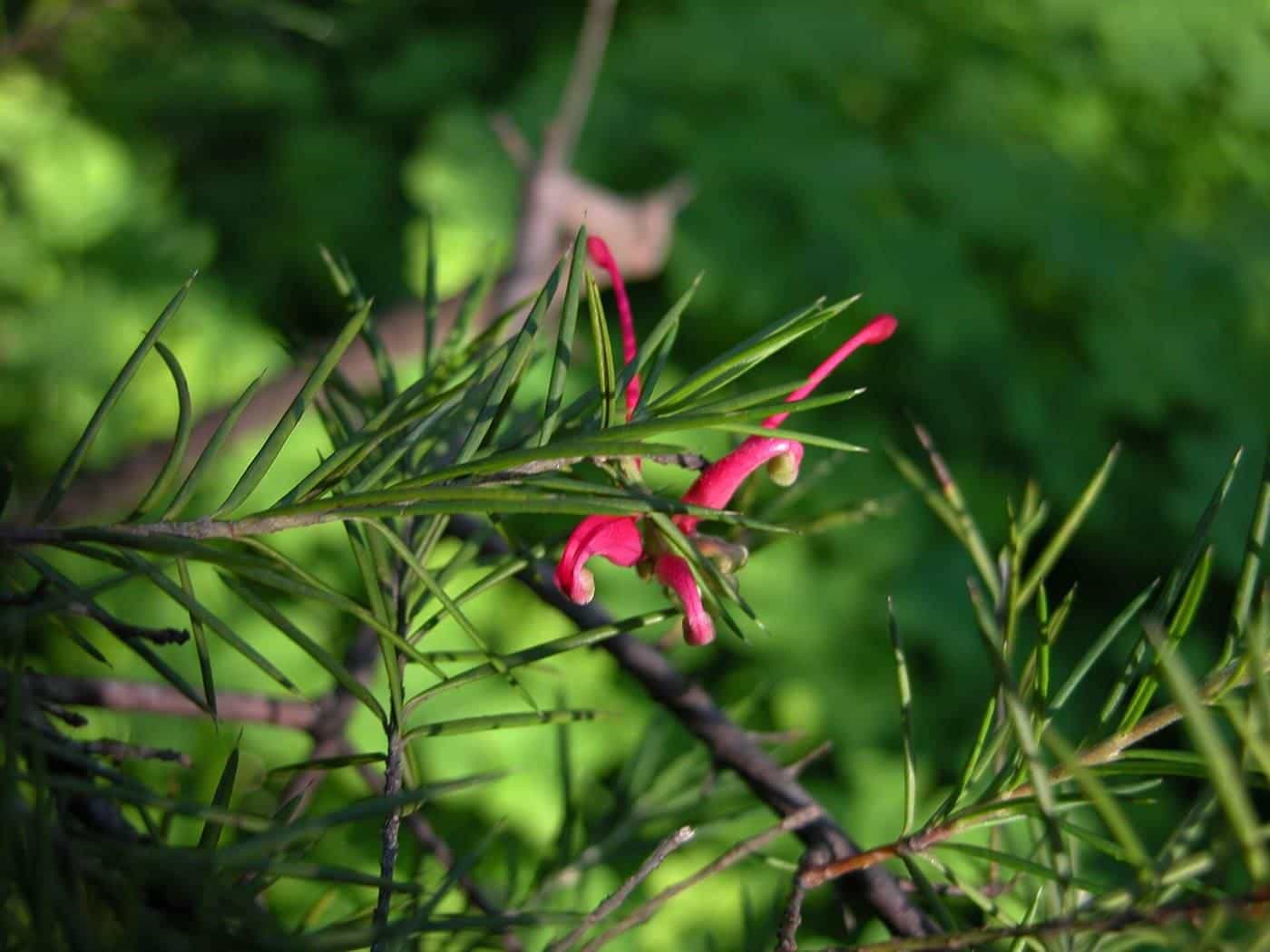
Some large-flowered grevillea hybrids are very attractive to bigger, aggressive honeyeaters, which can then chase smaller birds away. A mix of plants with smaller flowers and dense shelter gives small birds more of a chance. Local natives are generally the safest choice.
Water
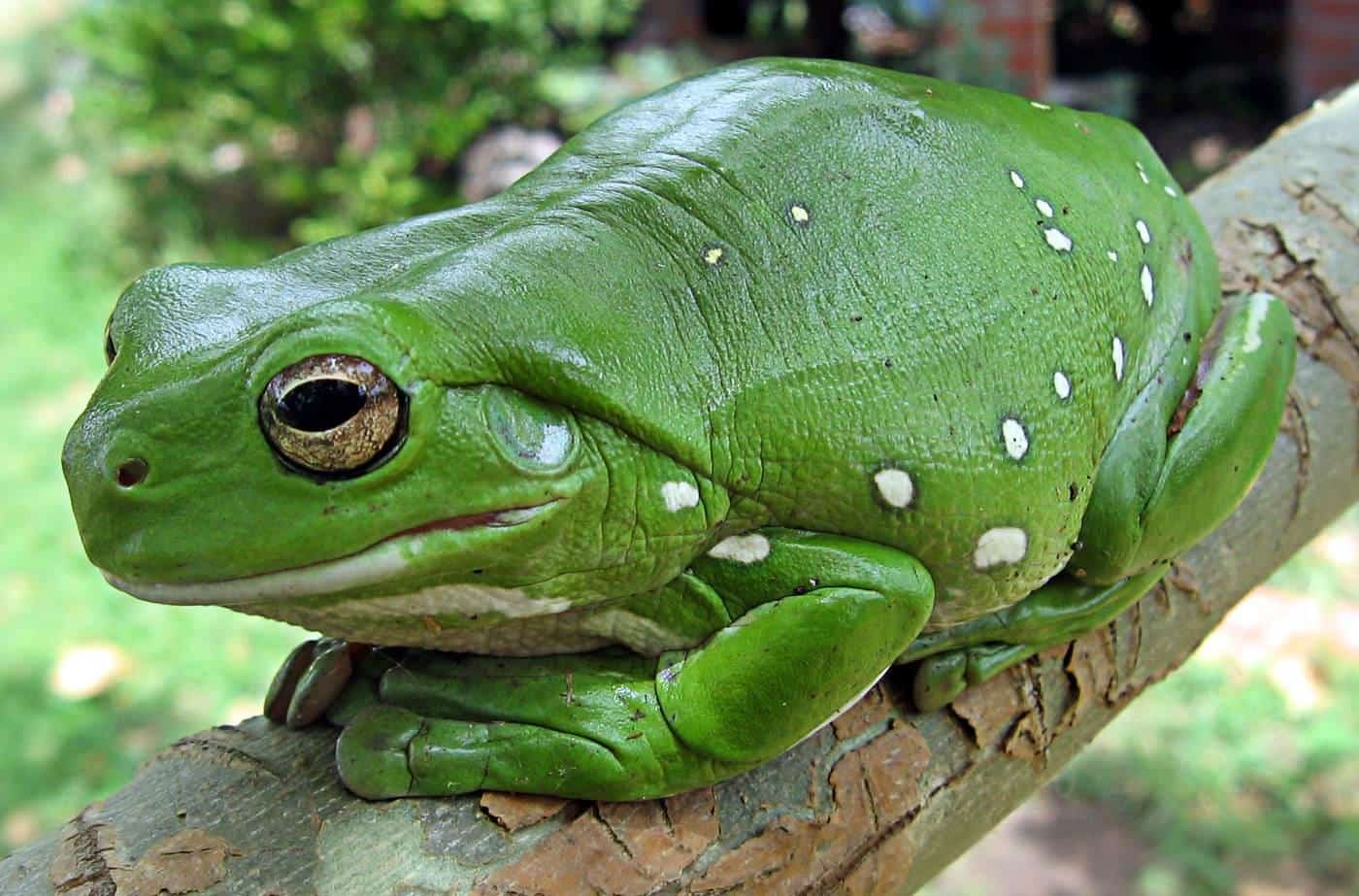
A shallow bird bath, placed near shrubs for quick escape but high enough that cats can't ambush birds, is valuable, especially in hot weather. Add a stone or stick so bees and insects can drink without drowning. Clean and refill it regularly. A small pond can attract frogs; see our frogs and ponds guide.
Shelter and nesting
- Dense shrubs give small birds safe places to rest and nest.
- Logs, rocks and leaf litter shelter lizards, beetles and other invertebrates.
- Nest boxes can help possums, gliders, birds and microbats where tree hollows are scarce. Design matters: box size, entrance size and placement need to suit the target species.
- Bee hotels made from drilled hardwood blocks can suit some solitary bees.
Go easy on chemicals
Pesticides and herbicides can harm insects, frogs, lizards and the birds that eat them. Snail baits can be dangerous to pets and wildlife. Try hand-weeding, mulch and encouraging predators such as birds and lizards. If you must use a product, read the label carefully and follow the instructions.
Leave some mess
Tidy gardens offer little habitat. Leaving some leaf litter, a pile of sticks or a dead branch (if safe) gives insects and lizards somewhere to live. Seed heads left on plants can feed birds.
Lights at night
Outdoor lighting can disrupt nocturnal animals and insects. Use lights only where needed, point them down, add motion sensors and choose warm, amber globes. The Department of Climate Change, Energy, the Environment and Water's light pollution guidelines recommend lights that are low intensity and warm in colour. See our everyday actions guide.
Pets and wildlife
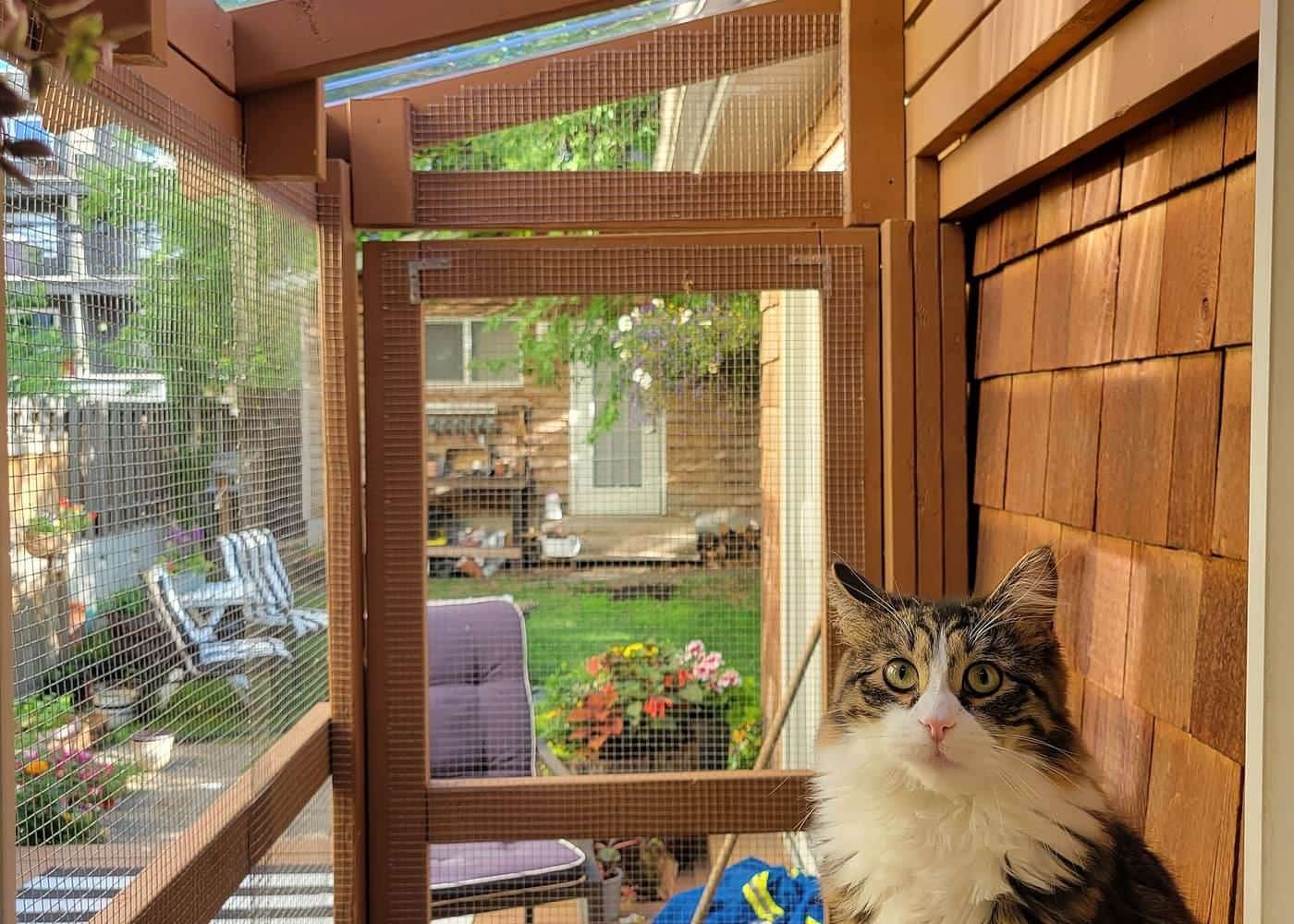
A garden full of birds isn't safe for them if a cat patrols it. Keep cats contained and dogs supervised. See our pets and wildlife guide.
Balconies and courtyards
Small spaces can still help. Pots of flowering natives, a shallow water dish and a few herbs left to flower can support bees and butterflies. Choose plants suited to wind and sun exposure.
Check your progress
Our habitat checker gives you a quick score and suggests next steps. Recording visitors on a citizen science app over time is a satisfying way to see your garden change.
Nest boxes done well
Nest boxes can help animals that depend on tree hollows, which can take a long time to form in trees. Boxes should suit a particular species, with the right internal size and entrance hole. Place them in shade, at a suitable height and away from where predators can easily reach. Check them occasionally from a distance, and be ready to manage pest species such as introduced birds or bees if they move in. Local wildlife groups often have designs suited to your area.
Lawns and paths
A smaller lawn leaves more room for habitat. Replacing part of a lawn with native grasses, groundcovers or a garden bed can support insects and lizards. Gravel paths and rock piles create warm basking spots. If you keep a lawn, letting some areas grow a little longer, and mowing less often, can help insects.
Working with neighbours
Habitat works best when it's connected. If neighbours also plant local natives, birds and insects can move along a corridor of gardens between parks and bushland. Sharing plant cuttings, seeds and ideas, or joining a local habitat program, can link gardens across a street.
Try the habitat checker
Our free habitat checker asks about eight simple features of your garden or balcony, such as local plants, water, dense shrubs, leaf litter and night lighting. It gives you a quick count and three practical next steps. It runs entirely in your browser, and nothing you tick is sent anywhere. It's a simple way to turn the ideas in this guide into action at home.
Where our information comes from
Factual statements in our guides are based on expert and official sources, including the Australia State of the Environment 2021 report and the Department of Climate Change, Energy, the Environment and Water; the Australian Museum, Western Australian Museum and Museums Victoria; wildlife rescue organisations such as WIRES; BirdLife Australia; and the Atlas of Living Australia. We link to each source at the end of the page and rewrite everything in our own words.
Local rules vary
Australia's states, territories and councils each have their own rules about native wildlife, pets, weeds, pest control and development. A practice that's fine in one area may need a permit, or be banned, in another. When a guide mentions rules, treat it as a prompt to check your own state environment agency and council website. If in doubt, ask them directly before acting.
Acknowledging Country
Australia's biodiversity has been cared for by Aboriginal and Torres Strait Islander peoples for tens of thousands of years. We acknowledge the Traditional Custodians of the lands and waters across Australia and pay our respects to Elders past and present. Many local councils and land councils share information about the Traditional Owners of your area, and some run programs connecting people with Country.
Learn with others
You don't have to learn alone. Field naturalist clubs, birding groups, Landcare and bushcare groups, frog societies and native plant societies run walks, talks and working bees across Australia. Libraries and museums often host free events. Joining a group is one of the fastest ways to learn identification skills and meet people who care about local wildlife.
Small spaces still count
Not everyone has a garden. Renters and apartment dwellers can still help with pots of flowering natives, a shallow water dish on a balcony, warmer outdoor lights and a contained cat. Community gardens, school grounds and local parks offer further chances to plant habitat and record wildlife. Every patch of habitat, however small, adds to the network.
Key points
- Choose local native plants suited to your area.
- Plant in layers with flowers across the seasons.
- Add water, shelter and some leaf litter; go easy on chemicals.
- Keep cats contained and lights warm and low.
Frequently asked questions
What plants attract native birds?
Local native shrubs that flower at different times, plus dense shrubs for shelter. Your council or local nursery can suggest species.
Should I put out a bird bath?
A shallow bath placed near cover but out of reach of cats is helpful, especially in hot weather. Clean it regularly.
Do I need a big garden?
No. Balconies and courtyards can support pollinators with pots of flowering natives.
Should I feed wild birds?
Planting food plants is generally better than feeding. Check guidance from your state wildlife agency.
Sources and further reading
Facts on this page were checked against these primary and official sources. Conditions change — confirm before you travel or buy.
- Atlas of Living Australia — Atlas of Living Australia
- From A to Bee: Australian bees need our help — Museums Victoria
- Light pollution — Department of Climate Change, Energy, the Environment and Water