Pets are part of the family for millions of Australians, and responsible pet ownership can be good for wildlife too. Cats and dogs are natural hunters and chasers, and even well-fed pets can harm native animals. This guide explains the issue and offers practical ways to keep both pets and wildlife safe.
This guide is general information written in our own words, based on the sources listed at the end. Rules about wildlife, pets and plants vary between states, territories and councils, so check locally. We don't recommend particular businesses or products.
The impact of cats
The Department of Climate Change, Energy, the Environment and Water explains that feral cats kill over 1.5 billion native mammals, birds, reptiles and frogs each year. Pet cats also hunt: the 2024 national threat abatement plan for feral cats says pet cats kill over 320 million native vertebrates each year. Even cats that are well fed hunt, and many prey are killed without being brought home, so owners often underestimate the impact.
Containment helps cats too
Keeping cats contained protects wildlife and can protect cats from cars, fights, disease and getting lost. Options include:
- Indoors with enrichment: scratching posts, climbing towers, window perches, toys and play sessions.
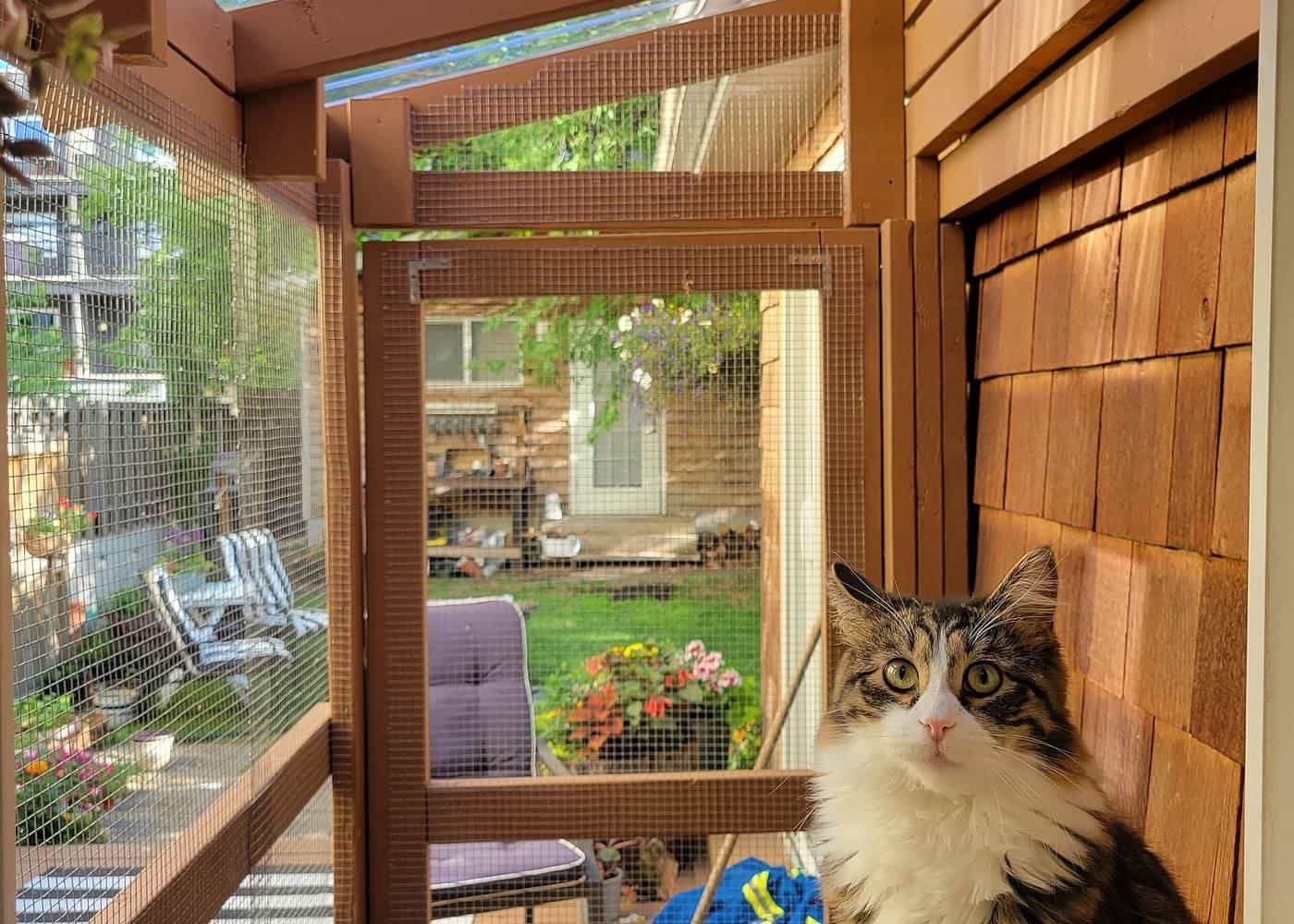
- Catios: enclosed outdoor areas, from window boxes to large enclosures, letting cats enjoy fresh air safely.
- Cat-proof fencing: fence attachments that stop cats climbing out.
- Supervised outdoor time: on a harness and lead, if your cat accepts it.
Making the switch
Moving an outdoor cat inside takes patience. Start with night-time containment, as many native animals are active at dusk and night. Gradually increase indoor time, add enrichment and talk to your vet about your cat's needs. Kittens raised indoors often adjust easily.
Check your local rules
Cat containment rules vary across Australia. Some councils require cats to be contained at all times or at night, and some have registration and desexing rules. Check your council's website.
Desexing and identification
Desexing helps prevent unwanted litters that may become strays or feral cats. Microchipping and registration help lost pets get home. Never abandon cats; contact a shelter or rescue group if you can't keep one.
Bells and collars
Bells and similar devices are sometimes suggested to warn wildlife, but containment is the most reliable way to stop cats hunting.
Dogs and wildlife
Dogs can chase, injure or stress wildlife, including koalas, wallabies, echidnas, lizards and ground-nesting birds. Tips:
- Keep dogs on leads in bushland and on beaches where required, and obey signs.
- Keep dogs inside or in a secure yard at night in areas with wildlife.
- Train recall and "leave it" commands.
- Be extra careful during breeding seasons, such as when shorebirds nest on beaches.
Other pets
Never release unwanted pets, including fish, turtles, rabbits and birds, into the wild. They can become pests or spread disease. Rehome them responsibly.
If your pet catches an animal
If your pet catches a native animal, contain your pet and gently place the animal in a ventilated box in a dark, quiet place. Animals caught by cats need urgent vet assessment, because bacteria from cat bites and scratches can be deadly to wildlife, even if no wound is visible. Contact a wildlife rescue group, such as WIRES on 1300 094 737 in NSW, or your local organisation. See helping injured wildlife.
Wildlife-friendly yards
Pair responsible pet ownership with habitat: dense shrubs, water out of reach of pets and safe shelters. See our wildlife-friendly gardens guide.
The bottom line
Containment, supervision and responsible routines protect native animals and keep pets safe. Small changes from pet owners add up across suburbs.
Building a simple catio
A catio can be as simple as a window box or as elaborate as a walk-in enclosure. Key features include secure mesh, a roof, shelter from sun and rain, climbing shelves, scratching posts and somewhere to hide. Some people connect a catio to the house through a cat flap. Kits are available, or you can build one. Check whether your council has rules about structures before building.
Enrichment ideas for indoor cats
Indoor cats stay happier with regular play, especially with toys that mimic hunting. Puzzle feeders, cat grass, window perches near bird-viewing spots, cardboard boxes and rotating toys keep cats engaged. Short daily play sessions can reduce boredom. Your vet can offer advice tailored to your cat.
Feeding pets outside
Pet food left outside can attract wildlife, including birds, possums and foxes, and can spread disease or create conflict. Feed pets indoors where possible, and don't leave food out overnight.
Try the habitat checker
Our free habitat checker asks about eight simple features of your garden or balcony, such as local plants, water, dense shrubs, leaf litter and night lighting. It gives you a quick count and three practical next steps. It runs entirely in your browser, and nothing you tick is sent anywhere. It's a simple way to turn the ideas in this guide into action at home.
Where our information comes from
Factual statements in our guides are based on expert and official sources, including the Australia State of the Environment 2021 report and the Department of Climate Change, Energy, the Environment and Water; the Australian Museum, Western Australian Museum and Museums Victoria; wildlife rescue organisations such as WIRES; BirdLife Australia; and the Atlas of Living Australia. We link to each source at the end of the page and rewrite everything in our own words.
Local rules vary
Australia's states, territories and councils each have their own rules about native wildlife, pets, weeds, pest control and development. A practice that's fine in one area may need a permit, or be banned, in another. When a guide mentions rules, treat it as a prompt to check your own state environment agency and council website. If in doubt, ask them directly before acting.
Acknowledging Country
Australia's biodiversity has been cared for by Aboriginal and Torres Strait Islander peoples for tens of thousands of years. We acknowledge the Traditional Custodians of the lands and waters across Australia and pay our respects to Elders past and present. Many local councils and land councils share information about the Traditional Owners of your area, and some run programs connecting people with Country.
Learn with others
You don't have to learn alone. Field naturalist clubs, birding groups, Landcare and bushcare groups, frog societies and native plant societies run walks, talks and working bees across Australia. Libraries and museums often host free events. Joining a group is one of the fastest ways to learn identification skills and meet people who care about local wildlife.
Small spaces still count
Not everyone has a garden. Renters and apartment dwellers can still help with pots of flowering natives, a shallow water dish on a balcony, warmer outdoor lights and a contained cat. Community gardens, school grounds and local parks offer further chances to plant habitat and record wildlife. Every patch of habitat, however small, adds to the network.
Tell us what you think
We review our guides regularly against their sources. If you notice something out of date, have a question we haven't answered or spot an error, please let us know through our contact page. We read every message and correct mistakes promptly.
A quick checklist
If you only remember a few things from our guides, make them these: plant local natives in layers; provide clean, shallow water; leave some leaf litter and logs; keep cats contained and dogs supervised; use warm, shielded outdoor lights only when needed; avoid garden chemicals; never move or release animals; and record what you see. Small, consistent actions add up across a neighbourhood.
Watching through the seasons
Wildlife changes with the seasons. Spring brings nesting birds, frog choruses and flowering shrubs; summer brings insects, lizards and heat stress for some animals; autumn brings migrating birds and seed-eating visitors; winter can bring flowering eucalypts, banksias and correas that feed honeyeaters. Keeping simple notes or photos through the year helps you notice patterns and plan your garden.
Key points
- Pet cats kill over 320 million native vertebrates a year, per the 2024 national plan.
- Containment, catios and enrichment protect wildlife and cats.
- Keep dogs on leads in bushland and check local rules.
- Animals caught by cats need urgent vet care.
Frequently asked questions
How many animals do pet cats kill?
The national threat abatement plan for feral cats (2024) says pet cats kill over 320 million native vertebrates a year.
Is it cruel to keep a cat inside?
Many cats live happy lives indoors or with a catio when given enrichment. Ask your vet for advice.
Do I have to keep my cat contained?
Rules vary by council and state. Check your council's rules on cat containment and curfews.
Should dogs be on leads in bushland?
Follow park rules. Many reserves require leads or ban dogs to protect wildlife.
Sources and further reading
Facts on this page were checked against these primary and official sources. Conditions change — confirm before you travel or buy.
- Feral cats — Department of Climate Change, Energy, the Environment and Water
- Biodiversity: overview — Australia State of the Environment 2021
- Wildlife rescue information — WIRES