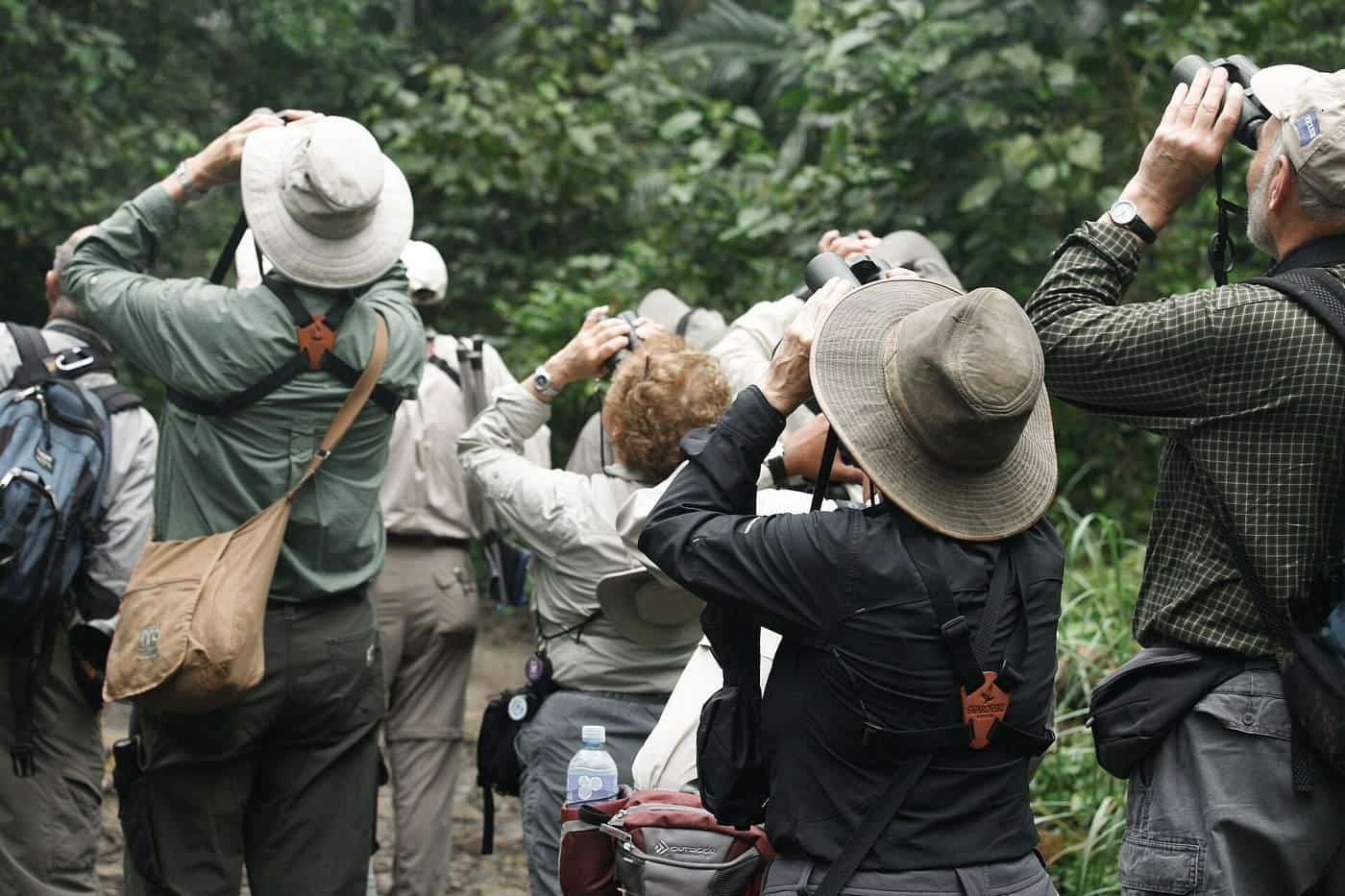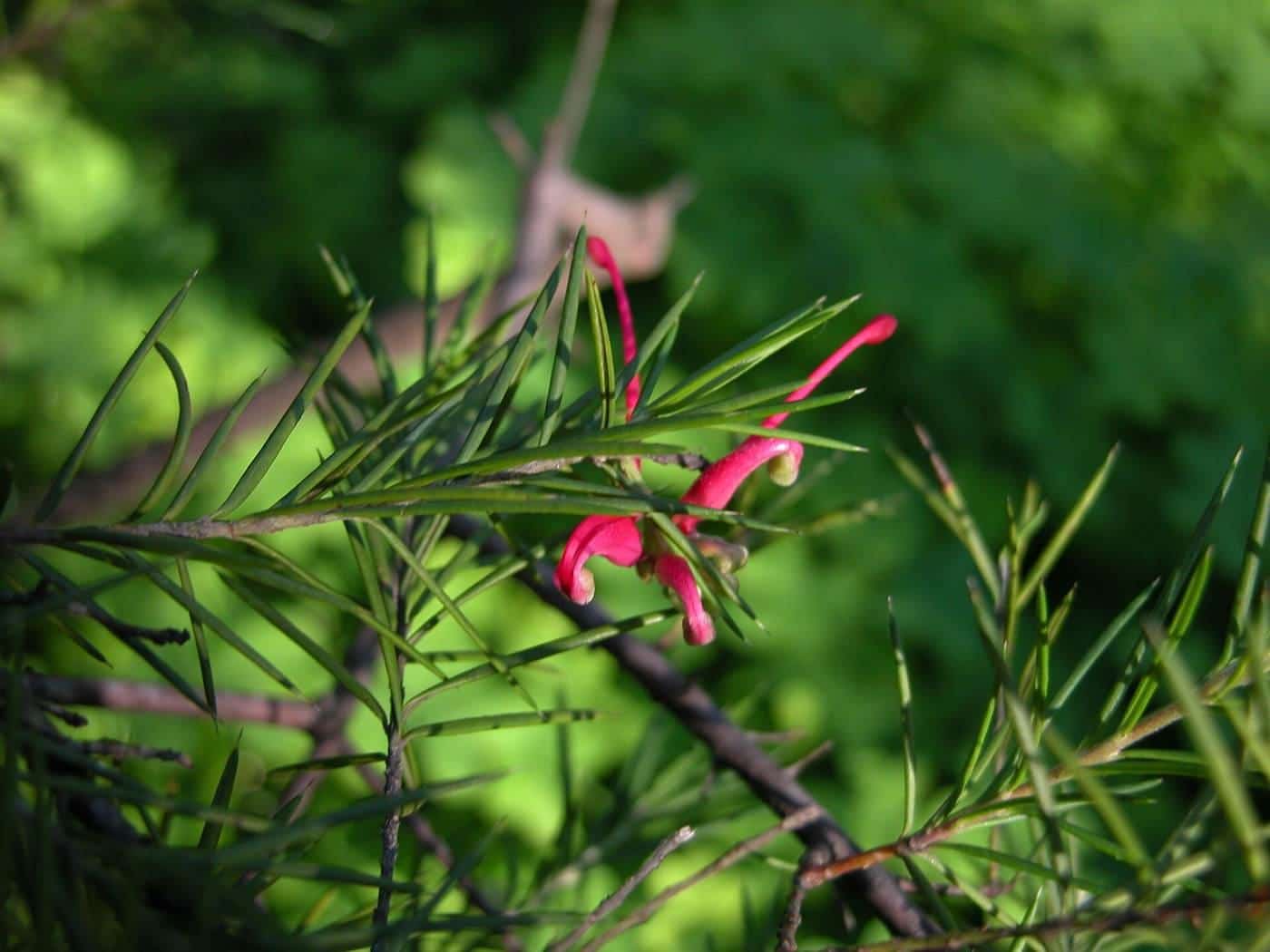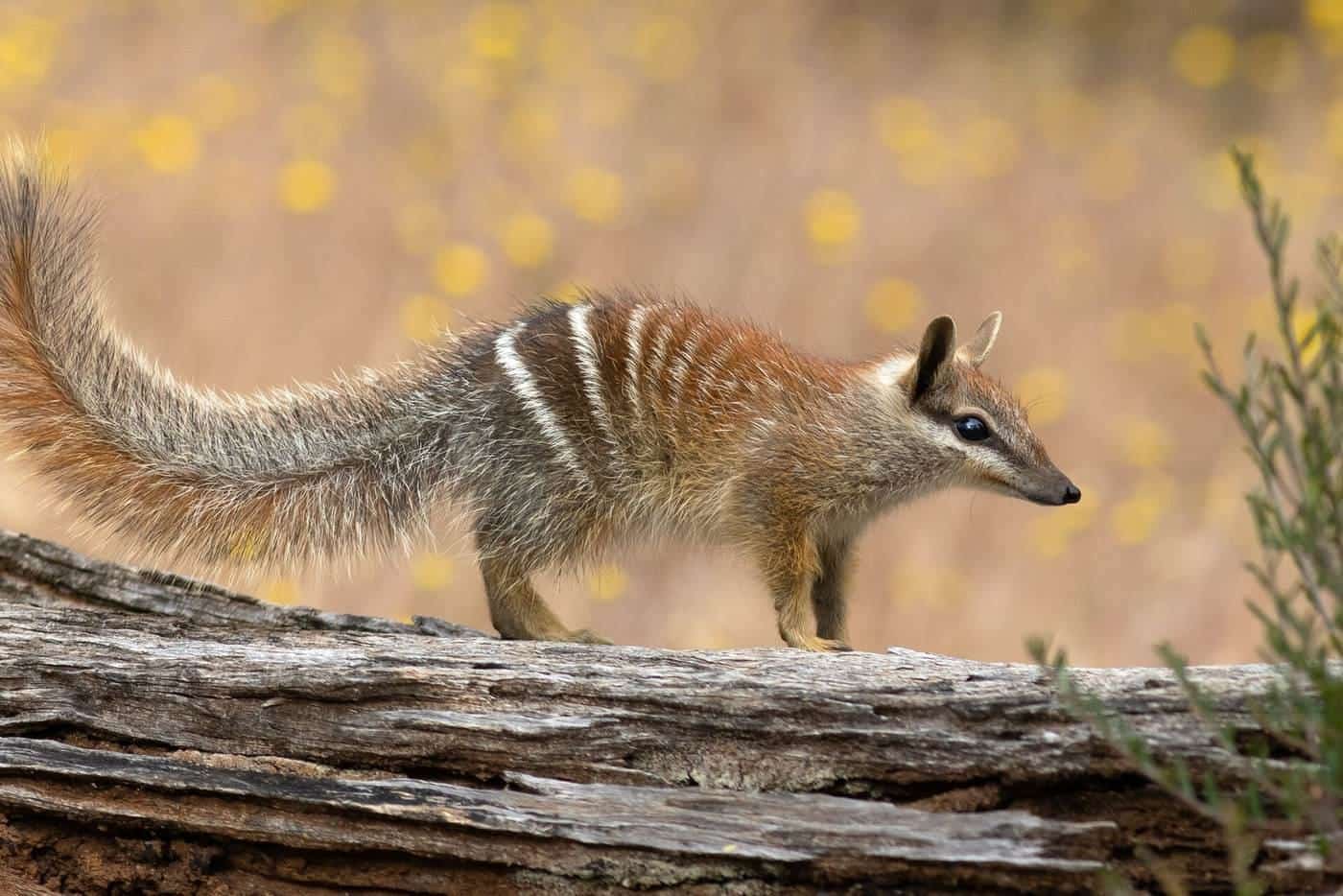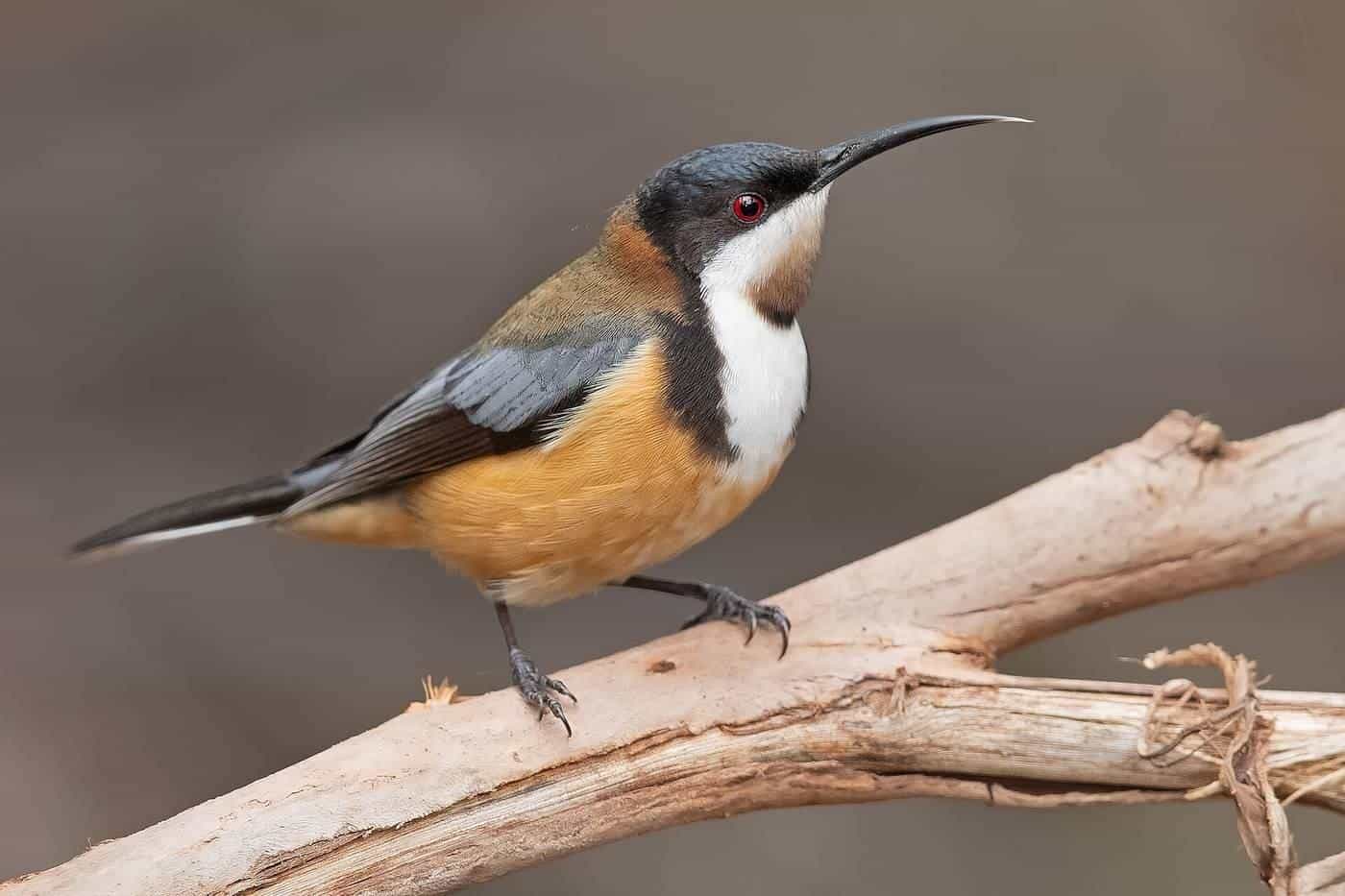
Photographing wildlife is a wonderful way to connect with nature, and photos can contribute to science. But the animal's welfare always comes first. Disturbance can make animals abandon nests, waste energy they need to survive or move into danger. This guide sets out practical principles for ethical wildlife photography in Australia.
This guide is general information written in our own words, based on the sources listed at the end. Rules about wildlife, pets and plants vary between states, territories and councils, so check locally. We don't recommend particular businesses or products.
The golden rule
If an animal changes its behaviour because of you, you're too close. Signs include alarm calls, freezing, staring at you, moving away, or a parent leaving a nest. Back off slowly and give it space.
Keep your distance
- Use a longer lens rather than moving closer.
- Approach slowly and indirectly, never straight at an animal.
- Let animals approach you if they choose, and stay still.
- Follow legal approach distances where they apply, such as for whales, dolphins and seals. Rules vary by state.
Nests and young
Nesting birds and young animals are especially vulnerable. Don't move vegetation to get a clearer view of a nest; it can expose eggs and chicks to predators and weather. Don't linger near nests or burrows. For beach-nesting shorebirds, stay out of fenced or signed areas.
No baiting or feeding
Baiting animals with food to get photos can make them dependent on people, cause disease, change behaviour and draw them into danger. Many parks ban feeding wildlife. Photograph animals behaving naturally.
Call playback
Playing recorded calls to draw birds out can stress them, especially during breeding season, when birds may think a rival has entered their territory. Many birding organisations discourage playback, particularly for threatened species. Avoid it in sensitive areas.
Flash and lights
Bright flashes and spotlights can startle and disorient nocturnal animals. Avoid flash on nocturnal animals and nesting birds, keep spotlighting brief, and use red or dim light where appropriate. Light at night also affects wildlife more broadly; see our everyday actions guide.
Drones
Drones can disturb birds and other wildlife, and their use is regulated. Many national parks restrict or ban drones. Check rules from park authorities and aviation regulations before flying.
Don't handle wildlife
Don't pick up, move or pose animals for photos. Handling stresses them and can injure them or you. Some animals, such as bats and snakes, should never be handled except by trained people.
Sharing locations
Sharing exact locations of rare or sensitive species online can lead to crowds, disturbance, habitat damage or even illegal collection. Consider sharing only general locations, delaying posts until after breeding season, or using the location obscuring tools on citizen science platforms.
Respect places and people
- Stay on tracks and respect closures.
- Respect private property and ask permission.
- Respect cultural sites and the wishes of Traditional Owners.
- Take your rubbish home.
- Leave no trace.
Honest captions
Be honest about how a photo was taken. Label captive animals and baited shots as such. Honesty builds trust and discourages harmful practices.
Photos for science
Wildlife photos can be valuable records. Upload clear photos with dates and locations to iNaturalist or similar platforms, and they may contribute to the Atlas of Living Australia. See our citizen science guide.
Your garden is a great studio
Some of the best and least disruptive wildlife photography happens at home. A wildlife-friendly garden brings birds, insects and lizards to you; see our wildlife-friendly gardens guide. Patience and observation usually beat chasing animals.
Seasons and sensitivity
Breeding seasons are the most sensitive times for many species. For birds in much of Australia, spring and early summer are busy nesting periods, but timing varies widely. Learn about the species you photograph and give extra space when they're nesting, raising young or migrating.
Spotlighting tips
Spotlighting to see nocturnal animals can be rewarding but should be done carefully. Use a dim light, avoid shining it directly into animals' eyes for long periods, keep groups small and quiet, and follow park rules. Red filters can reduce disturbance for some species.
Photographing in captivity
Wildlife parks and sanctuaries can be good places to practise photography and learn about animals. Be honest in captions that animals were photographed in captivity, and follow the venue's rules about flash and behaviour.
Try the habitat checker
Our free habitat checker asks about eight simple features of your garden or balcony, such as local plants, water, dense shrubs, leaf litter and night lighting. It gives you a quick count and three practical next steps. It runs entirely in your browser, and nothing you tick is sent anywhere. It's a simple way to turn the ideas in this guide into action at home.
Where our information comes from
Factual statements in our guides are based on expert and official sources, including the Australia State of the Environment 2021 report and the Department of Climate Change, Energy, the Environment and Water; the Australian Museum, Western Australian Museum and Museums Victoria; wildlife rescue organisations such as WIRES; BirdLife Australia; and the Atlas of Living Australia. We link to each source at the end of the page and rewrite everything in our own words.
Local rules vary
Australia's states, territories and councils each have their own rules about native wildlife, pets, weeds, pest control and development. A practice that's fine in one area may need a permit, or be banned, in another. When a guide mentions rules, treat it as a prompt to check your own state environment agency and council website. If in doubt, ask them directly before acting.
Acknowledging Country
Australia's biodiversity has been cared for by Aboriginal and Torres Strait Islander peoples for tens of thousands of years. We acknowledge the Traditional Custodians of the lands and waters across Australia and pay our respects to Elders past and present. Many local councils and land councils share information about the Traditional Owners of your area, and some run programs connecting people with Country.
Learn with others
You don't have to learn alone. Field naturalist clubs, birding groups, Landcare and bushcare groups, frog societies and native plant societies run walks, talks and working bees across Australia. Libraries and museums often host free events. Joining a group is one of the fastest ways to learn identification skills and meet people who care about local wildlife.
Small spaces still count
Not everyone has a garden. Renters and apartment dwellers can still help with pots of flowering natives, a shallow water dish on a balcony, warmer outdoor lights and a contained cat. Community gardens, school grounds and local parks offer further chances to plant habitat and record wildlife. Every patch of habitat, however small, adds to the network.
Tell us what you think
We review our guides regularly against their sources. If you notice something out of date, have a question we haven't answered or spot an error, please let us know through our contact page. We read every message and correct mistakes promptly.
A quick checklist
If you only remember a few things from our guides, make them these: plant local natives in layers; provide clean, shallow water; leave some leaf litter and logs; keep cats contained and dogs supervised; use warm, shielded outdoor lights only when needed; avoid garden chemicals; never move or release animals; and record what you see. Small, consistent actions add up across a neighbourhood.
Watching through the seasons
Wildlife changes with the seasons. Spring brings nesting birds, frog choruses and flowering shrubs; summer brings insects, lizards and heat stress for some animals; autumn brings migrating birds and seed-eating visitors; winter can bring flowering eucalypts, banksias and correas that feed honeyeaters. Keeping simple notes or photos through the year helps you notice patterns and plan your garden.
Key points
- If an animal changes behaviour, you're too close.
- Protect nests; avoid baiting, call playback and flash.
- Check drone and approach distance rules.
- Share sensitive locations carefully.
Frequently asked questions
How close can I get to wildlife?
As a rule, if an animal changes its behaviour because of you, you're too close. Follow any legal distances for whales and other species.
Is it OK to play bird calls to attract birds?
Call playback can stress birds and disrupt breeding. Many guides discourage it, especially for threatened species.
Can I use flash on animals?
Avoid flash on nocturnal animals and nesting birds; it can startle and disorient them.
Should I share locations of rare species?
Be careful. Sharing exact locations can lead to disturbance or collection.
Sources and further reading
Facts on this page were checked against these primary and official sources. Conditions change — confirm before you travel or buy.
- iNaturalist — iNaturalist
- Light pollution — Department of Climate Change, Energy, the Environment and Water
- Atlas of Living Australia — Atlas of Living Australia