Biodiversity can feel like a big, distant issue, but everyday choices at home and in your neighbourhood can help. The Australia State of the Environment 2021 report identifies pressures including habitat loss, invasive species, climate change and pollution. Many of these have local, household-sized parts. This guide gathers practical steps.
This guide is general information written in our own words, based on the sources listed at the end. Rules about wildlife, pets and plants vary between states, territories and councils, so check locally. We don't recommend particular businesses or products.
Turn down the lights
Artificial light at night can disrupt wildlife. The Department of Climate Change, Energy, the Environment and Water explains that light pollution can affect marine turtles, seabirds, migratory shorebirds and many nocturnal animals. Its National Light Pollution Guidelines for Wildlife suggest ways to reduce impacts, such as:
- using lights only where and when needed;
- pointing lights down and shielding them;
- using motion sensors and timers;
- choosing low-intensity, warm-coloured (amber) lights;
- closing curtains to keep indoor light inside.
Keep pets wildlife-safe
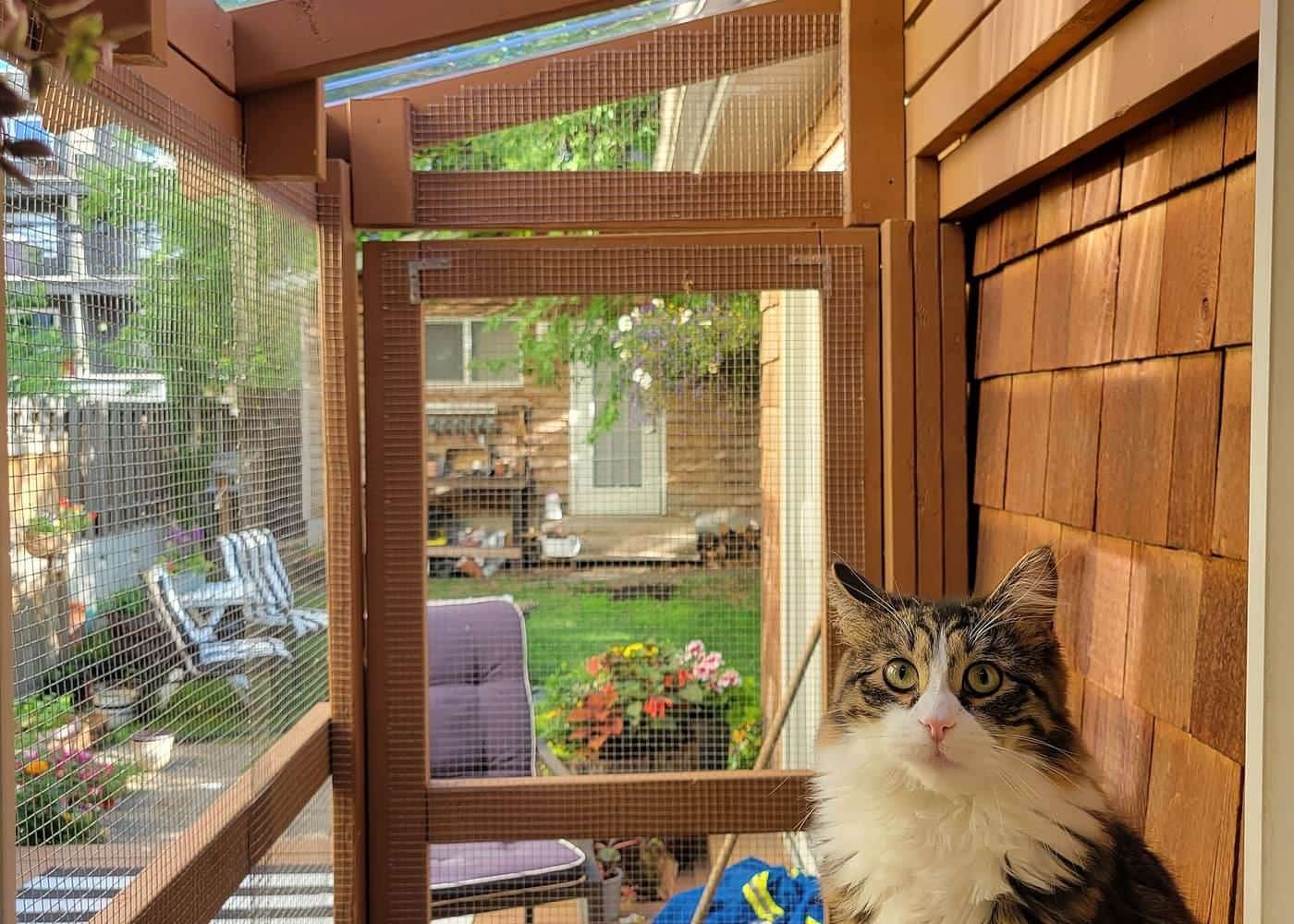
Keep cats contained, especially at night, and keep dogs on leads in bushland where required. See our pets and wildlife guide.
Plant local
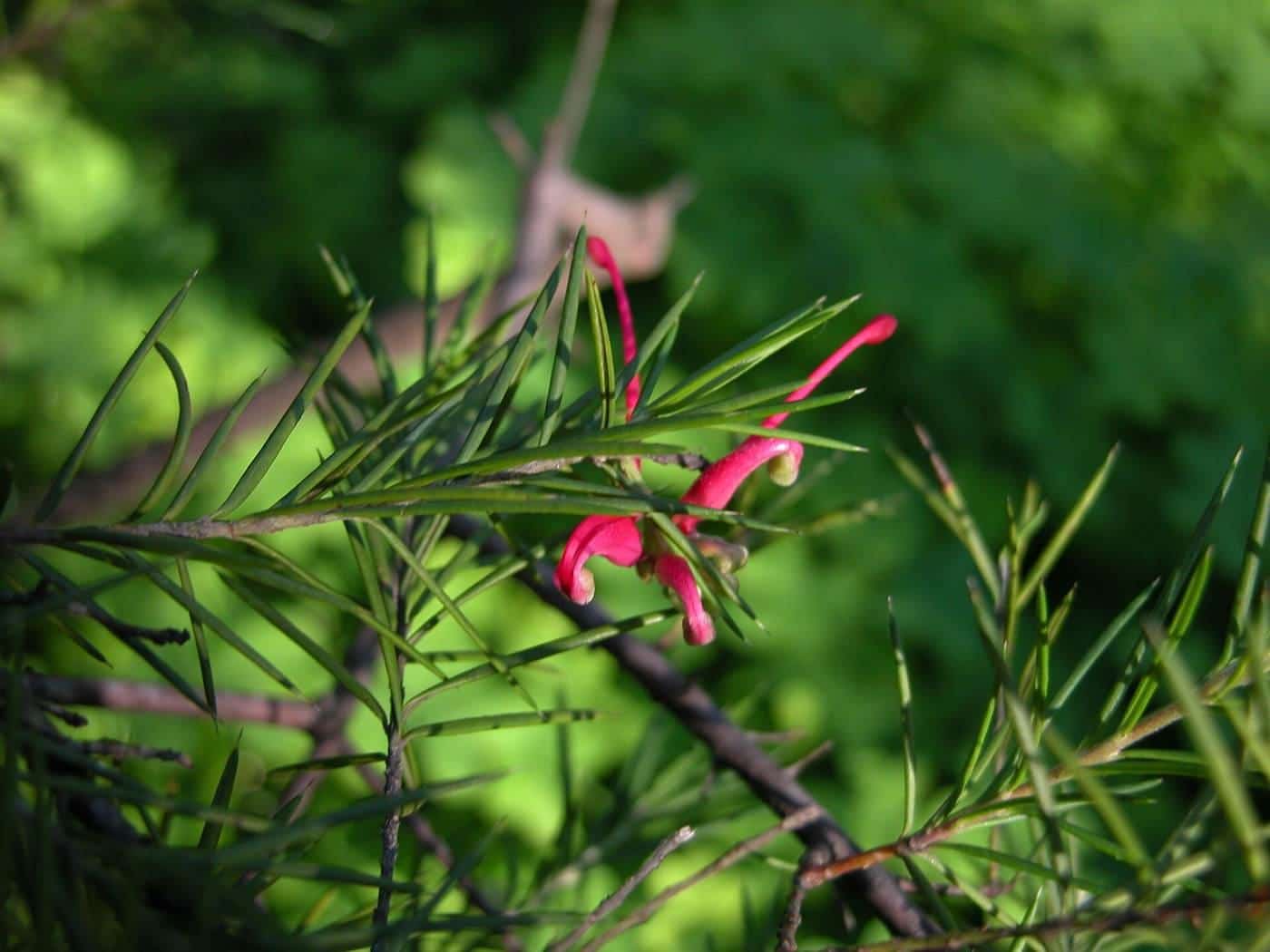
Local native plants support local insects, birds and other wildlife. Swap environmental weeds for natives, and leave some leaf litter and logs. See our wildlife-friendly gardens guide.
Reduce chemicals
Minimise pesticides, herbicides and snail baits, which can harm insects, frogs, lizards and birds. Never pour chemicals, paint or oil down stormwater drains, which flow to creeks and the sea.
Waste and litter
- Pick up litter, especially plastics, fishing line and balloons, which can entangle or be swallowed by wildlife.
- Cut up loops in plastic and elastic items.
- Use secure bins so animals can't get into rubbish.
- Never release balloons.
Water
- Keep stormwater clean: wash cars on lawns or at car washes, and pick up pet waste.
- Use water wisely, especially in drought.
- Plant buffers along creeks if you live near one.
Drive with care
Many native animals are active at dawn and dusk. Slow down in wildlife zones, watch for animals and know who to call if you hit one. See our helping injured wildlife guide.
Netting
Loose fruit tree netting can trap and injure flying-foxes, birds and snakes. Use wildlife-safe netting (fine mesh you can't poke your finger through) or exclusion bags, and secure it tightly.
Visit nature responsibly
- Stay on tracks and follow park rules.
- Clean boots and gear to avoid spreading weeds and diseases.
- Don't feed wildlife.
- Take rubbish home.
Support and join
- Join a bushcare, Landcare, Coastcare or friends-of-park group.
- Volunteer with wildlife rescue or citizen science projects; see our citizen science guide.
- Learn about the Traditional Owners of your area and their care for Country.
Climate change
Climate change is a major pressure on biodiversity. Reducing energy use, choosing renewable options where you can and supporting climate action all help.
Talk about it
Share what you've learnt with friends, neighbours, schools and councils. Ask your council about local biodiversity plans, street tree programs and cat rules. Local momentum can lead to bigger change.
Start where you are
You don't need to do everything at once. Pick one or two actions, such as warmer outdoor lights or a few native plants, and build from there. Our habitat checker suggests next steps based on what you already have.
In the kitchen and shopping
Some choices at the shops can also help. Buying seafood certified as sustainable, reducing food waste, choosing products with less packaging and avoiding single-use plastics all reduce pressures on ecosystems. Composting food scraps at home reduces landfill and builds healthy soil for your garden.
At school and work
Schools and workplaces can plant habitat, reduce lighting at night, install water-saving measures and join citizen science projects. Many councils and community groups offer support for school gardens and workplace volunteering days.
Holidays and travel
When travelling, choose responsible wildlife experiences that don't involve touching, feeding or posing with animals. Follow park rules, clean gear between sites and respect local communities and Traditional Owners.
Try the habitat checker
Our free habitat checker asks about eight simple features of your garden or balcony, such as local plants, water, dense shrubs, leaf litter and night lighting. It gives you a quick count and three practical next steps. It runs entirely in your browser, and nothing you tick is sent anywhere. It's a simple way to turn the ideas in this guide into action at home.
Where our information comes from
Factual statements in our guides are based on expert and official sources, including the Australia State of the Environment 2021 report and the Department of Climate Change, Energy, the Environment and Water; the Australian Museum, Western Australian Museum and Museums Victoria; wildlife rescue organisations such as WIRES; BirdLife Australia; and the Atlas of Living Australia. We link to each source at the end of the page and rewrite everything in our own words.
Local rules vary
Australia's states, territories and councils each have their own rules about native wildlife, pets, weeds, pest control and development. A practice that's fine in one area may need a permit, or be banned, in another. When a guide mentions rules, treat it as a prompt to check your own state environment agency and council website. If in doubt, ask them directly before acting.
Acknowledging Country
Australia's biodiversity has been cared for by Aboriginal and Torres Strait Islander peoples for tens of thousands of years. We acknowledge the Traditional Custodians of the lands and waters across Australia and pay our respects to Elders past and present. Many local councils and land councils share information about the Traditional Owners of your area, and some run programs connecting people with Country.
Learn with others
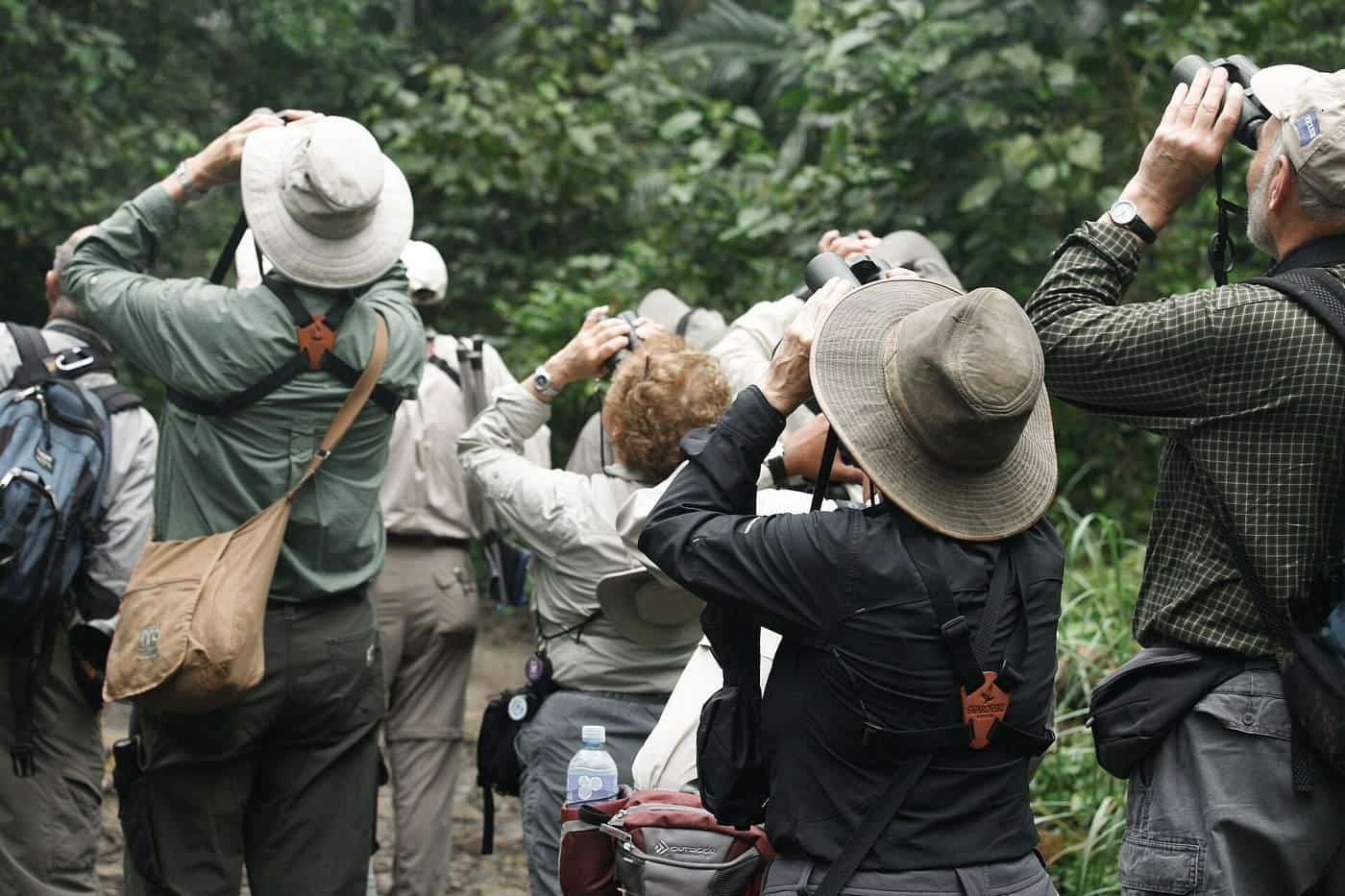
You don't have to learn alone. Field naturalist clubs, birding groups, Landcare and bushcare groups, frog societies and native plant societies run walks, talks and working bees across Australia. Libraries and museums often host free events. Joining a group is one of the fastest ways to learn identification skills and meet people who care about local wildlife.
Small spaces still count
Not everyone has a garden. Renters and apartment dwellers can still help with pots of flowering natives, a shallow water dish on a balcony, warmer outdoor lights and a contained cat. Community gardens, school grounds and local parks offer further chances to plant habitat and record wildlife. Every patch of habitat, however small, adds to the network.
Tell us what you think
We review our guides regularly against their sources. If you notice something out of date, have a question we haven't answered or spot an error, please let us know through our contact page. We read every message and correct mistakes promptly.
A quick checklist
If you only remember a few things from our guides, make them these: plant local natives in layers; provide clean, shallow water; leave some leaf litter and logs; keep cats contained and dogs supervised; use warm, shielded outdoor lights only when needed; avoid garden chemicals; never move or release animals; and record what you see. Small, consistent actions add up across a neighbourhood.
Watching through the seasons
Wildlife changes with the seasons. Spring brings nesting birds, frog choruses and flowering shrubs; summer brings insects, lizards and heat stress for some animals; autumn brings migrating birds and seed-eating visitors; winter can bring flowering eucalypts, banksias and correas that feed honeyeaters. Keeping simple notes or photos through the year helps you notice patterns and plan your garden.
Children and nature
Children are natural observers. Bug hunts, bird counts, frog listening nights and simple journals help them notice the life around them. Teach them to watch quietly, avoid touching wildlife, wash hands after gardening and leave things as they found them. Shared discoveries can spark a lifelong interest in nature.
Key points
- Reduce outdoor lighting and choose warm, shielded lights.
- Keep pets contained, plant local and cut chemicals.
- Deal with litter, stormwater and loose netting.
- Join a local group and start with one or two actions.
Frequently asked questions
What is the easiest thing I can do?
Keep cats contained, plant local natives and reduce outdoor lighting at night.
How does light pollution affect wildlife?
DCCEEW says artificial light can disrupt turtles, birds and nocturnal animals. Warm, low-intensity lights help.
Does joining a local group help?
Yes. Bushcare, Landcare and Coastcare groups restore habitat and welcome volunteers.
Do these actions really make a difference?
Individually small, they add up across many households and support larger conservation efforts.
Sources and further reading
Facts on this page were checked against these primary and official sources. Conditions change — confirm before you travel or buy.
- Light pollution — Department of Climate Change, Energy, the Environment and Water
- National Light Pollution Guidelines for Wildlife — Department of Climate Change, Energy, the Environment and Water
- Feral cats — Department of Climate Change, Energy, the Environment and Water
- Biodiversity: overview — Australia State of the Environment 2021